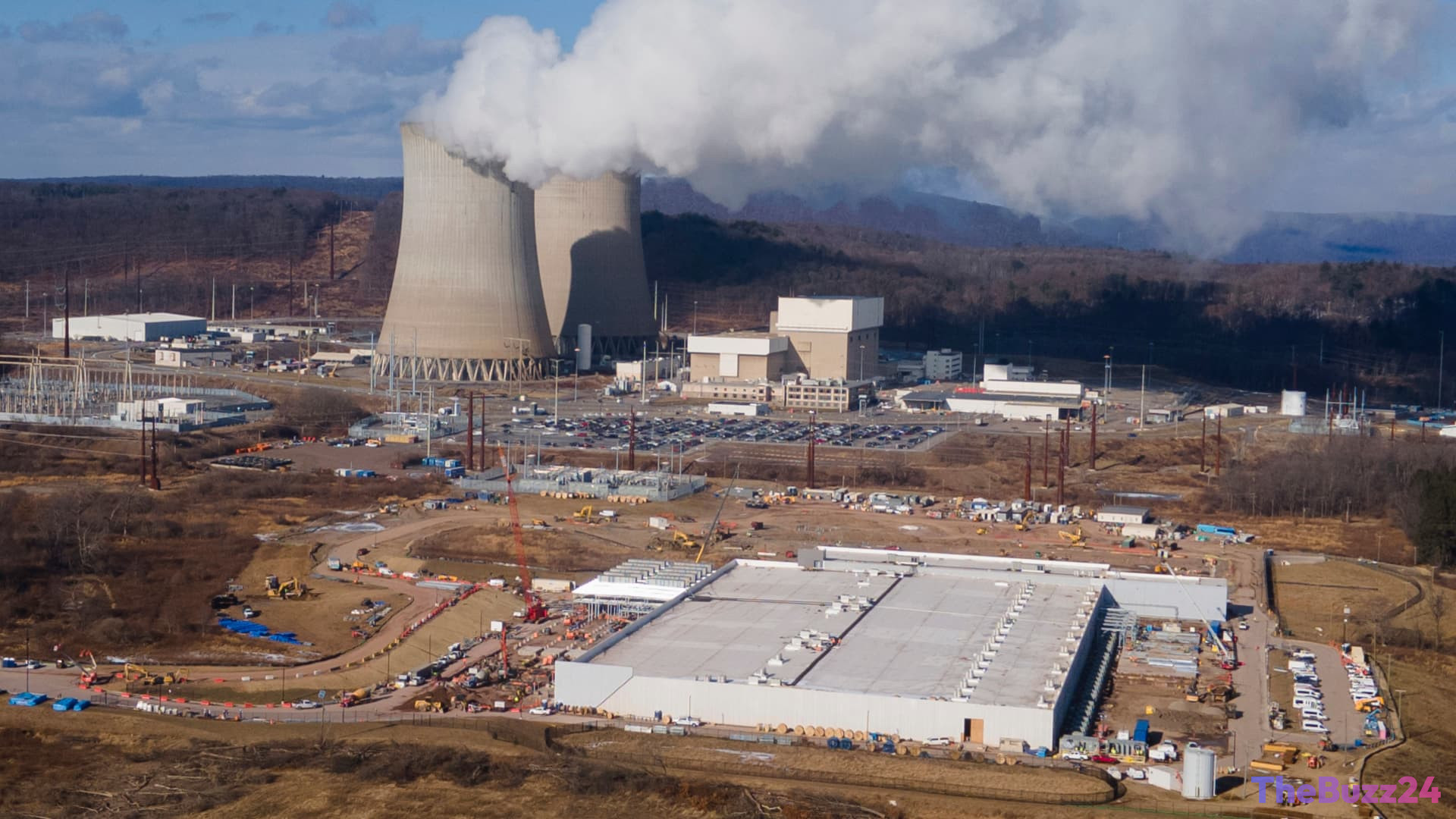
Pennsylvania Data Center Boom Becomes Political Liability for GOP Incumbents
A rapid surge in the construction of massive AI-focused data centers across Pennsylvania is creating a significant political headache for Republican incumbents ahead of the 2026 midterm elections. With major tech firms like Amazon and Microsoft investing billions into the state’s digital infrastructure, local communities are increasingly pushing back against the projects. This grassroots opposition, fueled by concerns over rising electricity costs, noise pollution, and the loss of prime farmland, is putting pressure on lawmakers in key swing districts that are essential for maintaining the current narrow Republican majority in the U.S. House.
Political analysts suggest that the data center issue is uniquely disruptive because it defies traditional partisan lines, uniting environmental activists with populist voters who are wary of industrial encroachment. In competitive districts, such as those in the Lehigh Valley, residents are demanding clear leadership from their representatives. Challengers are already capitalizing on the situation, attempting to link incumbent politicians to the recent spike in utility rates, which saw Pennsylvania electricity costs rise by over 20% in 2025. This narrative creates a difficult balancing act for Republicans who generally support AI growth and energy development but must now address the immediate economic anxieties of their constituents.
While some federal lawmakers argue that zoning and land-use decisions are strictly local matters, the scale of the current buildout—which includes over 100 existing facilities and plans for massive hyperscale complexes—has elevated the issue to a state and national priority. As the 2026 election cycle approaches, the ability of incumbents to navigate this tension between supporting technological advancement and protecting local quality of life may prove decisive. With several districts currently rated as toss-ups, the data center debate has emerged as a critical factor that could determine the future control of Congress.
Key Takeaways
- Rapid expansion of AI data centers in Pennsylvania is fueling bipartisan local opposition due to concerns over land use and rising energy costs.
- Republican incumbents in competitive swing districts face political risk as challengers use the data center issue to attack them over utility price hikes.
- The debate over data center regulation is becoming a central campaign issue, with voters increasingly demanding that candidates take a definitive stance on future construction.
Editor’s Analysis & Impact
The situation in Pennsylvania serves as a microcosm for a broader national trend: the collision between the massive energy requirements of the AI revolution and the local realities of infrastructure development. As tech giants race to secure power—often turning to nuclear or industrial sites—they are encountering a ‘NIMBY’ (Not In My Backyard) movement that is increasingly sophisticated and politically potent. For the industry, the implication is clear: the ‘digital backbone’ of the economy is no longer invisible to the public. Future growth will likely require more transparent community engagement and proactive energy grid management. If politicians fail to address the economic fallout of these projects, such as rising electricity bills, they risk alienating a coalition of voters that could shift the balance of power in upcoming legislative cycles.
Frequently Asked Questions
Q: Why are data centers causing political tension in Pennsylvania?
A: Data centers are being blamed for rising electricity costs, noise pollution, and the conversion of farmland, leading to a groundswell of local opposition that puts pressure on elected officials.
Q: Are data centers a partisan issue?
A: No, the opposition is largely non-partisan, bringing together environmental groups and populist voters who share concerns about the impact of large-scale industrial development on their communities.
AI Disclosure: This article is based on verified data and official reports. Our Team and AI have cross-referenced every financial detail with primary sources to ensure total accuracy.
More from this Category