U.S. Escalates Pressure on Iran with Sanctions on Major Chinese ‘Teapot’ Refinery
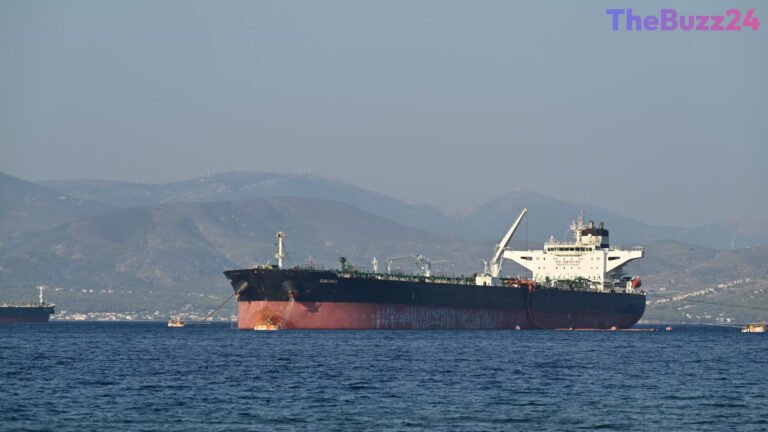
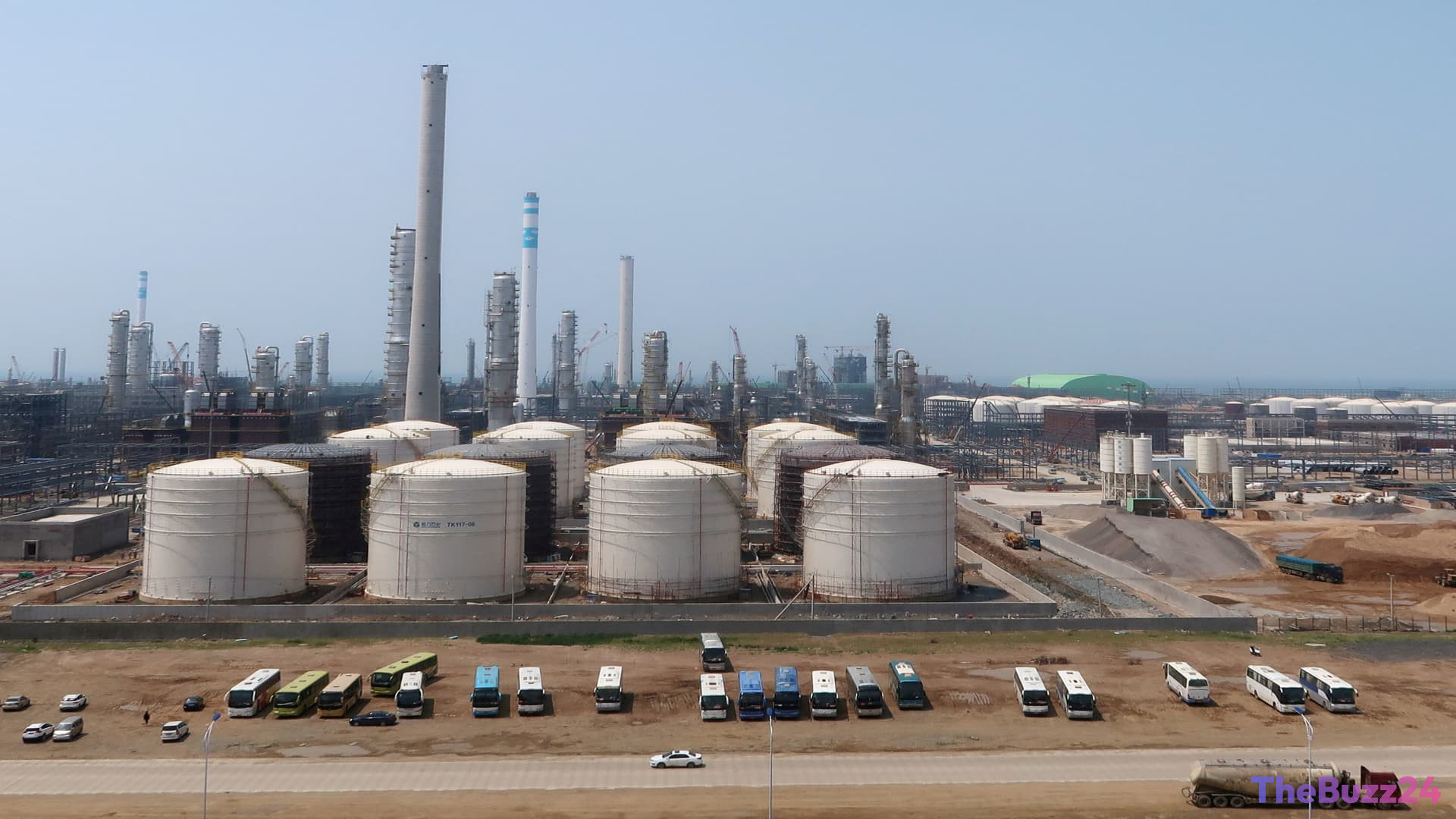
The United States government has intensified its economic pressure campaign against Iran by blacklisting a major independent Chinese refinery alongside dozens of shipping entities. The U.S. Treasury Department announced sanctions against Hengli Petrochemical (Dalian) Refinery, accusing the facility of purchasing billions of dollars in Iranian crude oil and petroleum products. Additionally, the Office of Foreign Assets Control targeted approximately 40 shipping firms and vessels identified as key components of Iran’s “shadow fleet,” which facilitates the covert transport of sanctioned oil.
In response, the Chinese embassy in Washington strongly condemned the unilateral measures, urging the U.S. to cease using sanctions as a political weapon against Chinese enterprises. Beijing maintained that normal trade relations should be respected and protected. This latest round of sanctions follows previous U.S. actions targeting other independent Chinese refiners, commonly referred to as “teapots,” including Hebei Xinhai Chemical Group and Shandong Shouguang Luqing Petrochemical. These prior penalties disrupted operations, forcing the affected refineries to navigate logistical hurdles and auction products under alternative names.
Independent “teapot” refineries account for roughly a quarter of China’s total refining capacity. Currently grappling with thin profit margins and sluggish domestic demand, these facilities have historically relied on discounted Iranian crude. While China imports more than 80% of Iran’s exported oil, these smaller refineries have remained somewhat insulated from U.S. financial penalties due to their minimal exposure to the American banking system. However, Treasury Secretary Scott Bessent signaled a potential shift toward more aggressive enforcement, warning that the U.S. is prepared to levy secondary sanctions against Chinese financial institutions found facilitating these transactions.
Key Takeaways
- The U.S. Treasury Department has sanctioned Hengli Petrochemical, a prominent Chinese independent refinery, for importing billions of dollars of Iranian oil.
- The sanctions also target roughly 40 vessels and shipping companies operating within Iran's "shadow fleet" to disrupt global distribution networks.
- U.S. officials have threatened secondary sanctions against Chinese banks facilitating these transactions, which could severely impact the "teapot" refining sector.
Editor’s Analysis & Impact
The latest U.S. sanctions represent a strategic escalation in Washington’s efforts to choke off Iran’s oil revenues, directly targeting the independent Chinese “teapot” refineries that serve as Tehran’s primary economic lifeline. While these smaller refiners have historically operated outside the reach of the U.S. financial system, the threat of secondary sanctions on Chinese banks introduces a potent new variable. If Washington follows through on penalizing these financial institutions, it could severely disrupt the flow of discounted crude to China, forcing “teapots” to source more expensive alternatives amidst already razor-thin margins. Consequently, this move is likely to strain U.S.-China trade relations further and could lead to localized volatility in global oil markets as shipping networks adjust to the heightened regulatory risks.
Frequently Asked Questions
Q: What are "teapot" refineries?
A: Teapot refineries are relatively small, independent oil refineries in China that operate separately from state-owned energy giants. They account for about 25% of China's total refining capacity.
Q: Why does China import so much Iranian oil?
A: China is the world's largest oil importer, and Iranian crude is often sold at a significant discount due to international sanctions, making it highly attractive to cost-conscious independent Chinese refiners.
Q: What are secondary sanctions?
A: Secondary sanctions target non-U.S. entities (such as foreign banks or companies) that do business with blacklisted countries or organizations, effectively forcing them to choose between trading with the sanctioned entity or maintaining access to the U.S. financial system.
AI Disclosure: This article is based on verified data and official reports. Our Team and AI have cross-referenced every financial detail with primary sources to ensure total accuracy.
More from this Category