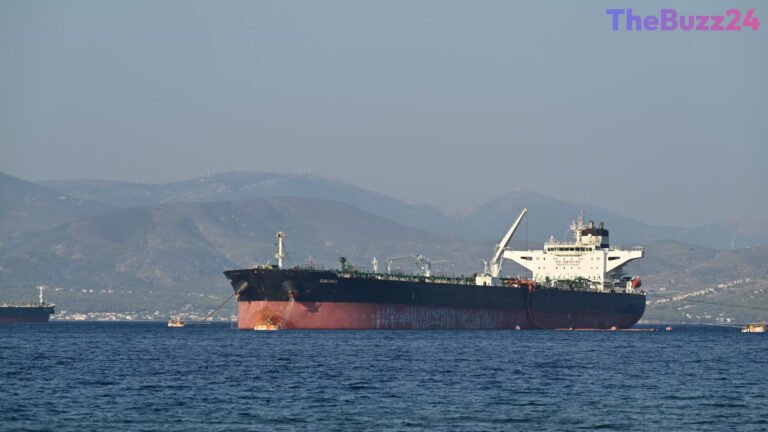
Geopolitical Tensions in the Strait of Hormuz Fuel Global Market Uncertainty
Global financial markets are currently navigating a complex environment defined by persistent geopolitical friction and shifting diplomatic strategies. Recent attempts to facilitate dialogue between the United States and Iran have faced significant hurdles, with planned high-level meetings being scrapped due to perceived instability within Tehran’s leadership. Despite these setbacks, Iran has reportedly floated a new proposal aimed at stabilizing the Strait of Hormuz and de-escalating regional tensions by temporarily decoupling nuclear negotiations from maritime security concerns. While diplomatic channels remain active through intermediaries, the path to a formal resolution remains uncertain, leaving investors to weigh the risks of prolonged instability against the potential for a breakthrough.
The energy sector remains the most immediate casualty of this diplomatic impasse. The Strait of Hormuz, a critical artery for global oil transit, continues to command a significant risk premium, pushing Brent crude futures toward $106.55 per barrel. Analysts suggest that even if maritime traffic were to normalize, the global supply chain faces a period of sustained tightness due to depleted inventories and the time required to restore production capacity. Forecasts now indicate that oil prices may maintain a higher floor for the foreseeable future, with some projections suggesting Brent could remain elevated through 2026 as the market grapples with structural supply deficits.
Surprisingly, global equity markets have shown remarkable resilience in the face of these energy shocks. Driven by strong momentum in the artificial intelligence sector and robust structural growth, major indices in the Asia-Pacific region and the United States have hovered near record highs. While some market participants express concern that current valuations may be overextended, others view the ongoing volatility as a strategic entry point. Historical comparisons to past supply crises suggest that markets often possess the capacity to rebound quickly once the immediate threat of disruption subsides, provided that broader economic fundamentals remain intact.
Beyond the immediate impact on crude oil, the crisis is beginning to exert pressure on broader commodity markets, including natural gas and agricultural inputs. The disruption of liquefied natural gas (LNG) flows has already pushed European benchmarks significantly higher, creating a ripple effect that threatens to increase fertilizer costs and, eventually, consumer food prices. As these second-order effects begin to permeate industrial supply chains—affecting everything from aluminum to helium—central banks face the difficult task of determining whether these inflationary pressures are transitory or represent a more permanent shift in the global economic landscape.
Key Takeaways
- Diplomatic efforts to secure the Strait of Hormuz remain stalled, keeping a persistent risk premium on global oil prices.
- Energy markets face long-term supply tightness, with analysts predicting elevated oil prices through 2026 regardless of immediate diplomatic outcomes.
- While energy and commodity sectors face inflationary pressure, global equity markets remain resilient, bolstered by strong performance in the technology and AI sectors.
Editor’s Analysis & Impact
The current geopolitical standoff in the Strait of Hormuz represents a classic ‘supply-side shock’ that tests the limits of modern market resilience. While equity markets have largely ignored the energy volatility by focusing on the productivity gains promised by artificial intelligence, the underlying risks to the real economy are mounting. The transition from a localized energy crisis to a broader inflationary threat—impacting natural gas, fertilizers, and industrial raw materials—suggests that the ‘transitory’ narrative favored by some policymakers may be tested in the coming quarters. Investors should monitor the correlation between energy prices and industrial output closely; if the cost of inputs continues to climb, the current equity market optimism may face a reality check. The long-term outlook remains cautious, as the lag in supply chain restoration ensures that volatility will likely persist well into the next fiscal year.
Frequently Asked Questions
Q: Why is the Strait of Hormuz so critical to global markets?
A: The Strait of Hormuz is one of the world's most important oil chokepoints, as a significant percentage of the world's total petroleum liquids pass through it daily. Any threat to this passage creates immediate supply concerns, driving up global oil prices.
Q: How do energy disruptions affect food prices?
A: Energy disruptions, particularly in natural gas, increase the cost of producing fertilizers. Since fertilizer is a primary input for agriculture, higher production costs eventually translate into higher prices for food products at the consumer level.
AI Disclosure: This article is based on verified data and official reports. Our Team and AI have cross-referenced every financial detail with primary sources to ensure total accuracy.
More from this Category