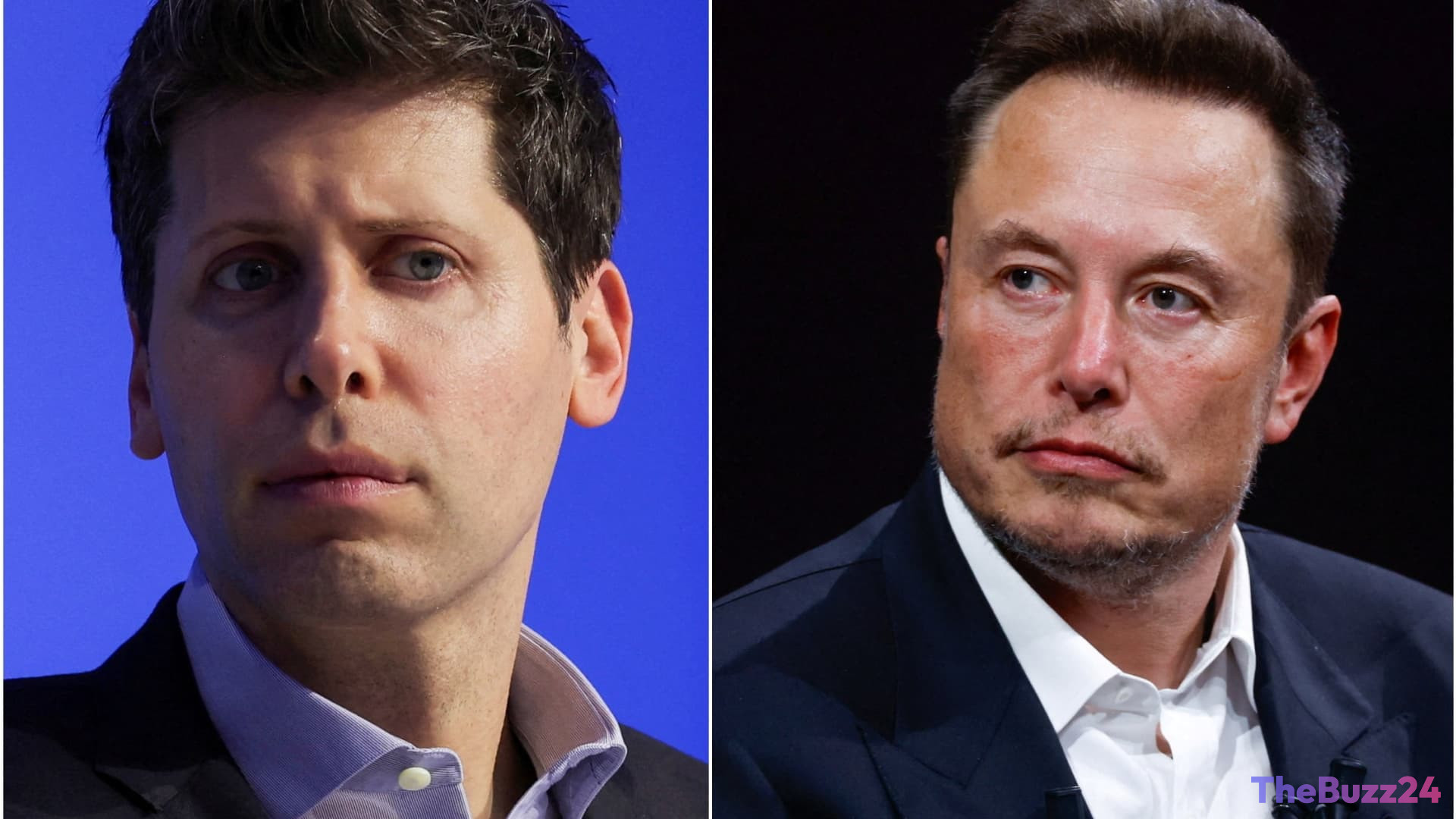
Legal Battle Begins: Jury Seated in High-Stakes OpenAI Lawsuit
A federal courtroom in Oakland, California, has officially seated a nine-person jury to hear the landmark case brought by Elon Musk against OpenAI and its leadership, including CEO Sam Altman and President Greg Brockman. Presided over by Judge Yvonne Gonzalez Rogers, the trial is set to address allegations that the artificial intelligence firm abandoned its original nonprofit mission in favor of profit-driven motives. Opening arguments are scheduled to begin immediately, marking the start of a closely watched legal confrontation.
Musk, who helped co-found OpenAI in 2015, alleges that he was misled by the company’s leadership regarding its commitment to developing AI for the benefit of humanity rather than corporate gain. The lawsuit, which has been narrowed down to claims of unjust enrichment and breach of charitable trust, seeks to challenge the company’s recent restructuring. While Musk initially floated significant financial figures regarding the company’s gains, he has stated that any potential damages should be redirected toward the organization’s charitable objectives.
OpenAI has consistently denied these allegations, characterizing the litigation as a retaliatory effort by a competitor to undermine its progress. The trial will proceed in two distinct stages: an initial liability phase, where the jury will provide an advisory verdict, followed by a remedies phase overseen by the judge. As the proceedings move forward, the court has carefully vetted jurors to ensure impartiality, despite the widespread public opinions surrounding both Musk and the rapid evolution of AI technology.
The outcome of this trial carries significant weight for the broader tech industry, particularly as both Musk’s ventures and OpenAI navigate paths toward potential public offerings. With the combined valuation of these entities reaching into the trillions, the courtroom drama serves as a pivotal moment in the ongoing debate over the governance, ethics, and future trajectory of artificial intelligence development.
Key Takeaways
- A nine-person jury has been seated in Oakland to hear Elon Musk's lawsuit against OpenAI's leadership.
- The trial focuses on two primary claims: unjust enrichment and breach of charitable trust regarding OpenAI's shift from a nonprofit model.
- The proceedings are split into a liability phase and a remedies phase, with the liability portion expected to conclude by May 21.
Editor’s Analysis & Impact
This lawsuit represents a fundamental clash between the idealistic origins of AI research and the harsh realities of commercial scaling. By forcing a public examination of OpenAI’s corporate structure, Musk is effectively putting the entire ‘nonprofit-to-for-profit’ pivot model on trial. The industry impact is profound; a ruling in favor of Musk could set a legal precedent that complicates how research labs transition into commercial powerhouses. Conversely, a victory for OpenAI would likely solidify the current industry standard where massive capital infusion is viewed as a prerequisite for competitive AI development. Regardless of the verdict, the trial highlights the growing tension between AI safety advocates and the aggressive pursuit of AGI, signaling a future where regulatory and legal scrutiny will become as common as technological breakthroughs in the sector.
Frequently Asked Questions
Q: What are the core allegations in Elon Musk's lawsuit against OpenAI?
A: Musk alleges that OpenAI breached its charitable trust and engaged in unjust enrichment by abandoning its original nonprofit mission in favor of profit-driven motives.
Q: How is the trial structured?
A: The trial is divided into two phases: a liability phase, where a jury provides an advisory verdict on wrongdoing, and a remedies phase, where the judge determines appropriate damages or corrective actions.
AI Disclosure: This article is based on verified data and official reports. Our Team and AI have cross-referenced every financial detail with primary sources to ensure total accuracy.
More from this Category