Saba Capital’s Liquidity Push Faces Investor Hesitation in Private Credit Market
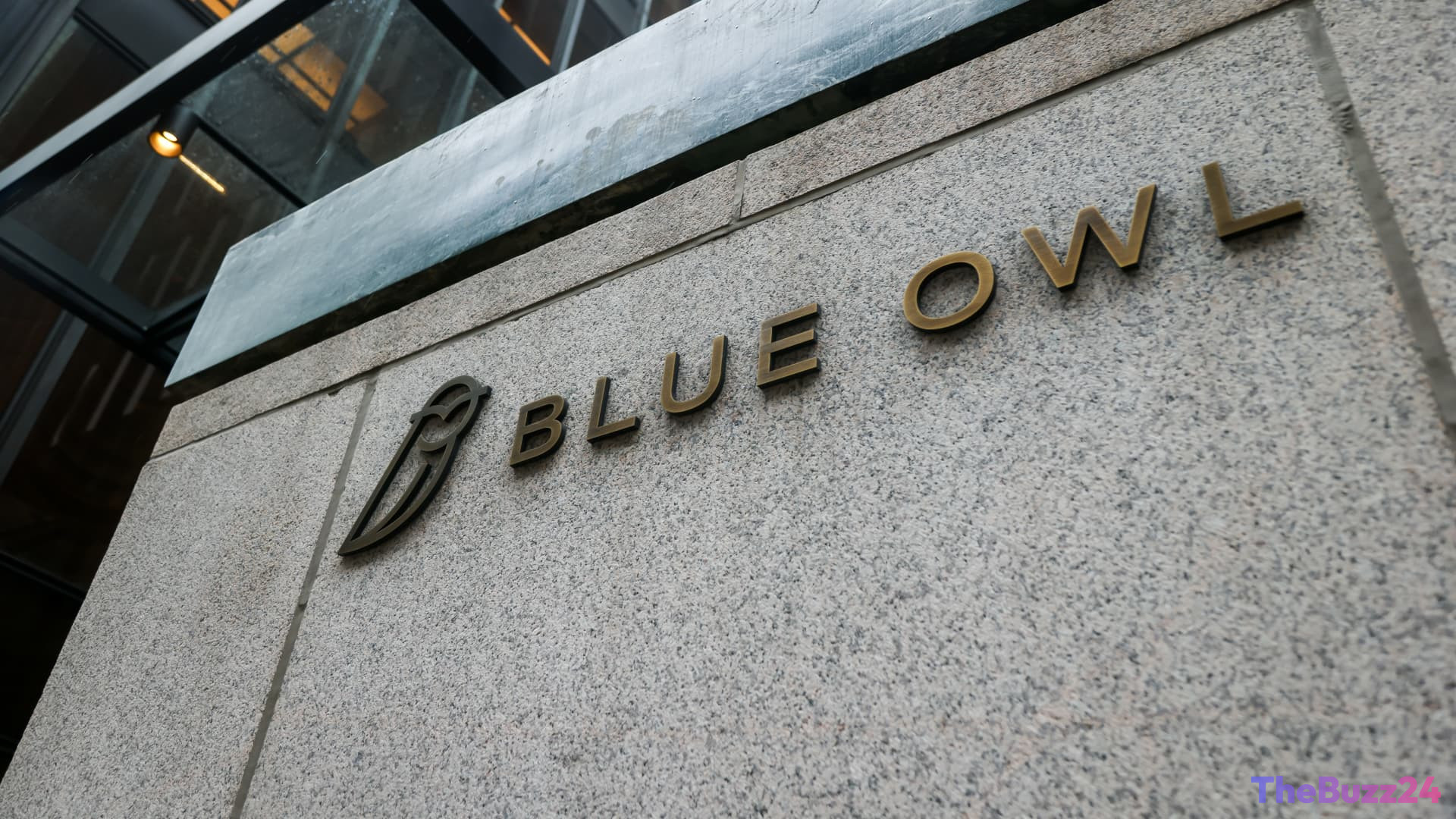
Saba Capital Management recently attempted to provide liquidity to investors trapped in non-traded private credit and real estate funds, but the initiative met with limited success. The hedge fund launched tender offers for shares in Blue Owl Capital Corporation II (OBDC II) and Starwood Real Estate Income Trust (SREIT), proposing to purchase holdings at significant discounts—ranging from 24% to 35% depending on the fund and share class. Despite the offer, the response was tepid, with the Blue Owl tender failing to secure even 1% of the targeted shares.
Ultimately, Saba managed to acquire approximately $10 million in aggregate face value across 190 trades, with the vast majority of that volume originating from SREIT investors. The firm attributed the low participation in the Blue Owl offer to the limited pool of remaining capital within the fund. This move comes at a time when non-traded business development companies (BDCs) are facing heightened redemption pressures, leading many managers to cap withdrawal requests or halt redemptions entirely to preserve portfolio stability.
Looking ahead, Saba Capital remains committed to acting as a liquidity provider for retail investors in illiquid products. The firm noted that its presence in the market may have already influenced positive outcomes, pointing to Starwood CEO Barry Sternlicht’s commitment to inject equity capital to facilitate redemptions. Saba maintains that as credit risks mount toward 2027 and 2028, the demand for secondary market liquidity in these private vehicles will likely increase, positioning the firm to play a larger role in the evolving private credit landscape.
Key Takeaways
- Saba Capital’s tender offers for Blue Owl and Starwood funds saw lower-than-expected participation, with the Blue Owl offer failing to reach 1% of the target.
- The firm successfully acquired $10 million in assets, primarily from Starwood Real Estate Income Trust (SREIT) investors.
- Saba plans to continue providing liquidity to retail investors in illiquid private credit products, anticipating increased market stress in the coming years.
Editor’s Analysis & Impact
The struggle to attract sellers at steep discounts highlights a complex dynamic in the private credit sector. While retail investors are clearly frustrated by the lack of liquidity in non-traded BDCs, many are likely unwilling to accept the deep haircuts proposed by secondary market buyers, preferring to wait for fund-level redemption programs or asset sales. Saba Capital’s strategy is a bet on long-term structural stress; they are positioning themselves as the ‘buyer of last resort’ for a market segment that has grown rapidly but lacks the transparency and exit mechanisms of public markets. As interest rates remain elevated and maturity walls approach in 2027-2028, the pressure on these funds will intensify. If these funds cannot meet redemption demands, secondary market players like Saba will likely see their influence and deal flow expand significantly.
Frequently Asked Questions
Q: Why are investors in non-traded BDCs struggling to access their cash?
A: Non-traded BDCs and private credit funds often have limited liquidity windows. When redemption requests exceed the fund's ability to pay out, managers frequently cap withdrawals or suspend them entirely to avoid forced asset sales.
Q: What is the primary goal of Saba Capital in this market?
A: Saba Capital aims to provide a consistent, credible secondary market for retail investors who are locked into illiquid private credit products, effectively offering an exit path that is otherwise unavailable.
AI Disclosure: This article is based on verified data and official reports. Our Team and AI have cross-referenced every financial detail with primary sources to ensure total accuracy.
More from this Category