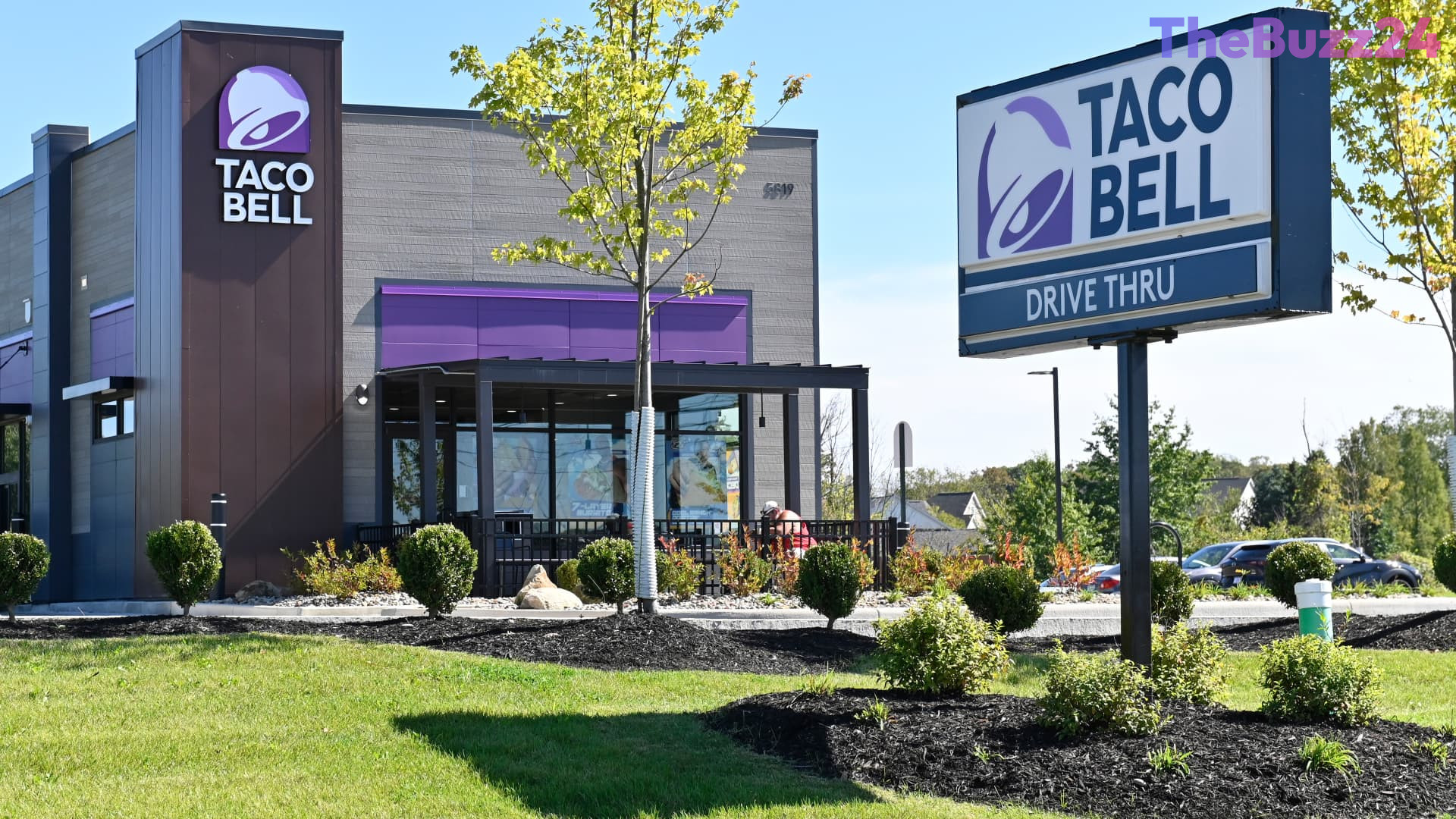
Taco Bell Sales Rebound Following Cyclospora Outbreak Impact
Yum Brands has revealed that recent financial performance for Taco Bell faced temporary headwinds following a cyclospora outbreak linked to the fast-food chain. Executives noted that daily customer traffic experienced a sharp decline after federal health regulators connected the foodborne illness to ingredients served at the restaurants. Despite the immediate shock to consumer demand, leadership emphasized that recovery is already underway as public awareness broadens regarding the issue.
During a recent earnings call, corporate leaders detailed that the health concern caused a noticeable dip in same-store sales during July. However, sentiment analysis and recent transaction data indicate that customer confidence is steadily returning to pre-crisis levels. Executives pointed out that the fallout extended beyond a single brand, affecting broader consumer trust across the fast-casual and quick-service dining sectors that rely heavily on fresh produce like iceberg lettuce.
Simultaneously, Yum Brands posted its broader quarterly financial figures, highlighting resilience across its global portfolio. Total net revenue experienced year-over-year growth, bolstered by new restaurant openings and strong performances in key international markets, particularly within its KFC division. Even as the company navigates short-term supply and health challenges, management remains optimistic about long-term growth trajectories for its core brands.
Key Takeaways
- Taco Bell experienced a temporary drop in sales and customer traffic after being linked to a cyclospora outbreak.
- Executives reported that sales trends have begun recovering as consumers realize the parasite issue affects the wider food industry.
- Yum Brands posted overall positive financial results for the quarter, driven by revenue growth and new restaurant openings.
Editor’s Analysis & Impact
The recent cyclospora outbreak highlights the profound vulnerability of major restaurant chains to supply chain and food safety crises. For a powerhouse like Yum Brands, Taco Bell serves as a primary growth engine, meaning any disruption to its operations immediately rattles investor confidence. However, the swift rebound in sales and stabilizing social media sentiment demonstrate that modern consumers are increasingly sophisticated in distinguishing between localized contamination and systemic brand failure. As suppliers like Taylor Farms issue recalls and federal agencies investigate broader clusters, the restaurant industry must double down on traceability and rigorous food safety protocols. In the long run, transparent communication and rapid crisis management will remain critical differentiators for maintaining customer loyalty during health scares.
Frequently Asked Questions
Q: What caused the recent sales decline at Taco Bell?
A: Sales dipped after the Food and Drug Administration linked a cyclospora parasitic outbreak to fresh produce, specifically iceberg lettuce, supplied to the chain.
Q: Are Taco Bell's sales recovering?
A: Yes, company executives reported that sales trends have been steadily improving, with average sales recovering significantly from the steepest post-announcement declines.
Q: Did the health scare impact other restaurant chains?
A: Yes, other brands not directly implicated in the outbreak, such as Chipotle Mexican Grill, also saw consumer hesitancy impact their fresh produce sales during the same period.
AI Disclosure: This article is based on verified data and official reports. Our Team and AI have cross-referenced every financial detail with primary sources to ensure total accuracy.
More from this Category