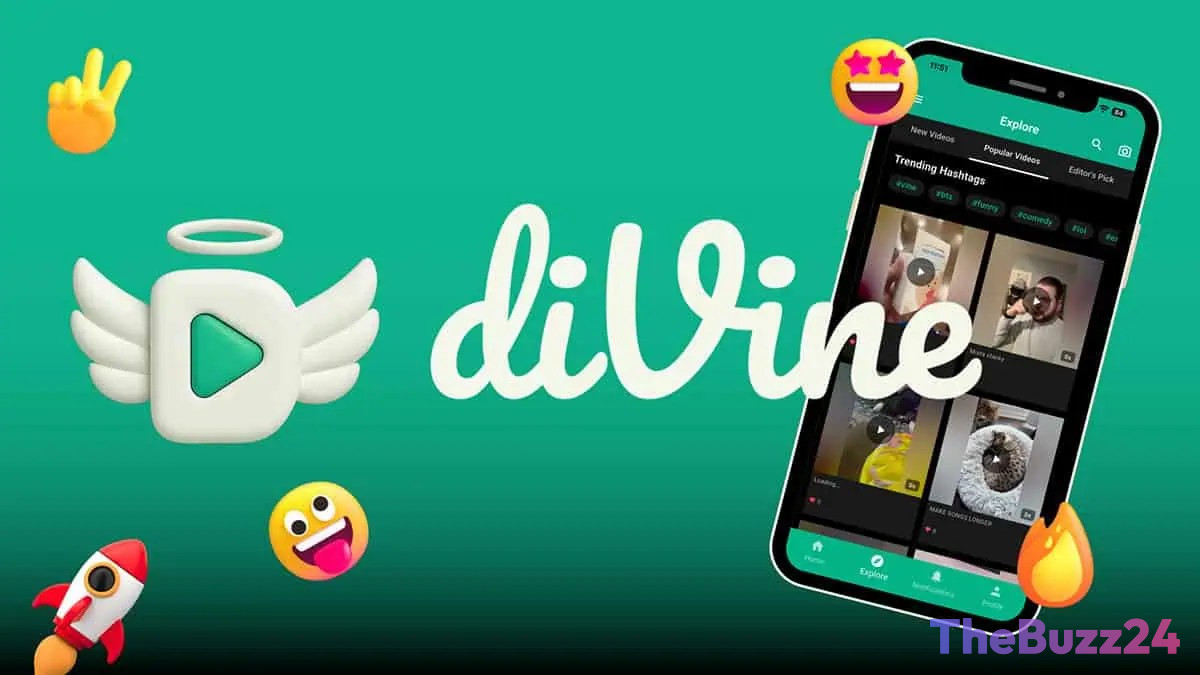
Divine Launches Decentralized Short-Form Video Platform to Preserve Internet History
A new social media application called Divine has officially launched, aiming to revive the six-second looping video format that once defined early internet culture. Backed by the nonprofit organization ‘and Other Stuff,’ founded by Twitter co-founder Jack Dorsey, the platform positions itself as a human-centric alternative to the algorithm-heavy feeds that currently dominate the social media landscape. The app is now accessible to users on both iOS and Android platforms.
More than just a social network, Divine functions as a digital archive for internet history. Led by former Twitter engineer Evan Henshaw-Plath, the development team has successfully restored approximately 500,000 videos from the original Vine service. By reconstructing the binary data, the team has preserved original engagement metrics, allowing users to revisit iconic loops while also contributing new, original content to the platform.
In response to the rise of AI-generated media, Divine has implemented a strict policy to ensure authenticity. The platform requires all uploaded videos to be recorded natively or verified through the C2PA open standard for content provenance. By banning machine-generated content, the developers aim to protect human creativity. This commitment to transparency is supported by the app’s use of open protocols like Nostr, which facilitates a decentralized and community-governed environment.
Operating as a public benefit corporation, Divine rejects the profit-driven models typical of major social networks. By focusing on creator autonomy and digital ownership, the platform seeks to build a sustainable ecosystem. As the app continues to scale, the team plans to roll out direct monetization and support features for creators, ensuring the platform remains a space for the creative spontaneity that originally defined the short-form video movement.
Key Takeaways
- Divine is a new decentralized short-form video app that revives the six-second looping format.
- The platform has restored and archived 500,000 original videos from the defunct Vine service.
- Divine enforces a strict anti-AI policy, requiring all content to be natively recorded or verified via C2PA standards.
Editor’s Analysis & Impact
The launch of Divine represents a significant pushback against the ‘black box’ algorithmic models that currently govern major social media platforms. By leveraging the Nostr protocol and a public benefit corporation structure, Divine is attempting to solve the dual problems of platform dependency and the erosion of digital authenticity. The integration of C2PA standards is a particularly timely move, as the industry grapples with the proliferation of deepfakes and synthetic media. If successful, Divine could serve as a blueprint for a new generation of ‘sovereign’ social networks where users own their data and creators are not beholden to opaque engagement metrics. However, the platform faces a steep challenge in competing with the massive network effects and sophisticated recommendation engines of established giants like TikTok and Instagram.
Frequently Asked Questions
Q: Is Divine available for all mobile users?
A: Yes, the Divine application is currently available for download on both iOS and Android devices.
Q: How does Divine handle AI-generated content?
A: Divine prohibits machine-generated media. All videos must be recorded natively or verified using the C2PA open standard for content provenance to ensure they are human-made.
Q: What is the connection between Divine and Vine?
A: While Divine is a new platform, its developers have restored and archived approximately 500,000 videos from the original Vine service, allowing users to view these historical clips within the new app.
AI Disclosure: This article is based on verified data and official reports. Our Team and AI have cross-referenced every financial detail with primary sources to ensure total accuracy.
More from this Category