AWS Sales Skyrocket 28% as Amazon Pours Billions Into AI Infrastructure
Amazon has delivered a stellar first-quarter earnings report, driven by an unprecedented surge in its cloud computing division, Amazon Web Services (AWS). Fueled by the global artificial intelligence boom, AWS recorded a 28% year-over-year increase in net sales, reaching $37.6 billion. This represents the fastest growth rate for the cloud unit in 15 quarters, underscoring Amazon’s dominant position as a primary infrastructure provider for the rapidly expanding AI sector.
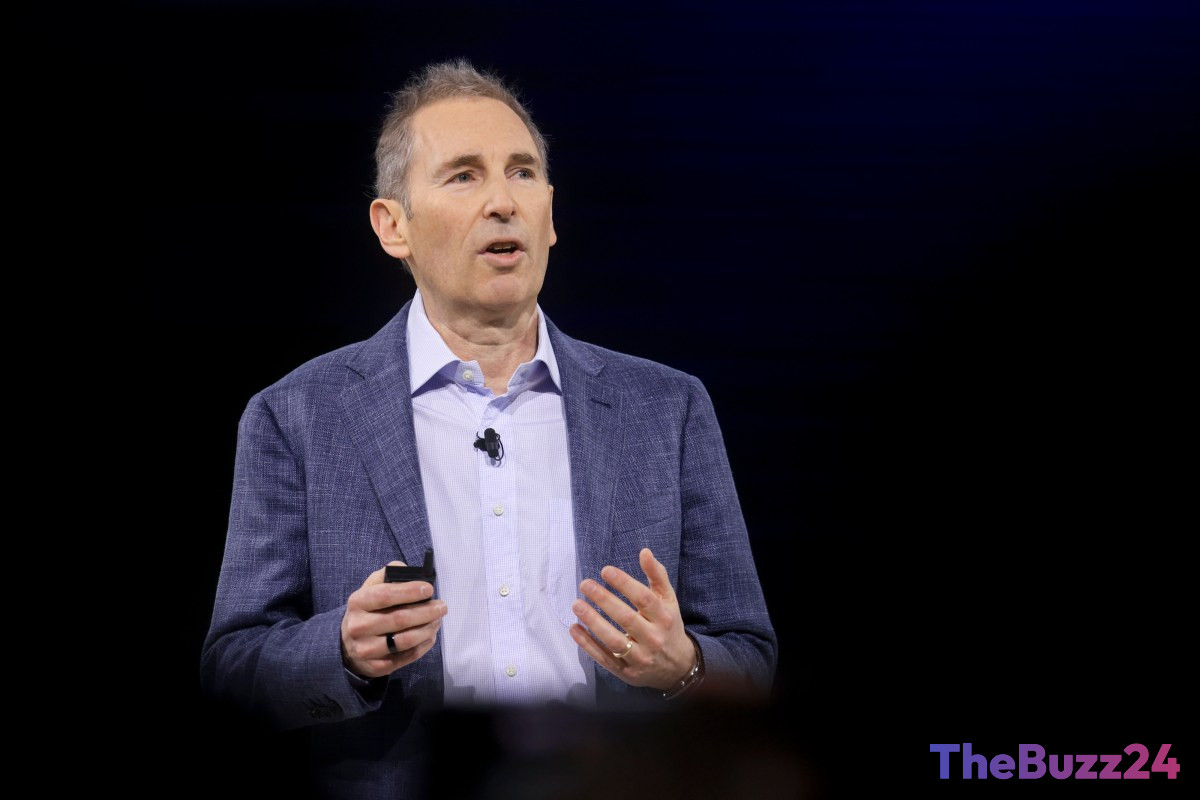
Amazon President and CEO Andy Jassy highlighted the extraordinary pace of this expansion, drawing a stark contrast to the early days of the cloud business. While AWS took three years post-launch to reach a $58 million revenue run rate, the current AI-driven wave has propelled AWS’s AI-specific revenue run rate past $15 billion in a similar timeframe—a staggering 260-fold increase. Jassy emphasized that businesses are consistently choosing AWS to power their complex AI workloads, cementing the company’s leadership in the space.
To sustain this massive growth, Amazon is aggressively ramping up its capital expenditures to acquire land, power, data centers, and specialized hardware like chips and servers. This heavy upfront investment has temporarily pressured the company’s free cash flow, which fell to $1.2 billion for the trailing twelve months—a 95% drop from the $25.9 billion reported in the first quarter of 2025. This decline was primarily driven by a $59.3 billion surge in spending on property and equipment.
Despite the short-term cash burn, leadership remains confident in the long-term returns, noting that infrastructure assets like data centers have a lifespan of over 30 years, while chips and servers remain useful for five to six years. Overall, Amazon’s consolidated net sales grew 17% year-over-year to $181.5 billion, with North American sales rising 12% and international markets growing by 19%, demonstrating robust health across the entire e-commerce and technology giant.
Key Takeaways
- AWS net sales surged 28% year-over-year to $37.6 billion, marking its fastest growth in 15 quarters.
- Amazon's AI-related revenue run rate has surpassed $15 billion, representing a 260-fold increase compared to the early growth years of AWS.
- Massive capital expenditures on AI infrastructure led to a 95% drop in trailing twelve-month free cash flow to $1.2 billion.
Editor’s Analysis & Impact
Amazon’s latest financial results highlight a broader trend in the tech industry: the AI revolution is incredibly capital-intensive. While the revenue generation from AI is real and accelerating—as evidenced by AWS’s impressive 28% growth—the cost of entry and scale is astronomical. Amazon’s decision to sacrifice short-term free cash flow to secure land, power, and chips reflects a high-stakes race against rivals like Microsoft and Google. By investing heavily now, Amazon aims to lock in enterprise customers for the next decade. Although investors may initially balk at the 95% drop in free cash flow, the long-term utility of these infrastructure assets suggests that Amazon is well-positioned to reap massive downstream profits once this capital expenditure cycle matures.
Frequently Asked Questions
Q: Why is Amazon spending so much on capital expenditures right now?
A: Amazon is heavily investing in infrastructure—including land, power, data centers, chips, and networking gear—to support the massive compute demands of the artificial intelligence boom and fuel the rapid growth of AWS.
Q: How did the increased spending affect Amazon's free cash flow?
A: Due to a $59.3 billion increase in property and equipment purchases, Amazon's trailing twelve-month free cash flow dropped by 95% to $1.2 billion, down from $25.9 billion in the first quarter of the previous year.
Q: What was AWS's financial performance in the first quarter?
A: AWS net sales grew by 28% year-over-year to reach $37.6 billion, marking the cloud division's fastest growth rate in 15 quarters.
AI Disclosure: This article is based on verified data and official reports. Our Team and AI have cross-referenced every financial detail with primary sources to ensure total accuracy.
More from this Category