Government Shutdown Averted: DHS Funding Bill Signed Into Law
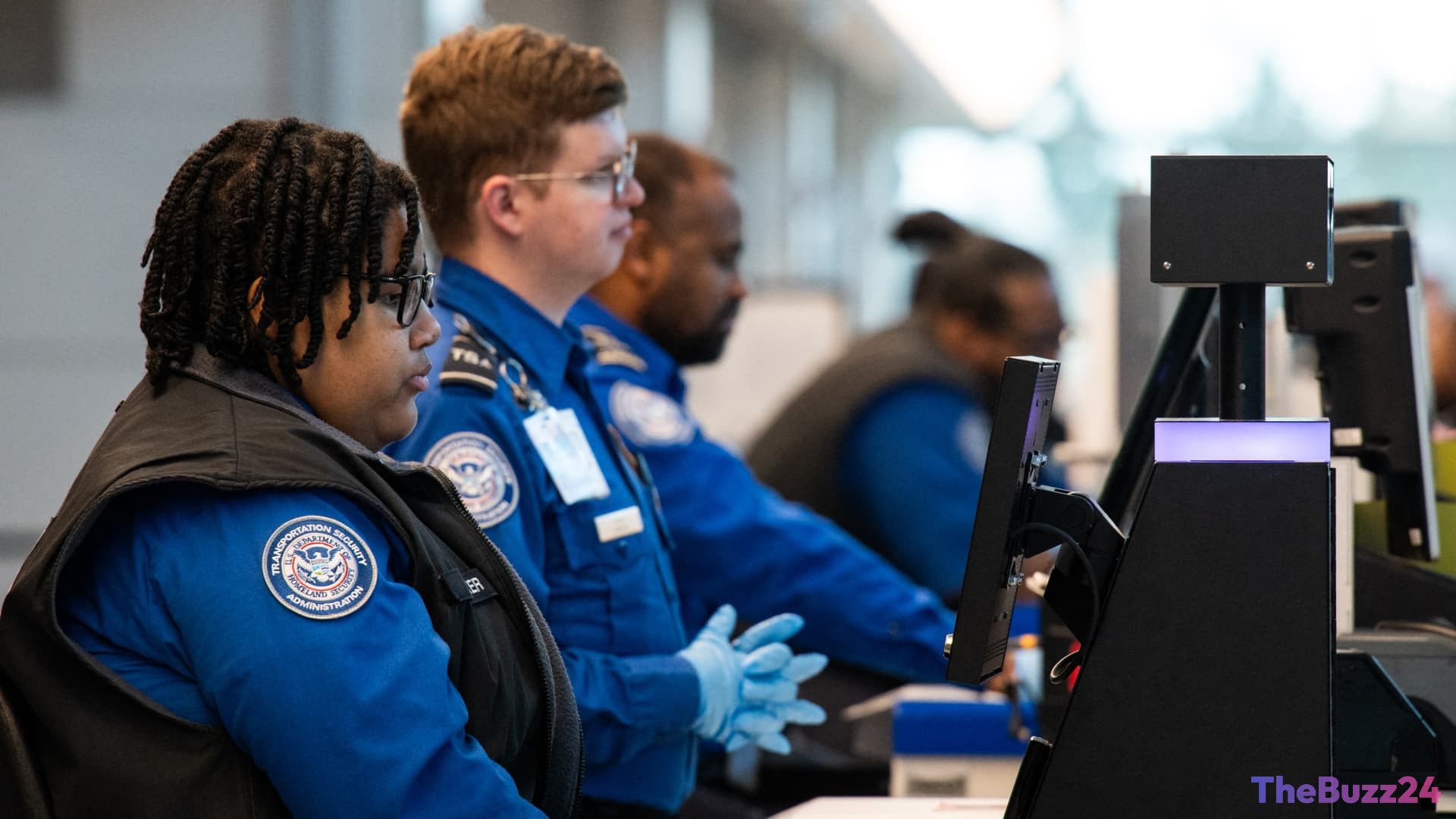
President Donald Trump has officially signed a funding measure into law, bringing a formal end to the partial government shutdown that had hampered the Department of Homeland Security (DHS) since February. This legislative action secures critical funding for the agency, including the Transportation Security Administration (TSA), effectively halting the pay disruptions that had previously caused significant operational delays and staffing shortages at airports across the country.
The bill successfully cleared the House of Representatives following an extended period of legislative gridlock. While the measure restores full functionality to the majority of the department, it notably omits funding for Immigration and Customs Enforcement (ICE) and certain divisions of Customs and Border Protection (CBP). These specific agencies remain the primary subjects of intense political debate regarding the future of national immigration enforcement policies.
With the immediate crisis resolved, lawmakers are pivoting toward a budget reconciliation process to bridge the remaining funding gaps for ICE and CBP. This procedural maneuver is intended to bypass traditional legislative hurdles in the Senate. Republican leadership has identified the completion of this funding as a critical objective, establishing a target deadline of June 1 to ensure alignment with the administration’s broader policy goals.
The resolution concludes over 70 days of intense debate, during which House Speaker Mike Johnson and other GOP leaders faced mounting pressure to reach an agreement before the start of the congressional recess. Although the current legislation provides necessary relief for the bulk of DHS personnel, the underlying legislative conflict concerning immigration funding and comprehensive policy reform remains a central issue in Washington.
Key Takeaways
- President Trump signed a funding bill ending the partial shutdown of the Department of Homeland Security.
- The legislation restores pay and operations for the TSA, resolving recent airport travel disruptions.
- Funding for ICE and CBP remains excluded from the current bill, with a new legislative push expected by June 1.
Editor’s Analysis & Impact
The signing of this funding bill marks a tactical retreat from the brink of a prolonged administrative crisis, yet it highlights the deep-seated polarization surrounding border security. By isolating the DHS funding issue from the more contentious immigration enforcement debates, lawmakers have managed to stabilize essential government services. However, the reliance on budget reconciliation to address the remaining gaps for ICE and CBP suggests that the legislative path forward will remain fraught with partisan friction. The June 1 deadline serves as a critical stress test for congressional leadership; failure to reach a consensus by then could reignite the shutdown threat. Ultimately, this development reflects a broader trend in Washington where fiscal policy is increasingly used as a proxy for ideological battles, creating a volatile environment for federal agencies and their employees.
Frequently Asked Questions
Q: Does this bill fully fund the Department of Homeland Security?
A: No, the bill restores operations for most of the department but excludes funding for Immigration and Customs Enforcement (ICE) and specific segments of Customs and Border Protection (CBP).
Q: Why was this legislation necessary for airports?
A: The shutdown had caused pay disruptions for Transportation Security Administration (TSA) employees, which led to staffing shortages and significant operational delays at airports nationwide.
AI Disclosure: This article is based on verified data and official reports. Our Team and AI have cross-referenced every financial detail with primary sources to ensure total accuracy.
More from this Category