South Korean Stocks Hit Record Highs as US Launches ‘Project Freedom’ to Clear Strait of Hormuz
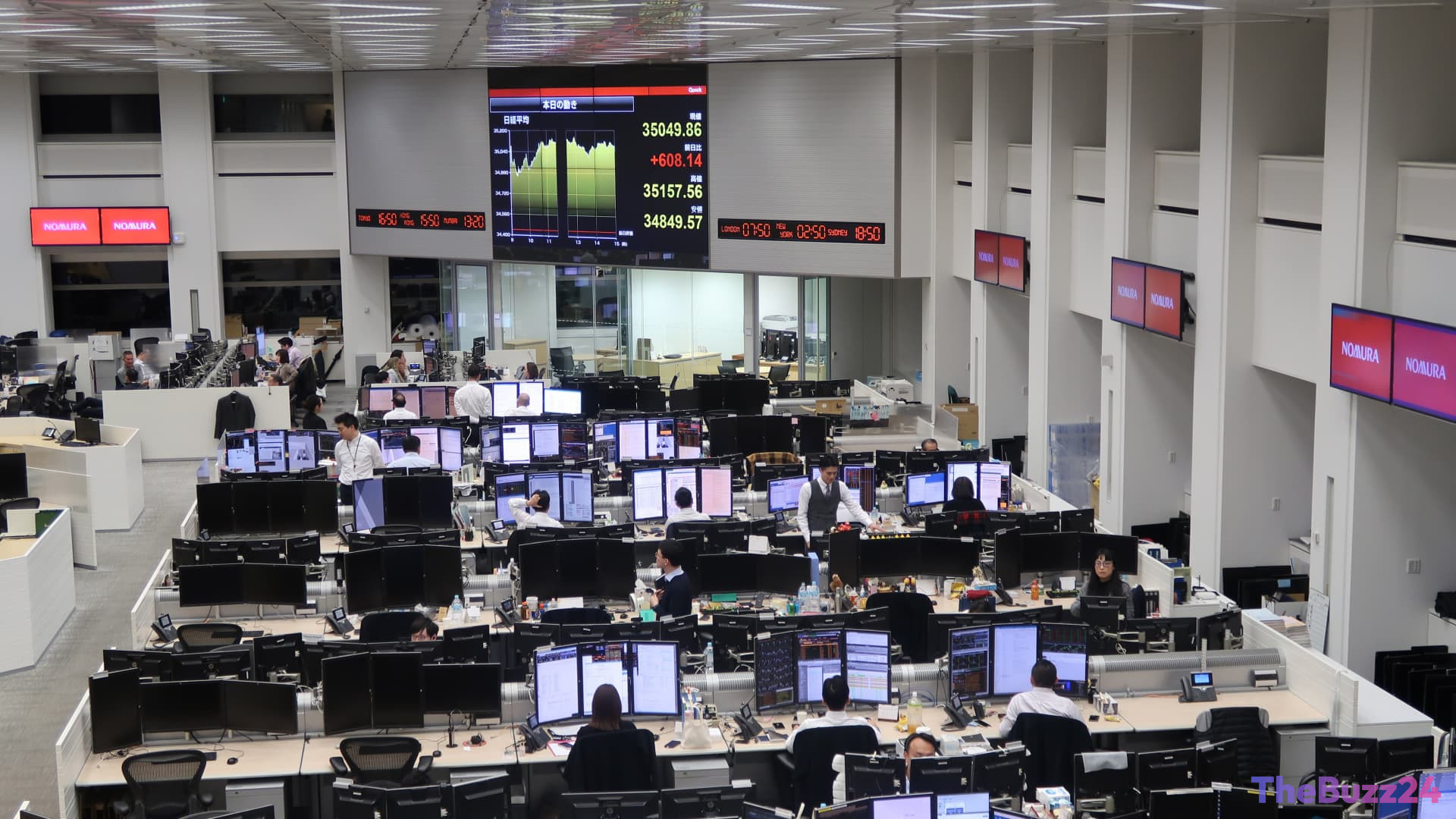
South Korean equities surged to unprecedented heights on Monday, building on a historic rally from April. This upward momentum comes as global investors closely monitor escalating geopolitical tensions in the Middle East and a major new military initiative by the United States aimed at securing critical shipping lanes.
The market movement follows an announcement by U.S. President Donald Trump regarding “Project Freedom,” a military-backed operation designed to escort and free civilian vessels currently stranded in the Strait of Hormuz due to the ongoing conflict with Iran. Scheduled to commence on Monday, Middle East time, the operation will focus on assisting non-conflict-affiliated merchant ships. According to U.S. Central Command, the mission will deploy substantial military assets, including guided-missile destroyers, over 100 aircraft, unmanned systems, and approximately 15,000 service members.
The announcement of the maritime security operation led to an immediate easing of energy supply concerns, causing global oil prices to retreat. West Texas Intermediate (WTI) crude futures dipped to $101.34 per barrel, while Brent crude fell slightly to $107.88 per barrel. Meanwhile, broader Asia-Pacific markets showed mixed performance; while South Korea reached new peaks and Hong Kong futures pointed upward, Australian shares edged lower, and major markets in Japan and China remained closed for public holidays.
In the United States, stock futures hovered near flatline levels following a mixed performance on Friday, where both the S&P 500 and Nasdaq Composite achieved fresh record highs despite a slight decline in the Dow Jones Industrial Average. Investors continue to balance corporate earnings reports against the fluid geopolitical landscape in the Middle East.
Key Takeaways
- South Korean stock markets reached historic highs, continuing a strong upward trend from April.
- The U.S. launched 'Project Freedom,' deploying 15,000 troops and naval assets to secure civilian shipping in the Strait of Hormuz.
- Global oil prices fell slightly as the military initiative eased immediate concerns over energy supply disruptions.
Editor’s Analysis & Impact
The launch of ‘Project Freedom’ highlights the critical intersection of geopolitical stability and global market performance. By actively securing the Strait of Hormuz—a vital chokepoint through which a significant portion of the world’s petroleum passes—the U.S. military intervention has temporarily alleviated fears of a severe energy supply shock. This is reflected in the immediate, albeit modest, decline in crude oil prices. For equity markets, particularly in export-heavy nations like South Korea, the prospect of stabilized shipping routes provides a strong boost to investor confidence. However, the heavy military footprint also introduces risks of escalation. If the operation successfully deters further disruptions without sparking direct conflict, global markets may sustain their bullish momentum; conversely, any military misstep could trigger rapid volatility across energy and equity sectors.
Frequently Asked Questions
Q: What is 'Project Freedom'?
A: Project Freedom is a U.S. military-led initiative designed to safely escort and free civilian merchant ships stranded in the Strait of Hormuz due to regional conflict.
Q: How did energy markets react to the announcement?
A: Crude oil prices fell slightly, with West Texas Intermediate and Brent crude both experiencing minor declines as supply disruption fears eased.
Q: Why did South Korean stocks reach record highs?
A: South Korean equities benefited from strong domestic momentum carried over from April, further bolstered by investor optimism surrounding the stabilization of global trade routes.
AI Disclosure: This article is based on verified data and official reports. Our Team and AI have cross-referenced every financial detail with primary sources to ensure total accuracy.
More from this Category