Decentralized Power: Span Partners with Nvidia and PulteGroup to Bring Mini Data Centers to Residential Homes
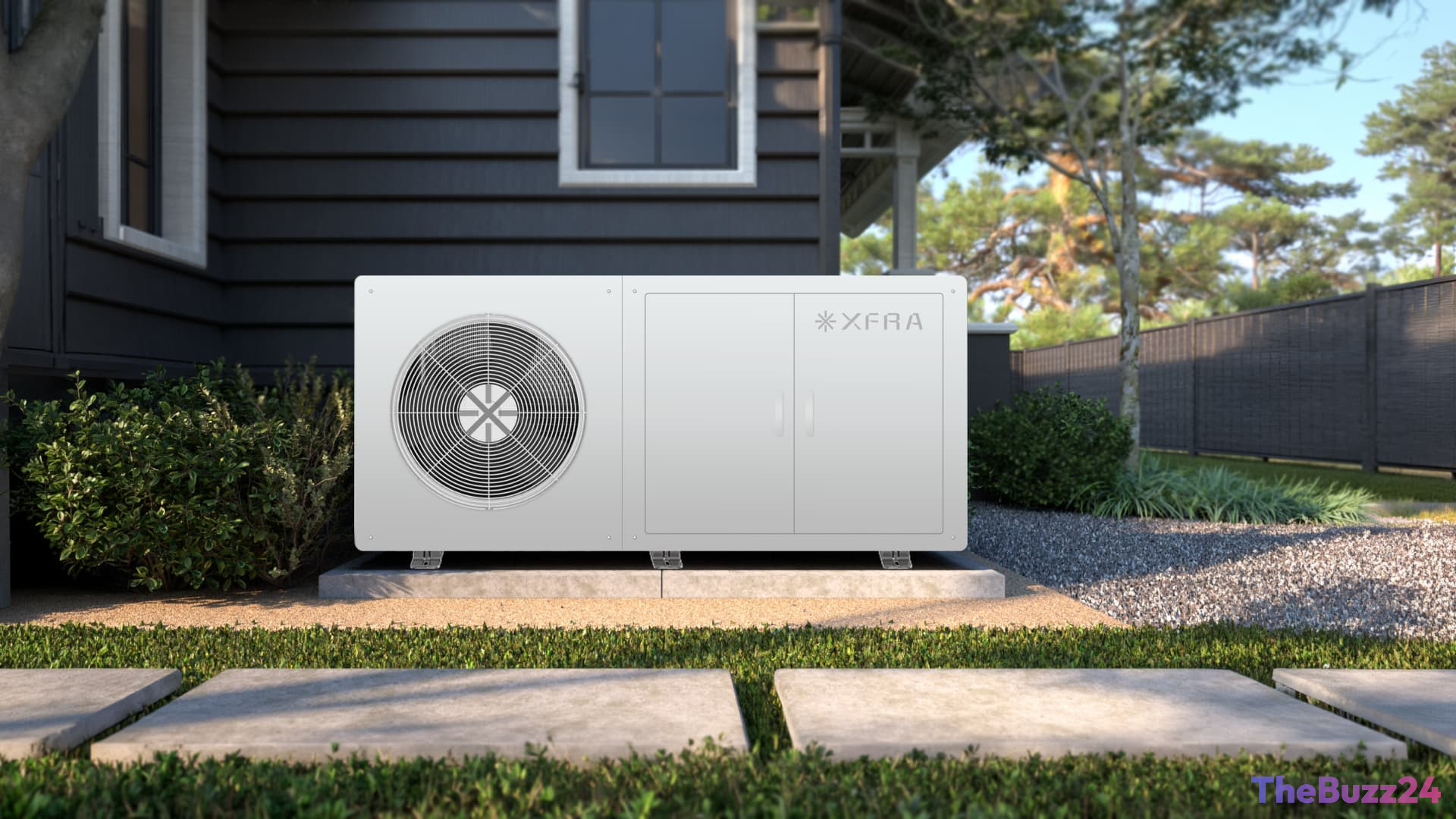
In an innovative shift toward decentralized computing, California-based startup Span has unveiled a new technology designed to turn residential homes into micro-data centers. The company has developed compact, fractional data center nodes known as XFRA units. These small-scale installations are designed to integrate directly into residential properties, tapping into a resource that has long gone underutilized: excess electrical capacity on local power grids.
To identify and harness this unused energy, Span utilizes its proprietary smart electrical panels. These advanced panels are capable of pinpointing precise moments and locations where local grids have surplus power. By routing this excess electricity to the localized XFRA units, the system can perform complex computing tasks without overloading the grid or requiring massive, centralized data center infrastructure.
The hardware driving these residential nodes is powered by high-performance graphics processing units (GPUs) from tech giant Nvidia. This collaboration ensures that the mini-data centers have the computational power necessary to handle demanding workloads, such as artificial intelligence processing and complex data simulations. By distributing these workloads across thousands of homes, the system aims to create a highly resilient and efficient computing network.
To test the real-world viability of this technology, homebuilder PulteGroup has stepped in to pilot the systems. PulteGroup is currently testing the XFRA units and Span smart panels in a select number of residential communities. This pilot program will help determine how effectively the decentralized nodes operate in everyday neighborhood settings and could pave the way for a broader rollout of grid-interactive smart homes in the near future.
Key Takeaways
- Startup Span has developed 'XFRA' units, which are miniature, residential data center nodes.
- The system utilizes Nvidia GPUs for processing power and Span's smart panels to identify and use excess local grid capacity.
- Homebuilder PulteGroup is actively piloting the technology in select residential communities to test its viability.
Editor’s Analysis & Impact
The convergence of residential energy management and high-performance computing represents a fascinating frontier in both the tech and energy sectors. As artificial intelligence and cloud computing demand unprecedented levels of power, traditional centralized data centers are facing severe grid constraints and environmental scrutiny. Span’s approach, powered by Nvidia’s industry-leading GPUs, offers a creative solution by decentralizing the physical footprint of computing infrastructure. By utilizing the unused capacity of local grids through smart panels, this model could optimize energy efficiency and provide homeowners with new utility incentives. Partnering with a major homebuilder like PulteGroup is a crucial step, as widespread adoption will rely heavily on integrating these systems during the initial construction phase of modern smart homes. If successful, this pilot could signal a shift toward a more distributed, resilient, and grid-friendly computing future.
Frequently Asked Questions
Q: What are Span's XFRA units?
A: XFRA units are small, fractional data center nodes designed by startup Span to be installed in residential homes, turning them into decentralized computing hubs.
Q: How do these mini data centers power themselves without straining the grid?
A: They utilize Span's smart electrical panels to detect and harness unused electrical capacity on local grids, operating primarily when there is surplus power available.
Q: Who is currently testing this technology?
A: Homebuilder PulteGroup is piloting the XFRA units and Span smart panels in several select residential communities to evaluate their real-world performance.
AI Disclosure: This article is based on verified data and official reports. Our Team and AI have cross-referenced every financial detail with primary sources to ensure total accuracy.
More from this Category