Ford’s Secret ‘Skunk Works’ Team Unveils Platform to Revolutionize EV Profitability
Ford is doubling down on its electric vehicle ambitions, leveraging a previously secretive development unit in Long Beach, California, to engineer a path toward profitability. At the heart of this strategy is the ‘Universal Electric Vehicle’ (UEV) platform, a clean-sheet design intended to drastically reduce production costs and complexity. By streamlining manufacturing processes—such as utilizing megacasting and reducing the total number of parts—the company aims to make its future electric lineup cost-competitive with both traditional gas-powered vehicles and the rapidly advancing offerings from Chinese manufacturers.
The first vehicle slated for this new platform is a midsize electric pickup truck, expected to hit the market next year with a target price point of approximately $30,000. This project represents a significant pivot for the automaker, which has faced billions in losses within its electric vehicle division. By focusing on smaller, more efficient designs rather than the massive, battery-heavy vehicles that previously struggled to gain traction, leadership believes they can achieve breakeven status for their EV unit by 2029.
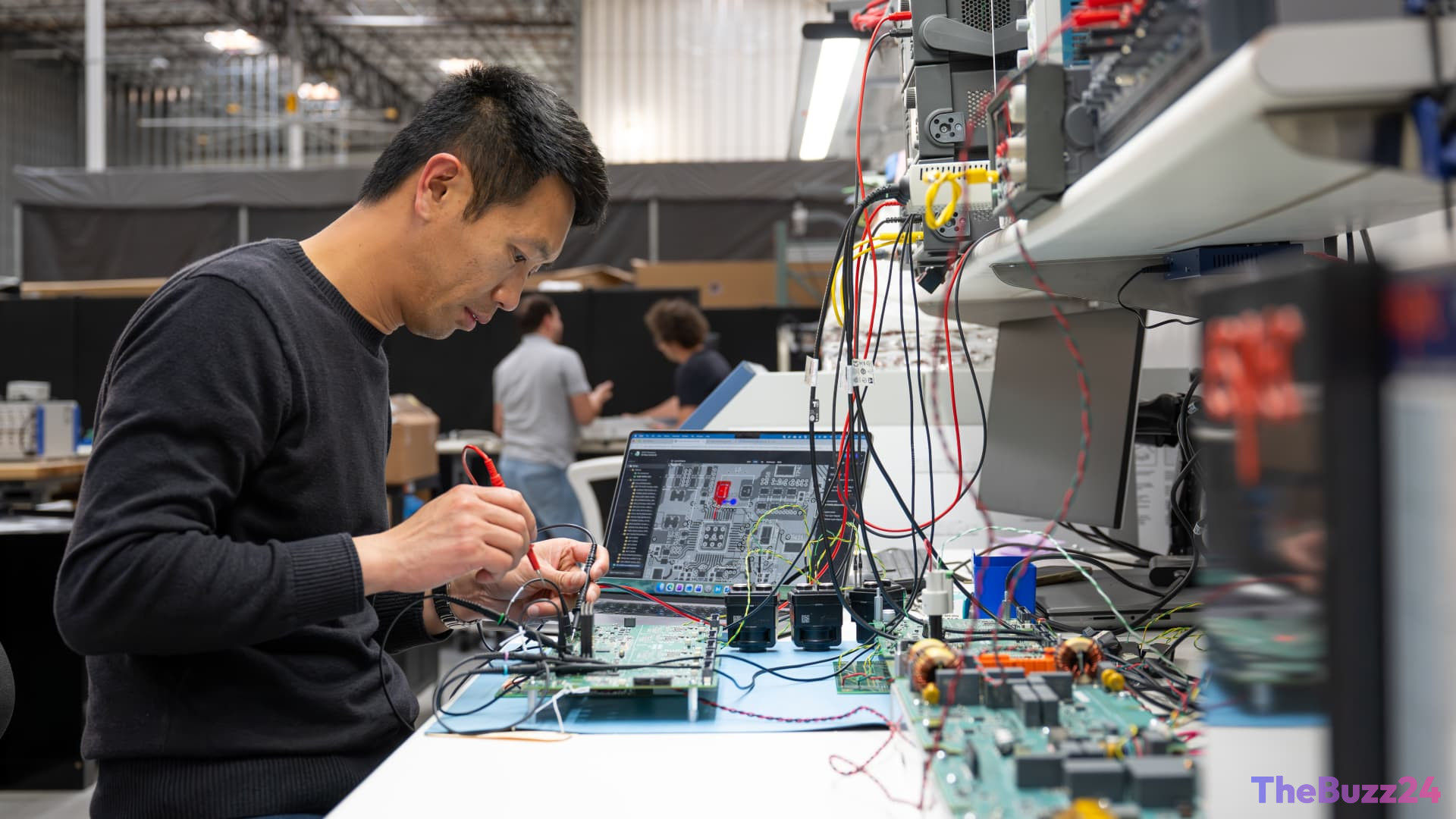
Despite industry-wide headwinds, including a cooling in consumer demand and the departure of key executive talent, the Long Beach team remains focused on agility. The facility, which houses hundreds of engineers from diverse backgrounds including aerospace and tech, serves as a hub for rethinking the entire vehicle development lifecycle. Ford is now working to integrate these ‘skunk works’ breakthroughs into its broader product portfolio, hoping to replicate the rapid innovation cycles seen in the consumer electronics industry.
While the company acknowledges the intense pressure from international competitors, particularly those in China who benefit from shorter development cycles and lower labor costs, it remains optimistic. The goal is to create a flexible, scalable architecture that can adapt to shifting market conditions. By prioritizing manufacturing efficiency and aggressive cost-cutting measures, the automaker is betting that this new approach will finally bridge the gap between high-tech electric mobility and mass-market affordability.
Key Takeaways
- Ford is utilizing a secretive 'skunk works' team in California to develop a new Universal Electric Vehicle (UEV) platform designed to reach profitability by 2029.
- The first vehicle on the UEV platform will be a midsize electric pickup truck, targeting a $30,000 price point to compete with gas-powered alternatives.
- The company is adopting advanced manufacturing techniques like megacasting to reduce parts, assembly time, and overall production costs compared to previous EV models.
Editor’s Analysis & Impact
Ford’s shift toward a ‘skunk works’ model signals a broader industry realization: traditional automotive manufacturing processes are too slow and expensive to compete in the modern EV era. By isolating a small, agile team from corporate bureaucracy, Ford is attempting to mimic the rapid iteration cycles of tech startups. The success of the UEV platform is critical; the company has already suffered significant financial setbacks with previous EV launches like the F-150 Lightning and the canceled three-row SUV. If this $30,000 pickup fails to gain market share, it could force a permanent retreat from aggressive electrification. However, if successful, the platform could serve as a blueprint for the entire company, potentially stabilizing its long-term financial health against the looming threat of low-cost, high-tech Chinese imports.
Frequently Asked Questions
Q: What is the UEV platform?
A: The Universal Electric Vehicle (UEV) platform is a new, clean-sheet vehicle architecture developed by Ford to reduce production costs, simplify assembly, and improve the profitability of its electric vehicle lineup.
Q: When will the first vehicle based on the UEV platform be released?
A: Ford plans to launch a midsize electric pickup truck based on the UEV platform, with an expected market entry next year.
AI Disclosure: This article is based on verified data and official reports. Our Team and AI have cross-referenced every financial detail with primary sources to ensure total accuracy.
More from this Category