U.S. Halts ‘Project Freedom’ Naval Initiative Amid Strait of Hormuz Standoff
The United States has officially suspended ‘Project Freedom,’ a military operation recently established to assist commercial vessels stranded in the Strait of Hormuz. The initiative, which was designed to facilitate the safe passage of ships following the closure of the critical waterway by Iran, was halted by President Donald Trump just days after its launch. The administration indicated that the pause is intended to provide a window for potential diplomatic negotiations between Washington and Tehran.
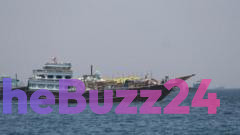
The Strait of Hormuz has remained largely inaccessible since late February, following a series of airstrikes that prompted Iran to block the passage. As a vital artery for global energy, the strait typically handles approximately 20% of the world’s oil and liquefied natural gas. Before the pause, U.S. Central Command had deployed guided-missile destroyers and aircraft to the region to protect an estimated 1,550 commercial vessels and 22,500 mariners currently trapped, many of whom are facing critical supply shortages.
The operation was marked by immediate military friction, with reports of Iranian forces firing upon U.S. warships and commercial vessels. While the U.S. military confirmed it engaged and neutralized several small Iranian boats that were targeting civilian ships, Iran has denied these reports, insisting that all vessels must obtain official authorization to transit the area. Security experts have expressed concern that the operation was inherently escalatory, noting that the current ceasefire remains extremely fragile.
Despite the suspension of the initiative, the White House maintains that the decision is a strategic maneuver aimed at fostering a broader diplomatic agreement rather than a retreat. However, the ongoing uncertainty continues to disrupt global shipping lanes, with industry groups calling for more formal coordination. As intermediaries, including Pakistan, continue to facilitate talks, the international community remains focused on whether this pause will lead to a sustainable resolution or if it serves as a precursor to further regional hostilities.
Key Takeaways
- The U.S. has paused 'Project Freedom,' a naval operation intended to escort commercial ships through the blocked Strait of Hormuz.
- The waterway, which carries 20% of global oil and gas, has been effectively closed since late February following regional airstrikes.
- The administration claims the pause is a strategic move to allow for diplomatic negotiations, despite ongoing military friction and reports of direct combat between U.S. and Iranian forces.
Editor’s Analysis & Impact
The suspension of ‘Project Freedom’ highlights the precarious balance between maintaining freedom of navigation and avoiding a full-scale regional conflict. By pausing the initiative, the U.S. is signaling a preference for de-escalation, likely driven by the immense economic pressure of global energy supply chain disruptions. However, the move carries significant risks; a power vacuum in the Strait of Hormuz could embolden Iranian maritime maneuvers or lead to further instability if diplomatic channels fail to produce a concrete agreement. The market impact is likely to remain volatile, as shipping companies and energy traders await clarity on whether the waterway will reopen under international protection or remain a contested zone. The long-term outlook depends heavily on the success of third-party intermediaries in bridging the deep-seated mistrust between the U.S. and Iran.
Frequently Asked Questions
Q: Why was 'Project Freedom' initiated?
A: The operation was launched to assist and protect approximately 1,550 commercial vessels and their crews that became stranded in the Strait of Hormuz after Iran blocked the waterway.
Q: What is the current status of the Strait of Hormuz?
A: The strait remains largely inaccessible to commercial traffic, causing significant concerns regarding global energy supplies and the welfare of mariners trapped in the region.
AI Disclosure: This article is based on verified data and official reports. Our Team and AI have cross-referenced every financial detail with primary sources to ensure total accuracy.
More from this Category