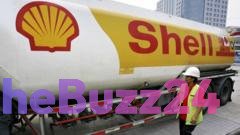
Shell Reports Profit Surge as Global Energy Markets React to Strait of Hormuz Crisis
Shell has joined a growing list of energy majors reporting significant profit increases, driven by the volatility and price spikes in global oil markets following the outbreak of conflict involving Iran. The company announced quarterly profits of $6.92 billion, comfortably exceeding analyst expectations and marking a notable rise from the $5.58 billion recorded during the same period last year. This financial performance reflects the broader trend across the energy sector, where companies are capitalizing on the disruption of key shipping lanes.
The current market instability is largely attributed to the effective closure of the Strait of Hormuz, a critical maritime chokepoint that typically facilitates the transit of approximately 20% of the world’s oil and liquid natural gas supplies. The resulting price swings in Brent crude, which have seen values fluctuate significantly, have created lucrative opportunities for oil trading desks. By exploiting the widening gap between buying and selling prices, firms like Shell have managed to bolster their bottom lines despite operational challenges, including production declines in regions affected by the conflict.
Beyond trading gains, Shell’s refining business has benefited from higher margins as crude is converted into essential products like petrol and jet fuel. However, the company is not immune to the conflict’s physical impact; production in Qatar has been hampered, and infrastructure damage has been reported at key sites. As Shell continues its expansion strategy—highlighted by the recent $16.4 billion acquisition of ARC Resources—the company faces mounting pressure from environmental advocates who are calling for increased windfall taxes to address the disparity between corporate earnings and the rising cost of living for households.
Meanwhile, the ripple effects of the energy crisis are extending to the global logistics sector. Shipping giant Maersk has indicated that it is passing on the half-billion dollars in additional monthly energy costs to its customers to maintain operational integrity. As industry leaders navigate the uncertainty surrounding the potential reopening of the Strait of Hormuz and the possibility of future toll charges, the broader economic implications of sustained high energy prices remain a primary concern for global inflation and consumer demand.
Key Takeaways
- Shell reported a quarterly profit of $6.92 billion, driven by high oil prices and successful trading strategies amidst geopolitical instability.
- The closure of the Strait of Hormuz has created significant market volatility, allowing energy firms to capitalize on price fluctuations and refining margins.
- Environmental groups and policymakers are intensifying calls for higher windfall taxes on energy giants as household energy costs continue to climb.
Editor’s Analysis & Impact
The current surge in energy profits highlights the inherent volatility of the global commodity market when critical infrastructure is compromised. While energy majors are currently enjoying a windfall from trading and refining, the long-term outlook is fraught with risk. The potential for sustained high energy prices threatens to dampen global economic growth by fueling inflation and increasing operational costs for logistics and manufacturing sectors. Furthermore, the political pressure to implement or increase windfall taxes suggests that these companies may face a more challenging regulatory environment in the coming years. Investors should remain cautious, as the profitability of these firms is currently tied more to geopolitical disruption than to organic growth, making their future performance highly sensitive to any resolution or escalation in the Middle East.
Frequently Asked Questions
Q: Why are oil companies reporting higher profits despite the conflict?
A: Companies are benefiting from increased volatility in oil prices, which allows their trading divisions to capture larger margins, alongside higher profit margins in their refining operations.
Q: What is the significance of the Strait of Hormuz to the energy market?
A: The Strait of Hormuz is a vital maritime chokepoint that handles approximately 20% of global oil and liquid natural gas supplies; its closure significantly restricts supply, driving up global prices.
AI Disclosure: This article is based on verified data and official reports. Our Team and AI have cross-referenced every financial detail with primary sources to ensure total accuracy.
More from this Category