Paul Tudor Jones Forecasts Extended AI Bull Run Amid Long-Term Caution
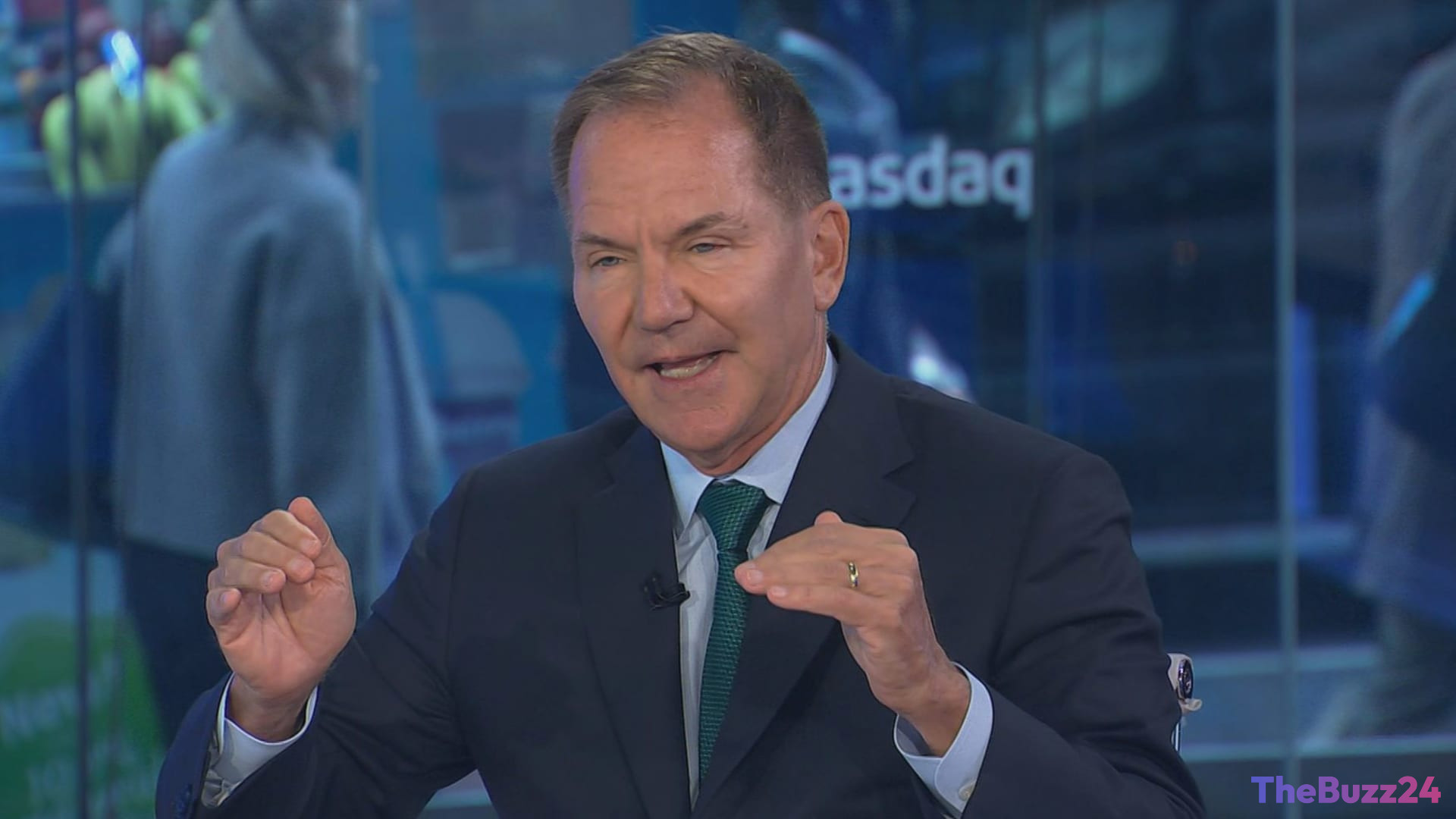
Renowned hedge fund manager Paul Tudor Jones has projected that the ongoing artificial intelligence market rally is far from over, suggesting the current momentum could sustain itself for another 12 to 24 months. Drawing historical parallels, Jones compared the current AI boom to the rise of Microsoft in the 1980s and the internet revolution of the 1990s. He posits that the global economy is currently situated in the middle of a multi-year productivity cycle driven by these technological advancements.
While Jones is actively increasing his exposure to AI-linked assets through strategic macro-trading, he remains wary of the long-term risks. He highlighted striking similarities between today’s market environment and the period immediately preceding the dot-com bubble. According to Jones, while the short-term outlook remains bullish, investors should prepare for significant volatility and a potential market correction once the current growth phase reaches its natural exhaustion point.
Beyond the financial landscape, Jones has voiced concerns regarding the broader societal implications of rapid AI development. He advocates for increased government oversight and regulation, arguing that unchecked technological evolution poses potential risks to humanity. His current investment strategy reflects a calculated approach: capturing the upside of the AI revolution while maintaining a defensive posture against the inevitable market cycles that follow periods of extreme expansion.
Key Takeaways
- Paul Tudor Jones expects the AI-driven market rally to continue for another one to two years.
- The current AI boom is being compared to the historical growth cycles of Microsoft and the internet.
- Despite short-term optimism, Jones warns of a potential market correction similar to the dot-com bubble crash.
Editor’s Analysis & Impact
Paul Tudor Jones’s perspective highlights the classic tension between technological optimism and cyclical market reality. By framing AI as a productivity cycle akin to the internet revolution, he validates the current valuation premiums placed on tech leaders. However, his warning regarding the ‘dot-com’ parallels serves as a critical reminder that even transformative technologies are subject to speculative bubbles. For investors, the implication is clear: the AI trade is currently a momentum-driven play that requires a disciplined exit strategy. Looking forward, the intersection of AI regulation and market performance will likely become a primary driver of volatility. As governments move to implement oversight, the ‘unchecked’ growth phase may face headwinds, forcing the market to transition from a narrative-driven rally to one based on tangible, sustainable earnings and productivity gains.
Frequently Asked Questions
Q: How long does Paul Tudor Jones expect the AI market rally to last?
A: He estimates that the current bull run driven by artificial intelligence could persist for another one to two years.
Q: What are the primary risks associated with AI according to Jones?
A: Beyond market volatility and potential bubbles, Jones is concerned about the long-term societal impact of AI and advocates for government regulation to mitigate risks to humanity.
AI Disclosure: This article is based on verified data and official reports. Our Team and AI have cross-referenced every financial detail with primary sources to ensure total accuracy.
More from this Category