Federal Regulators Launch Investigation into Avride Autonomous Vehicle Safety After Series of Crashes
Federal safety authorities have launched a formal inquiry into the autonomous vehicle developer Avride following a string of traffic accidents involving its self-driving technology. The Office of Defects Investigation is currently scrutinizing 16 specific incidents where the company’s software reportedly failed to operate safely. These documented failures include unpredictable lane movements, an inability to detect stationary objects, and difficulties navigating around other motorists on the road.
A critical point of the investigation is that every single collision occurred while a human safety monitor was present in the vehicle. This has prompted questions regarding the reliability of human intervention during autonomous operations. Among the incidents is a collision in Dallas where a robotaxi struck a parked truck, causing minor injuries. Other reported issues involve the vehicle striking vans and dumpsters, as well as struggling to manage merging traffic.
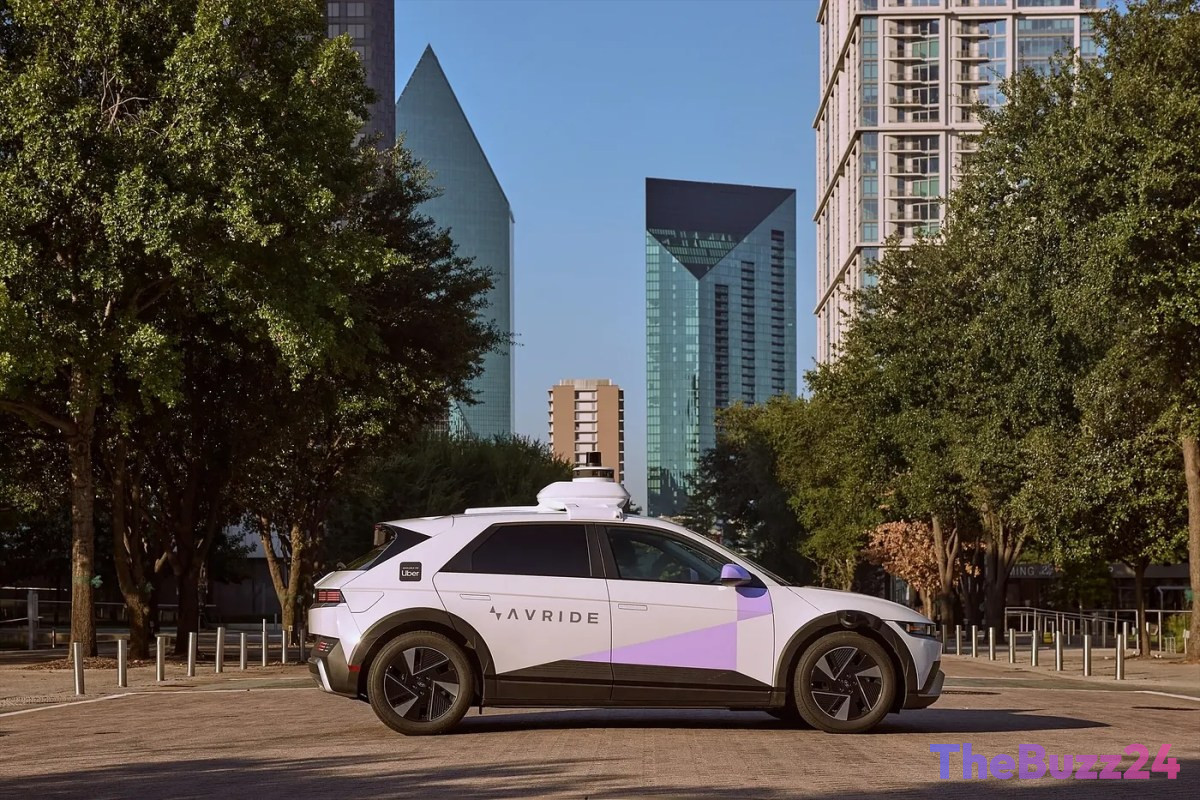
Avride, a subsidiary of the Dutch firm Nebius, is currently scaling its operations in markets such as Austin and Dallas through a partnership with Uber. While the company maintains that it has already deployed technical updates to fix these software vulnerabilities and is cooperating with officials, the probe highlights the increasing regulatory scrutiny on the autonomous driving industry. As robotaxi services move closer to mainstream adoption, this investigation could significantly impact future safety standards and deployment protocols.
Key Takeaways
- Federal investigators are reviewing 16 documented collisions involving Avride's autonomous driving software.
- All recorded accidents occurred despite the presence of human safety monitors in the driver's seat.
- Avride is expanding its robotaxi presence in Texas through a strategic partnership with Uber.
Editor’s Analysis & Impact
The federal investigation into Avride represents a significant hurdle for the autonomous vehicle industry as it attempts to transition from testing to widespread commercial use. The fact that all 16 incidents occurred with human monitors present suggests that the current ‘safety driver’ model may not be a sufficient safeguard against software errors. This scrutiny could lead to more rigorous federal oversight and stricter certification processes for autonomous software. For companies like Avride and their partners, the outcome of this probe will likely determine the regulatory landscape for years to come. If systemic software flaws are identified, the industry may face mandatory recalls and a slowdown in deployment, forcing a fundamental reassessment of how autonomous systems are validated for public roads.
Frequently Asked Questions
Q: What specific software failures are being investigated regarding Avride?
A: The investigation is focused on performance issues such as erratic lane changes, failure to identify stationary objects, and difficulties navigating around other vehicles.
Q: Were human monitors involved in the reported accidents?
A: Yes, all 16 incidents under investigation occurred while a human safety monitor was present in the driver's seat, raising questions about the effectiveness of human oversight.
AI Disclosure: This article is based on verified data and official reports. Our Team and AI have cross-referenced every financial detail with primary sources to ensure total accuracy.
More from this Category