Nvidia’s $40 Billion Strategic Pivot: Building an AI Empire from the Inside Out
Nvidia is fundamentally reshaping its corporate identity, evolving from a traditional semiconductor manufacturer into the primary architect of the global artificial intelligence ecosystem. With over $40 billion in equity commitments deployed this year, the company is aggressively securing its position by funding the critical infrastructure required to sustain the AI boom. Recent high-profile capital injections, including a $3.2 billion partnership with Corning and a $2.1 billion investment in data center operator IREN, highlight a deliberate effort to fortify supply chains and expand the company’s operational footprint.
The core of Nvidia’s strategy lies in a sophisticated, circular investment model. By acquiring stakes in firms that rely heavily on its proprietary hardware and software, the company is effectively financing its own customer base. This approach creates a formidable competitive moat, ensuring that as the AI sector matures, it remains inextricably linked to Nvidia’s technology stack. The company has already extended its reach to industry titans such as OpenAI, Anthropic, and Elon Musk’s xAI, alongside specialized infrastructure providers like CoreWeave and Nebius Group.
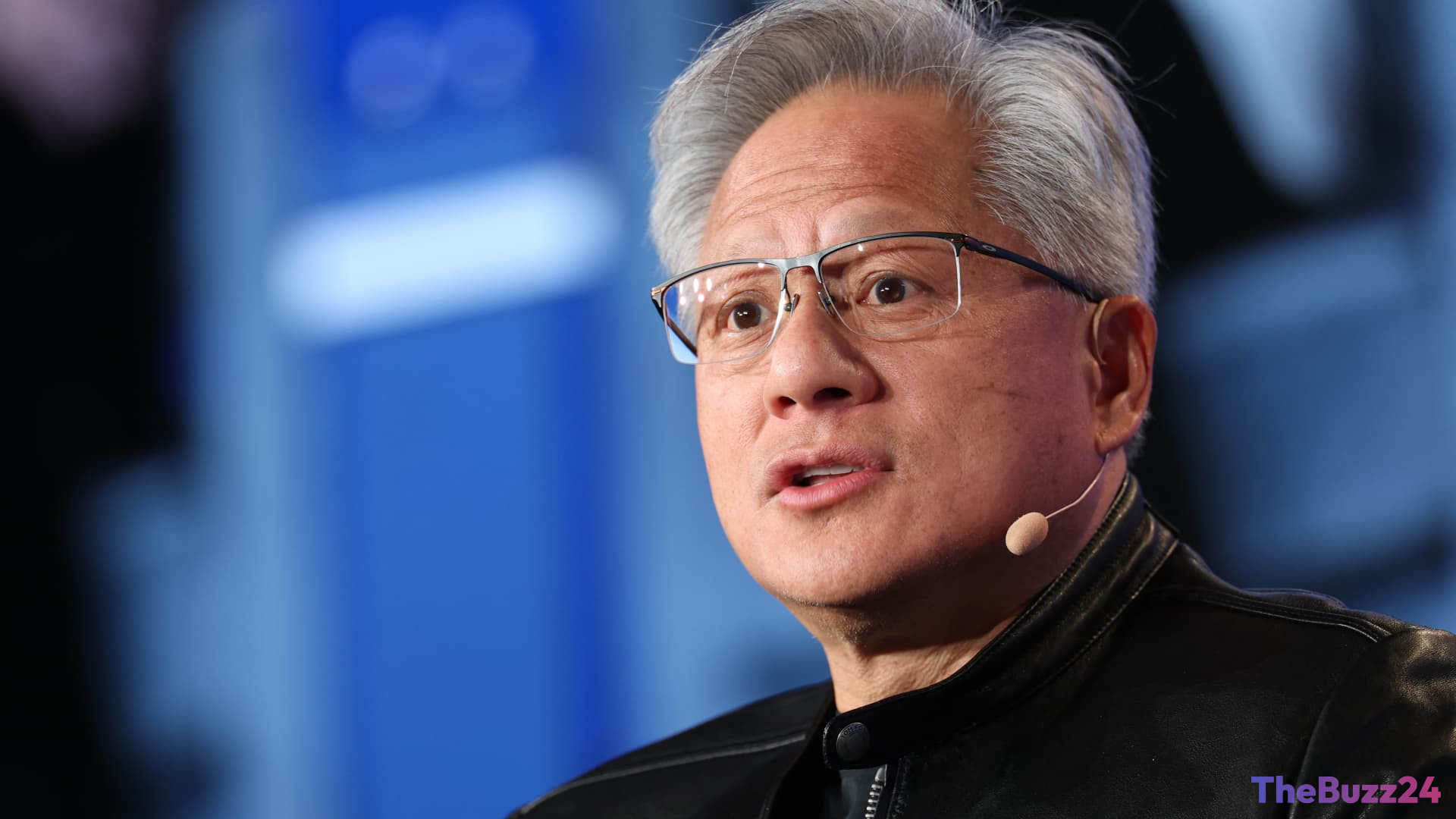
Despite the historic financial returns generated by this strategy, the aggressive investment pace has invited scrutiny from market observers. Critics have questioned whether these capital allocations function as a form of vendor financing designed to artificially inflate demand for Nvidia’s chips. CEO Jensen Huang has countered these concerns, maintaining that the objective is to nurture the broader foundation model landscape rather than selecting individual winners. As Nvidia continues to weave this complex web of partnerships, its ability to navigate the resulting regulatory and market pressures will remain a central theme for investors.
Key Takeaways
- Nvidia has committed over $40 billion to equity investments, targeting companies across the entire AI infrastructure spectrum.
- The company is utilizing a circular investment model, funding firms that rely on its hardware to ensure long-term ecosystem integration.
- While the strategy has driven significant growth, it faces scrutiny over whether these investments serve as vendor financing to boost demand for Nvidia products.
Editor’s Analysis & Impact
Nvidia’s current investment strategy represents a masterclass in vertical integration and market dominance. By acting as both a supplier and a venture capitalist, the company is effectively subsidizing the growth of its own ecosystem, creating a ‘lock-in’ effect that is difficult for competitors to penetrate. This strategy minimizes the risk of demand volatility by ensuring that the most influential AI players are financially tethered to Nvidia’s hardware. However, this approach carries significant long-term risks, including potential antitrust scrutiny and the danger of over-exposure if the AI bubble experiences a correction. If the companies Nvidia is funding fail to achieve profitability, the resulting write-downs could impact Nvidia’s balance sheet. Ultimately, the company is betting that its hardware will remain the ‘picks and shovels’ of the AI gold rush, regardless of which specific AI models eventually dominate the market.
Frequently Asked Questions
Q: Why is Nvidia investing billions into companies that use its products?
A: Nvidia is using these investments to secure its supply chain, foster the growth of the AI ecosystem, and ensure that emerging AI companies remain committed to using Nvidia’s proprietary hardware and software.
Q: What is the 'circular' investment model mentioned in the report?
A: The circular model refers to Nvidia investing in companies that are also its customers. By financing these firms, Nvidia helps them grow, which in turn drives sustained demand for Nvidia’s own technology.
AI Disclosure: This article is based on verified data and official reports. Our Team and AI have cross-referenced every financial detail with primary sources to ensure total accuracy.
More from this Category