Rising Casualties in Lebanon as Cross-Border Conflict Intensifies
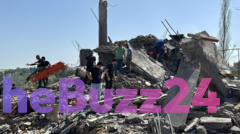
A wave of intensified airstrikes across Lebanon has resulted in at least 39 fatalities, marking a significant escalation in the ongoing regional conflict. Among the most severe incidents was an attack in the southern town of Saksakiyeh, which claimed the lives of seven people, including a child, and left 15 others injured. Military operations in the region are reportedly focused on targeting infrastructure and personnel linked to Hezbollah, with officials asserting that measures are being taken to minimize civilian impact through precision targeting.
The humanitarian toll continues to climb, with total casualties over the past week exceeding 120. The violence has increasingly affected non-combatants, including women and children, as drone strikes continue to target individuals in transit. A notable incident in Nabatieh resulted in the death of a Syrian national and left his young daughter in critical condition, highlighting the pervasive danger facing civilians in the region.
In response, Hezbollah has continued its retaliatory efforts, deploying explosive drones into northern Israel. A recent strike near the border wounded three Israeli army reservists, one of whom remains in serious condition. The Israeli military continues to maintain a presence along the border, aiming to secure a buffer zone intended to protect northern communities from rocket and drone fire. This cycle of bombardment has led to extensive destruction of local infrastructure, drawing mounting concern from the international community regarding the long-term stability of the region and the escalating human cost of the hostilities.
Key Takeaways
- At least 39 people were killed in recent airstrikes across Lebanon, bringing the weekly death toll to over 120.
- Hezbollah continues to launch retaliatory explosive drone strikes into northern Israel, resulting in injuries to military personnel.
- The conflict has caused widespread destruction of infrastructure and raised urgent humanitarian concerns regarding the safety of civilians in southern Lebanon.
Editor’s Analysis & Impact
The current escalation represents a dangerous inflection point in the conflict, as the tactical shift toward persistent drone warfare and localized ground operations complicates traditional ceasefire efforts. The destruction of civilian infrastructure in southern Lebanon, coupled with the ongoing displacement of populations in northern Israel, suggests that the conflict is moving toward a protracted war of attrition rather than a short-term skirmish. From a geopolitical perspective, the inability of international mediators to secure a lasting truce indicates a widening gap between the strategic objectives of the involved parties. Future stability remains highly uncertain, as the risk of miscalculation increases with every exchange of fire. The broader implication is a deepening humanitarian crisis that will likely require long-term international intervention to address the eventual reconstruction and security needs of the border region.
Frequently Asked Questions
Q: What is the primary cause of the current escalation in the region?
A: The escalation is driven by a cycle of retaliatory strikes, with military operations targeting Hezbollah infrastructure in Lebanon and Hezbollah responding with drone and rocket attacks into northern Israel.
Q: How is the conflict affecting the civilian population?
A: The conflict has resulted in significant civilian casualties, including women and children, and has caused widespread destruction of villages and infrastructure, leading to a dire humanitarian situation.
AI Disclosure: This article is based on verified data and official reports. Our Team and AI have cross-referenced every financial detail with primary sources to ensure total accuracy.
More from this Category