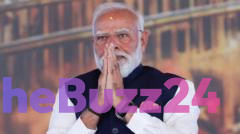
India Urges National Austerity Measures as Energy Crisis Deepens
Prime Minister Narendra Modi has formally requested that Indian citizens adopt a series of austerity measures to combat the mounting economic pressure caused by the global energy crisis. The call to action includes recommendations for increased work-from-home arrangements, a reduction in non-essential foreign travel, and a voluntary limit on gold acquisitions. These steps are designed to alleviate the fiscal burden on the nation as it grapples with the fallout from the ongoing conflict in the Middle East, which has resulted in the prolonged closure of the Strait of Hormuz.
As a nation that relies on imports for 90% of its oil, India is facing an unprecedented surge in its crude oil import bill. During a public address in Hyderabad, the Prime Minister emphasized that these lifestyle shifts are a matter of national duty. The government is also promoting the use of public transportation and carpooling to conserve fuel, while simultaneously urging the agricultural sector to cut fertilizer usage by 50% to optimize resource management. These directives have sent shockwaves through the financial markets, with the Sensex index dropping over 1,000 points as investors react to the potential for long-term economic instability.
The economic strain is becoming increasingly visible, with the Indian rupee reaching record lows against the U.S. dollar and various industrial sectors reporting operational challenges. While the government has maintained stable fuel prices at the pump for the time being, experts warn that official price hikes or stricter rationing may be unavoidable if the supply chain disruption persists. Opposition figures, including Rahul Gandhi, have criticized the administration, suggesting that the government is offloading the consequences of economic mismanagement onto the general public.
India’s situation reflects a broader global trend, as the closure of the Strait of Hormuz is being cited by energy experts as one of the most significant supply disruptions in modern history. Countries across Asia are implementing similar emergency protocols, including fuel rationing and shortened work weeks, as the international community struggles to navigate the severe energy shortfall.
Key Takeaways
- India is implementing national austerity measures, including work-from-home and reduced fuel consumption, to combat the energy crisis.
- The closure of the Strait of Hormuz has caused a massive spike in India's crude oil import costs, impacting the rupee and the stock market.
- The government's call for resource conservation has faced political pushback, with critics arguing the public is being unfairly burdened.
Editor’s Analysis & Impact
The current energy crisis, triggered by the closure of the Strait of Hormuz, represents a critical stress test for India’s economic resilience. By pivoting toward austerity, the government is attempting to manage a widening trade deficit and protect foreign exchange reserves. However, the market’s negative reaction—evidenced by the sharp decline in the Sensex—highlights deep-seated investor anxiety regarding the sustainability of these measures. If the supply disruption continues, the government will likely face a difficult choice between further subsidizing fuel costs, which would strain the fiscal deficit, or passing costs to consumers, which could trigger significant social and political unrest. The long-term outlook remains precarious, as India’s heavy reliance on imported energy leaves it uniquely vulnerable to geopolitical volatility in the Middle East, necessitating a faster transition toward domestic energy independence.
Frequently Asked Questions
Q: Why is India facing an energy crisis?
A: India is facing an energy crisis primarily due to the closure of the Strait of Hormuz, which has severely disrupted global oil supplies and caused a sharp increase in the cost of the 90% of oil that India imports.
Q: What specific austerity measures has the government suggested?
A: The government has encouraged citizens to work from home, reduce foreign travel, limit gold purchases, use public transportation, and has asked the agricultural sector to reduce fertilizer usage by half.
AI Disclosure: This article is based on verified data and official reports. Our Team and AI have cross-referenced every financial detail with primary sources to ensure total accuracy.
More from this Category