Nasdaq Eyes 30,000 Milestone as AI Infrastructure Boom Reshapes Tech Markets
The Nasdaq Composite is increasingly positioned to reach the 30,000-point threshold within the coming year, fueled by a relentless surge in artificial intelligence investment. Following a strong tech earnings season, investor sentiment has pivoted from early-year apprehension to a concentrated focus on the rapid expansion of AI-driven infrastructure. With the index recently closing at 26,247.08, the market has already demonstrated significant double-digit growth, signaling a robust appetite for technology-led expansion.
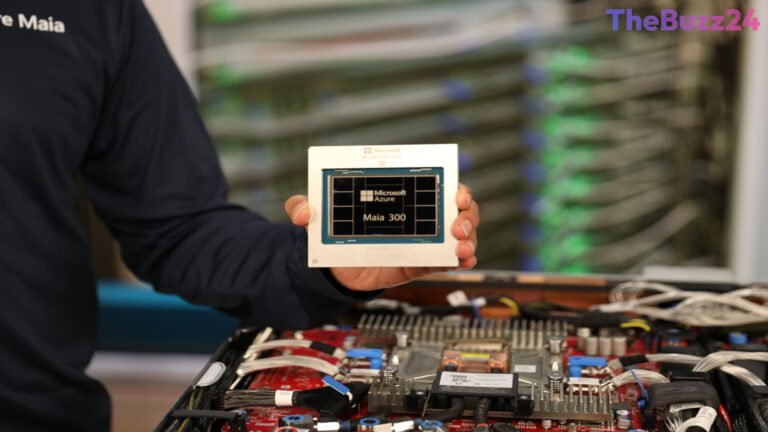
Market analysts point to a critical supply-demand imbalance as a primary driver for this growth, noting that demand for specialized AI chips currently outstrips supply by a ratio of 10-to-1. This environment is being described as the nascent stage of a broader technological revolution, characterized by a ‘memory super-cycle’ necessitated by the massive data requirements of hyperscalers. To navigate this landscape, experts suggest that investors look beyond single-stock bets, favoring a diversified strategy that encompasses software, cybersecurity, and the underlying power infrastructure required to sustain AI operations.
Despite the prevailing optimism, the rapid valuation of AI-related equities has sparked debate regarding market sustainability. Some observers have drawn parallels to the dot-com bubble of the late 1990s, warning that current price action may be driven more by momentum than by long-term fundamental indicators. While many believe the AI bull market still has significant runway, seasoned investors are cautioning that the sector remains susceptible to sharp, periodic valuation corrections as the market matures.
Key Takeaways
- The Nasdaq is projected to hit 30,000 as AI infrastructure demand continues to outpace supply by a 10-to-1 margin.
- Analysts recommend a diversified investment approach across software, cybersecurity, and power infrastructure rather than focusing on isolated tech stocks.
- Market experts remain divided, with some warning that current momentum mirrors historical bubbles while others see a long-term technological revolution.
Editor’s Analysis & Impact
The current trajectory of the Nasdaq suggests that the AI narrative has moved beyond mere hype and into a phase of capital-intensive infrastructure deployment. The ‘memory super-cycle’ and the massive energy requirements of hyperscalers indicate that the AI boom is creating a tangible ripple effect across multiple industrial sectors, particularly in power and cybersecurity. While the comparisons to the 1999-2000 dot-com era are inevitable, the current market is supported by actual revenue growth and massive corporate capital expenditure, which distinguishes it from the speculative fervor of the past. However, the risk of a ‘valuation reset’ remains high; as interest rates fluctuate and AI adoption reaches a plateau, investors should expect increased volatility. The long-term outlook remains bullish, provided that companies can successfully translate AI infrastructure investment into sustainable, bottom-line profitability.
Frequently Asked Questions
Q: Why is the demand for AI chips so high?
A: The demand is driven by the massive computational requirements of hyperscalers and the ongoing development of large-scale AI models, which currently require more specialized hardware than manufacturers can produce.
Q: What is a 'memory super-cycle' in the context of AI?
A: A memory super-cycle refers to a period of sustained, high demand for high-bandwidth memory and storage solutions, essential for the data-heavy processing tasks performed by modern artificial intelligence systems.
AI Disclosure: This article is based on verified data and official reports. Our Team and AI have cross-referenced every financial detail with primary sources to ensure total accuracy.
More from this Category