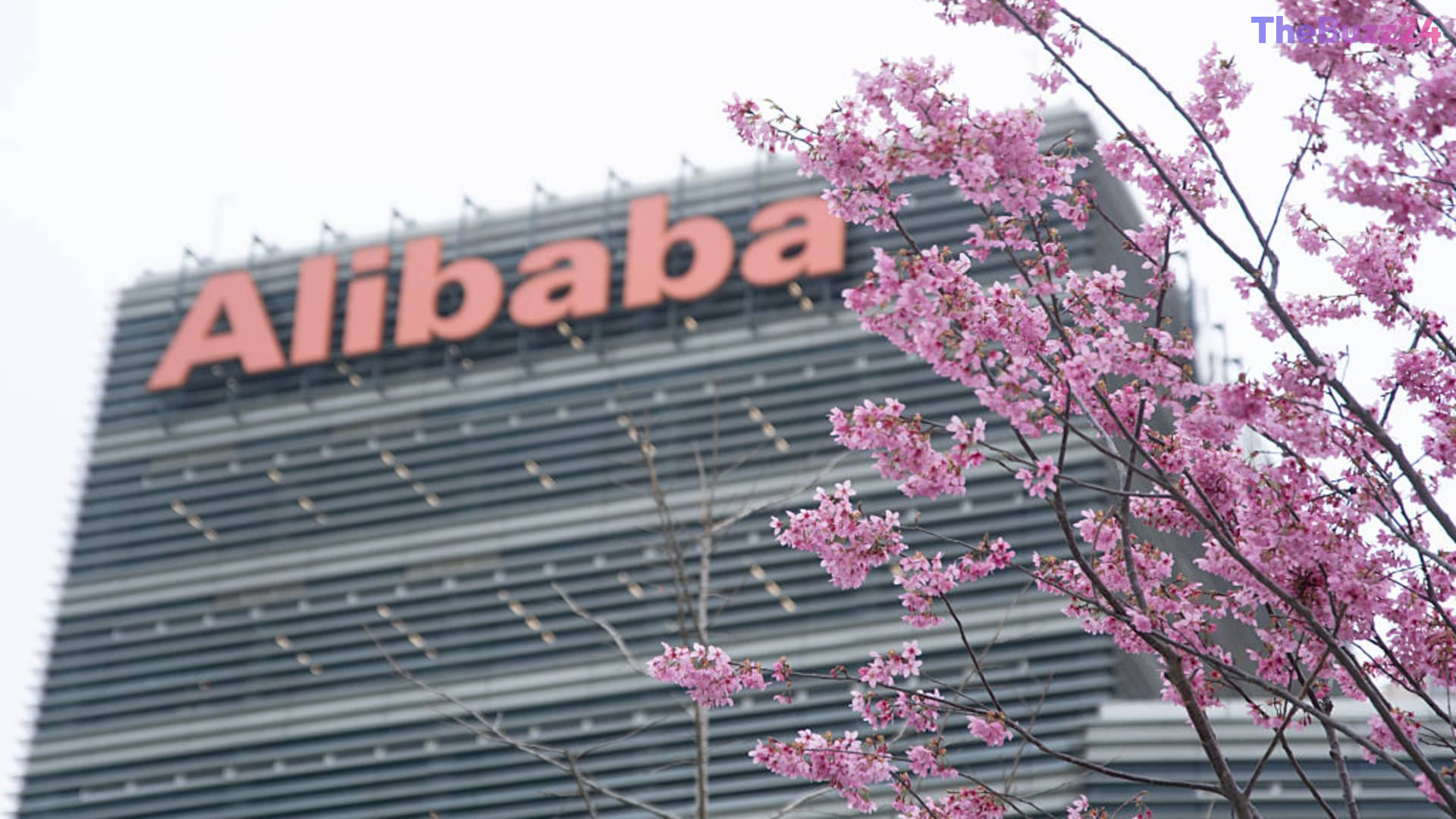
Alibaba Bets Big on AI Infrastructure as Cloud Growth Outpaces Core E-commerce
Alibaba Group has reported a significant shift in its financial landscape, marked by an 84% year-on-year decline in adjusted earnings before interest, taxes, and amortization (EBITA) for the March quarter, which fell to 5.1 billion Chinese yuan. This contraction is largely attributed to the company’s aggressive capital allocation toward artificial intelligence development and the expansion of its quick commerce delivery services. While these strategic investments have pressured short-term margins, they underscore a pivot toward long-term technological dominance.
Despite the dip in core profitability, the company’s Cloud Intelligence Group has become a standout performer. Revenue for the cloud division climbed 38% to 41.6 billion yuan, bolstered by a consistent triple-digit growth rate in AI-related product revenue. CEO Eddie Wu has expressed confidence in this trajectory, projecting that annualized recurring revenue from AI models and applications will reach 30 billion yuan by the end of the year. This growth is supported by Alibaba’s unique ability to deploy proprietary AI chips at scale, providing the company with a distinct advantage in a market currently constrained by compute scarcity.
Beyond cloud infrastructure, Alibaba is actively integrating its Qwen AI models into its consumer-facing platforms, including a new AI-powered shopping assistant for Taobao. However, the push into ultra-fast delivery services has created friction in the company’s China e-commerce segment, where adjusted EBITA dropped 40%. While quick commerce revenue grew by 57%, the high costs associated with logistics and infrastructure have weighed on the bottom line, leading to volatility in the company’s U.S.-listed shares following the earnings announcement.
Key Takeaways
- Alibaba's core EBITA fell 84% due to heavy spending on AI infrastructure and quick commerce expansion.
- The Cloud Intelligence Group saw a 38% revenue increase, driven by sustained triple-digit growth in AI-related services.
- Alibaba is leveraging its proprietary AI chips and the Qwen model family to gain a competitive edge in the Chinese cloud and e-commerce markets.
Editor’s Analysis & Impact
Alibaba’s latest financial results illustrate a classic ‘growth-over-profit’ transition phase common among tech giants pivoting to AI. By sacrificing short-term margins in its legacy e-commerce business to fund cloud and semiconductor infrastructure, Alibaba is attempting to secure a moat in the high-stakes AI race. The company’s ability to control its own compute supply chain via self-developed chips is a strategic masterstroke, particularly given the geopolitical restrictions on high-end hardware. However, the market remains skittish, as evidenced by the share price volatility. Investors are clearly weighing the long-term potential of the Qwen ecosystem against the immediate erosion of profitability in the core retail business. The success of this strategy will ultimately depend on whether the AI-driven cloud services can achieve sufficient scale to offset the high operational costs of the company’s aggressive logistics and R&D initiatives.
Frequently Asked Questions
Q: Why did Alibaba's core profits drop so significantly in the March quarter?
A: The decline was primarily driven by heavy strategic investments in artificial intelligence development, semiconductor technology, and the expansion of high-cost quick commerce delivery services.
Q: What is the significance of Alibaba's proprietary AI chips?
A: Developing its own AI chips allows Alibaba to maintain autonomy over its computing supply chain, helping the company bypass compute scarcity issues and offer more competitive AI training and inference services compared to rivals.
AI Disclosure: This article is based on verified data and official reports. Our Team and AI have cross-referenced every financial detail with primary sources to ensure total accuracy.
More from this Category