Ceasefire Collapses as Intense Airstrikes Strike Southern Lebanon
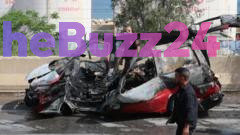
A series of heavy airstrikes has struck southern Lebanon, causing at least 12 deaths and signaling a major breakdown in the region’s fragile ceasefire. The attacks, which targeted vehicles along the coastal highway and near the city of Sidon, have resulted in significant civilian casualties, including two children. This sudden escalation marks a dangerous shift in the security landscape that had been attempting to stabilize under recent agreements.
While the Israeli military has focused its operations on dismantling Hezbollah infrastructure, the recent strikes on civilian-occupied areas have intensified the humanitarian crisis. In direct retaliation, Hezbollah has continued to launch drone strikes and rocket fire against Israeli military positions. This cycle of violence is part of a broader, deadly trend that has seen hundreds of fatalities in Lebanon since the ceasefire was established nearly a month ago.
Diplomatic efforts to prevent a wider conflict are currently at a crossroads, with high-level discussions scheduled to take place in Washington. However, the path to peace remains obstructed by Hezbollah’s stated refusal to withdraw its forces from the battlefield. As the conflict continues to claim lives on both sides, the possibility of a lasting resolution appears increasingly remote, leaving the region in a state of heightened volatility.
Key Takeaways
- Intense airstrikes in southern Lebanon have killed at least 12 people, including two children, violating the current ceasefire.
- Hezbollah has responded to the strikes with drone and rocket attacks against Israeli troop positions.
- Upcoming diplomatic talks in Washington face significant challenges due to Hezbollah's refusal to withdraw from combat zones.
Editor’s Analysis & Impact
The recent surge in violence in southern Lebanon signals a profound failure of the current ceasefire, suggesting that the agreement may be more of a temporary pause than a sustainable peace. The targeting of civilian-adjacent areas and the subsequent retaliatory drone strikes by Hezbollah indicate a high risk of a full-scale regional conflict. As diplomatic efforts move to Washington, the fundamental disagreement over Hezbollah’s presence on the battlefield remains the primary obstacle. If the current pattern of escalation continues, the humanitarian crisis in Lebanon will deepen, and the stability of the broader Middle East will be further compromised. The international community faces the daunting task of mediating between two parties whose military objectives currently appear irreconcilable, making a long-term resolution increasingly difficult to achieve.
Frequently Asked Questions
Q: What triggered the recent escalation in southern Lebanon?
A: The escalation was triggered by intense airstrikes targeting vehicles and areas near Sidon, which resulted in multiple fatalities and a breach of the existing ceasefire agreement.
Q: How has Hezbollah responded to the Israeli airstrikes?
A: Hezbollah has retaliated by deploying drones and launching rocket fire against Israeli military positions.
Q: What are the next steps for diplomatic resolution?
A: Officials are preparing for a new round of discussions in Washington to attempt to restore order, though Hezbollah's refusal to withdraw from the battlefield poses a major hurdle.
AI Disclosure: This article is based on verified data and official reports. Our Team and AI have cross-referenced every financial detail with primary sources to ensure total accuracy.
More from this Category