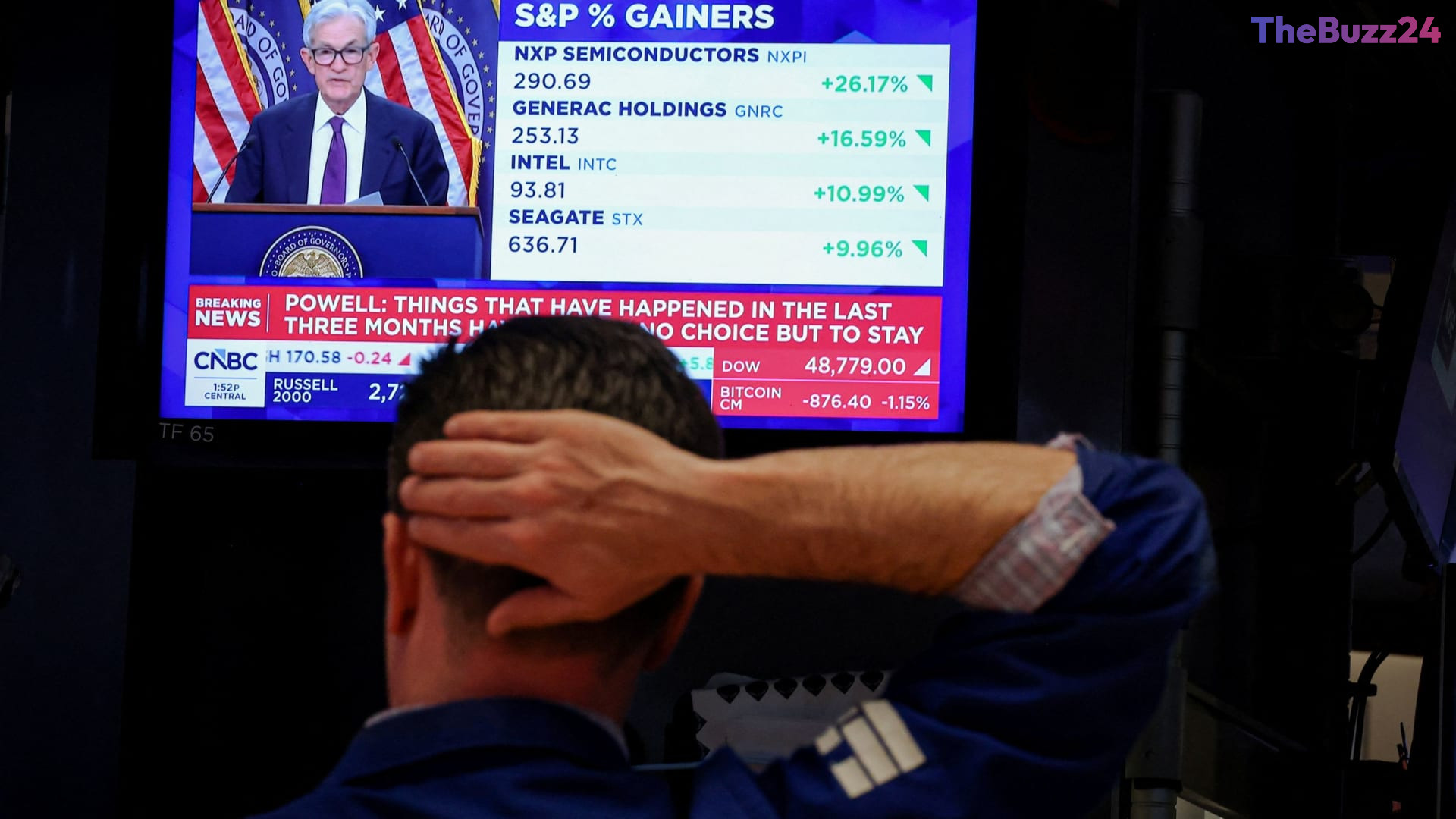
New Fed Chair Warsh Faces Immediate Pressure to Combat Surging Inflation
The U.S. bond market is sending an unequivocal message to the Federal Reserve: current monetary policy is proving inadequate in the face of escalating inflationary pressures. As Kevin Warsh assumes the critical role of Federal Reserve Chair, he is immediately confronted by investors demanding a decisive departure from the central bank’s long-standing accommodative stance. Market participants are increasingly convinced that the Federal Open Market Committee must move beyond merely adjusting easing biases and instead implement aggressive interest rate hikes.
Evidence of this growing market skepticism is clearly reflected in the 2-year U.S. Treasury yield, which has now climbed above the federal funds rate. This inversion is a classic market indicator, signaling that investors believe prevailing interest rates are insufficient to anchor inflation, which has consistently exceeded the Fed’s 2% target for five consecutive years. The urgency is further underscored by recent economic data, revealing the consumer price index rising 3.8% annually and wholesale inflation surging by 6%, marking the highest levels observed since 2022 and 2023, respectively.
Adding another layer of complexity to the economic landscape are global geopolitical tensions, including the ongoing conflict in Iran, which threaten to further disrupt supply chains and fuel price volatility. This current market sentiment represents a significant shift from previous political pressures, such as those from former President Donald Trump, who advocated for lower rates to stimulate economic growth. Futures traders, who once anticipated rate cuts this year, have now abandoned those expectations, with the probability of a rate hike rising substantially as the market demands a more hawkish approach from the new leadership.
Key Takeaways
- Bond markets are signaling deep concern over persistent inflation, urging the Federal Reserve to tighten monetary policy.
- New Fed Chair Kevin Warsh is under immediate pressure to pivot from accommodative stances to potential interest rate hikes.
- Key indicators like the inverted 2-year U.S. Treasury yield and elevated CPI (3.8%) and wholesale inflation (6%) underscore the market's demand for a more hawkish approach.
Editor’s Analysis & Impact
The bond market’s assertive stance against the Federal Reserve’s current policy marks a pivotal moment for the U.S. economy. This market signal, effectively pushing the central bank to act, places new Fed Chair Kevin Warsh in a challenging position. His ability to navigate persistent, supply-side-driven inflation amidst geopolitical instability will define his early tenure. A failure to meet these hawkish expectations could erode the Fed’s credibility, potentially increasing volatility in Treasury markets. Conversely, overly aggressive tightening risks an economic slowdown. This scenario suggests a significant shift away from the “easy money” era, ushering in a more interest-rate-sensitive and potentially volatile environment for both equity and fixed-income markets in the near future.
Frequently Asked Questions
Q: What does it mean when the 2-year U.S. Treasury yield rises above the federal funds rate?
A: This phenomenon, known as a yield curve inversion, indicates that bond investors believe the current federal funds rate is too low to effectively control inflation, anticipating that the Federal Reserve will need to raise rates in the future.
Q: How high are current inflation rates compared to the Fed's target?
A: The consumer price index (CPI) is currently rising at 3.8% annually, and wholesale inflation is at 6%. Both figures significantly exceed the Federal Reserve's long-term inflation target of 2%.
Q: What role do geopolitical tensions play in the current economic outlook?
A: Global geopolitical tensions, such as the conflict in Iran, are seen as potential disruptors to global supply chains. These disruptions can lead to increased costs and price volatility, further complicating the Federal Reserve's efforts to manage inflation.
AI Disclosure: This article is based on verified data and official reports. Our Team and AI have cross-referenced every financial detail with primary sources to ensure total accuracy.
More from this Category