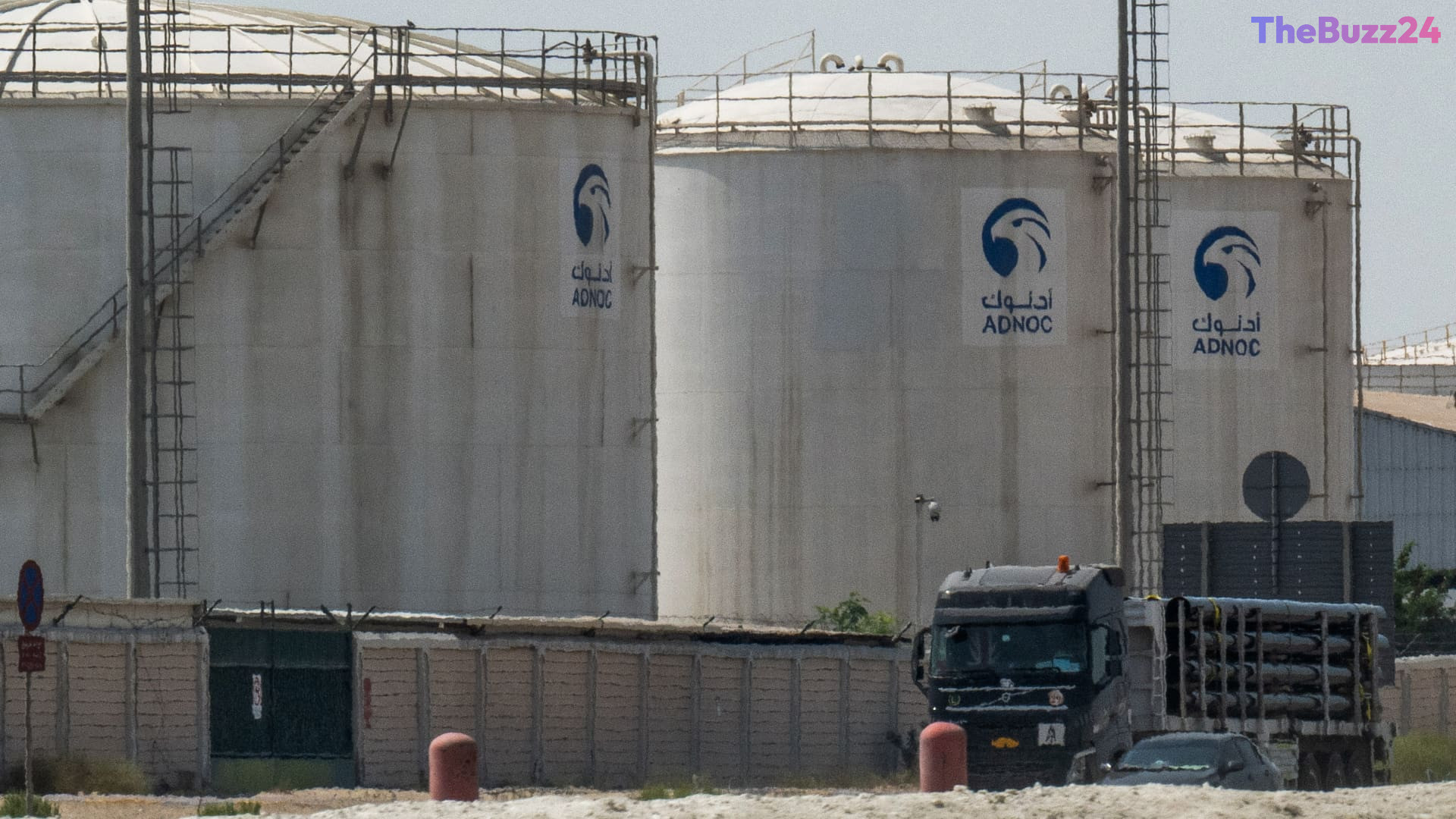
UAE Fast-Tracks Strategic Pipeline to Secure Oil Exports Beyond the Strait of Hormuz
Abu Dhabi is aggressively accelerating the development of a second major West-East oil pipeline, a critical infrastructure project designed to double the nation’s crude export capacity. With a target completion date set for 2027, the initiative aims to establish a robust transit route that bypasses the Strait of Hormuz, a maritime choke point frequently subject to geopolitical volatility. By directing a larger volume of crude toward the eastern port of Fujairah, the Abu Dhabi National Oil Company (ADNOC) is fortifying its export network against potential regional disruptions.
The decision to expedite this construction follows heightened global concerns regarding energy security and the safety of commercial shipping lanes in the Gulf. Under the direction of Abu Dhabi Crown Prince Sheikh Khaled bin Mohamed bin Zayed Al Nahyan, the project has been prioritized to ensure the UAE maintains its status as a reliable energy supplier. This move underscores a proactive approach to mitigating risks associated with regional instability, ensuring that international markets remain supplied regardless of maritime security threats.
This infrastructure expansion is a cornerstone of the UAE’s broader energy strategy, particularly as the nation pivots following its departure from the OPEC producer group. ADNOC is currently engaged in a massive capital investment program aimed at scaling total production capacity to 4.9 million barrels per day. While current output has fluctuated between 1.8 and 2.1 million barrels per day due to regional challenges, the new pipeline will significantly augment the existing Habshan-Fujairah pipeline, which currently serves as the country’s only bypass route with a 1.8 million barrel per day capacity.
Key Takeaways
- The UAE is fast-tracking a second West-East pipeline to bypass the Strait of Hormuz by 2027.
- The project aims to double export capacity through the port of Fujairah to enhance global supply chain resilience.
- The expansion supports ADNOC's long-term goal of increasing total production capacity to 4.9 million barrels per day.
Editor’s Analysis & Impact
The acceleration of the UAE’s second West-East pipeline represents a fundamental shift in Middle Eastern energy logistics. By effectively decoupling its export capacity from the Strait of Hormuz, the UAE is insulating its economy from the risks of maritime blockades and regional geopolitical friction. This strategic autonomy is particularly significant following the nation’s exit from OPEC, as it allows for greater flexibility in production and pricing strategies. As ADNOC pushes toward a 4.9 million barrel per day capacity, this infrastructure investment positions the UAE as a more reliable and independent swing producer. For global markets, this development serves as a vital hedge against energy supply shocks, providing a more secure, land-based alternative to traditional maritime transit routes that have long been a source of international anxiety.
Frequently Asked Questions
Q: What is the primary purpose of the UAE's new West-East pipeline?
A: The pipeline is designed to double the UAE's crude export capacity through the port of Fujairah, creating a secure transit route that avoids the Strait of Hormuz.
Q: When is the new pipeline project expected to be completed?
A: The project has been fast-tracked and is currently scheduled for completion by 2027.
Q: How does this pipeline support ADNOC's long-term goals?
A: It provides the necessary infrastructure to support ADNOC's target of increasing total oil production capacity to 4.9 million barrels per day, allowing for greater export independence.
AI Disclosure: This article is based on verified data and official reports. Our Team and AI have cross-referenced every financial detail with primary sources to ensure total accuracy.
More from this Category