Nvidia Resumes AI Chip Shipments to China Amid Delicate Geopolitical Balancing Act
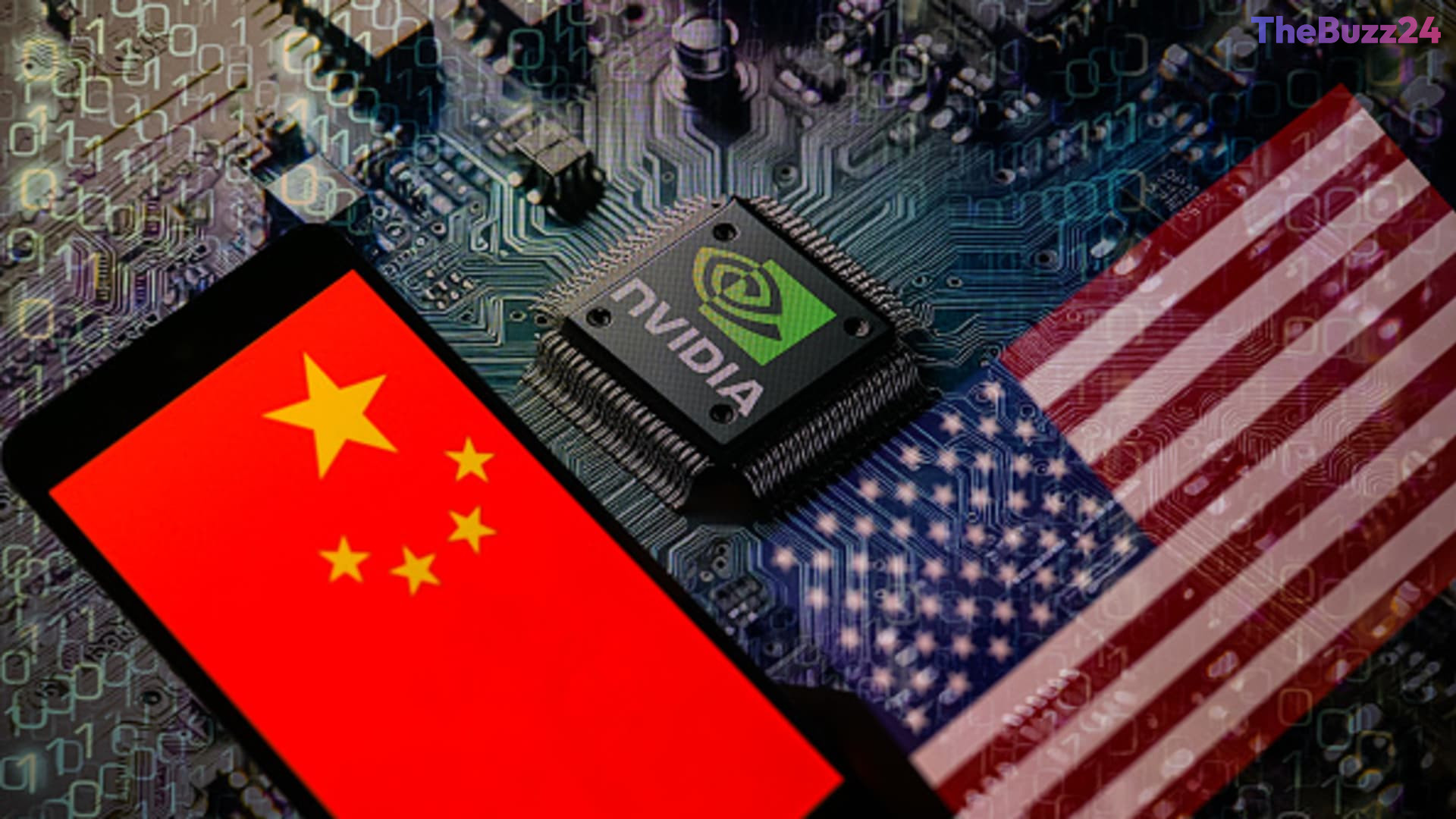
The global semiconductor landscape is currently grappling with a complex dilemma: balancing national security concerns with the drive for technological progress. Some policy experts argue that the United States should maintain a “strategic dependence” model, keeping Chinese firms reliant on American silicon. However, aggressive export bans risk doing the opposite—forcing Beijing to accelerate its domestic chip-making capabilities, which could eventually challenge Western dominance.
For months, Nvidia has navigated these regulatory headwinds. Strict U.S. export controls previously blocked the company from shipping its most powerful artificial intelligence processors to China. In response, Nvidia engineered modified, compliant alternatives, such as tailored versions of its H200 series. While Chief Financial Officer Colette Kress previously warned that revenue from China remained highly volatile and unpredictable, the company’s strategic outlook for the region appears to be shifting.
Chief Executive Officer Jensen Huang recently offered a brighter outlook, confirming that Nvidia has secured fresh purchase orders and restarted manufacturing specifically for Chinese clients. This development shifts the spotlight to Beijing, which must now decide whether to continue adopting these modified American chips or double down on the expensive, high-risk endeavor of building a completely independent domestic semiconductor ecosystem.
Despite these geopolitical hurdles, Nvidia’s position as the bedrock of the global AI boom remains undisputed. Wall Street analysts continue to praise the company’s market leadership and robust valuation, which holds strong even against emerging competitors like Cerebras. Ultimately, Nvidia’s role in providing the essential infrastructure for artificial intelligence ensures its long-term dominance, regardless of short-term fluctuations in the Chinese market.
Key Takeaways
- Nvidia has secured new orders and restarted production of modified AI chips tailored for the Chinese market, navigating strict U.S. export controls.
- U.S. trade restrictions aim to protect national security but risk accelerating China's drive toward domestic semiconductor self-sufficiency.
- Despite regulatory hurdles and regional revenue volatility, Nvidia maintains its dominant position as the primary infrastructure provider for the global AI revolution.
Editor’s Analysis & Impact
The delicate dance between regulatory compliance and market access is the defining challenge for modern semiconductor giants. While Washington’s export controls aim to bottleneck China’s technological progress, they risk triggering a “Sputnik moment” that forces Beijing to heavily subsidize and fast-track its domestic chip industry. If Chinese tech firms successfully develop competitive indigenous AI hardware, Western firms like Nvidia could face a permanent loss of market share in one of the world’s largest tech economies. In the short term, Nvidia’s massive technological lead and diverse global demand shield it from severe financial damage. However, the long-term outlook points toward a bifurcated global tech ecosystem, where American and Chinese supply chains operate in entirely separate spheres, forcing investors to weigh geopolitical risks more heavily than ever before.
Frequently Asked Questions
Q: Why did the U.S. restrict Nvidia from selling its top-tier AI chips to China?
A: The U.S. government implemented strict export controls to protect national security, aiming to prevent advanced artificial intelligence hardware from being utilized for military advancements or strategic surveillance by foreign adversaries.
Q: How is Nvidia continuing to do business in China despite these bans?
A: Nvidia has designed modified versions of its advanced processors, such as compliant variations of its H200 series, which meet U.S. export thresholds while still offering viable AI processing power to Chinese customers.
Q: What is the risk of these export controls for Western tech companies?
A: The primary risk is that aggressive restrictions will incentivize China to achieve technological self-sufficiency, leading to the rapid development of domestic competitors and potentially shutting Western companies out of the Chinese market permanently.
AI Disclosure: This article is based on verified data and official reports. Our Team and AI have cross-referenced every financial detail with primary sources to ensure total accuracy.
More from this Category