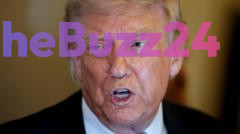
Escalating Tensions in the Middle East: Trump Issues Final Warning to Tehran Amid Nuclear Deadlock
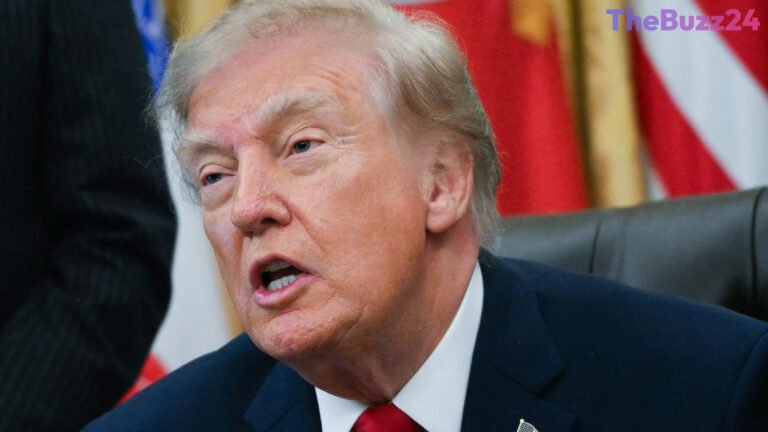
The diplomatic standoff between the United States and Iran has reached a breaking point, with President Donald Trump issuing a stern ultimatum to the Iranian government. As existing ceasefire agreements falter, the administration has signaled a shift toward maximum pressure, following high-level discussions with Israeli Prime Minister Benjamin Netanyahu. The window for a peaceful resolution appears to be closing rapidly as both nations remain entrenched in their positions.
The core of the dispute lies in fundamentally irreconcilable demands. Washington is insisting that Iran dismantle its entire nuclear infrastructure, surrender all enriched uranium stockpiles, and commit to a 20-year moratorium on nuclear development. Conversely, Tehran is calling for an immediate cessation of hostilities, the removal of the U.S. naval blockade, and formal security guarantees to protect its sovereignty.
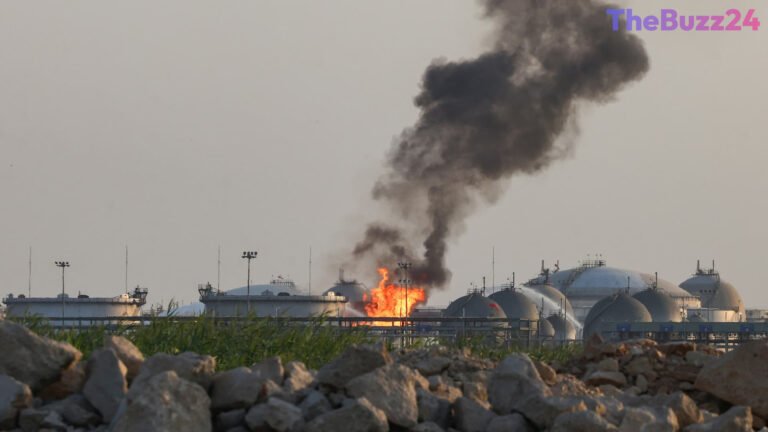
Adding to the volatility is the continued blockade of the Strait of Hormuz by Iranian forces. This maritime chokepoint is essential for global energy transit, and its closure has already sent shockwaves through international markets, causing a surge in crude oil and liquefied natural gas prices. While neutral parties like Pakistan have attempted to mediate a compromise, the ideological divide remains vast.
On the ground, the situation remains precarious. Sporadic military exchanges continue to threaten the stability of the current ceasefire. With the U.S. maintaining its naval presence and Iran refusing to compromise on its nuclear program, the region faces the looming threat of a broader, more destructive conflict.
Key Takeaways
- President Trump has issued a final ultimatum to Iran as diplomatic negotiations regarding nuclear development reach a stalemate.
- The blockade of the Strait of Hormuz is causing significant volatility in global energy markets, specifically impacting oil and gas prices.
- Conflicting demands over nuclear infrastructure and naval blockades have left the current ceasefire in a highly unstable state.
Editor’s Analysis & Impact
The shift toward a ‘maximum pressure’ strategy marks a significant escalation in U.S. foreign policy, moving away from traditional diplomacy toward coercive measures. By aligning closely with Israel, the U.S. is signaling that its nuclear non-proliferation goals are non-negotiable. However, this hardline stance carries immense economic risks. The blockade of the Strait of Hormuz serves as a powerful geopolitical lever for Iran, capable of destabilizing global energy markets at will. If mediation efforts by neutral nations fail, the world may witness a transition from diplomatic deadlock to active military engagement. Such a conflict would not only reshape Middle Eastern security architecture but also trigger a global economic crisis driven by energy shortages and soaring fuel costs.
Frequently Asked Questions
Q: How does the Strait of Hormuz blockade affect global consumers?
A: The blockade restricts the flow of essential energy resources, leading to increased prices for crude oil and natural gas worldwide.
Q: What are the specific nuclear demands from the United States?
A: The U.S. requires Iran to dismantle its nuclear facilities, hand over enriched uranium, and agree to a 20-year freeze on all nuclear research.
AI Disclosure: This article is based on verified data and official reports. Our Team and AI have cross-referenced every financial detail with primary sources to ensure total accuracy.
More from this Category