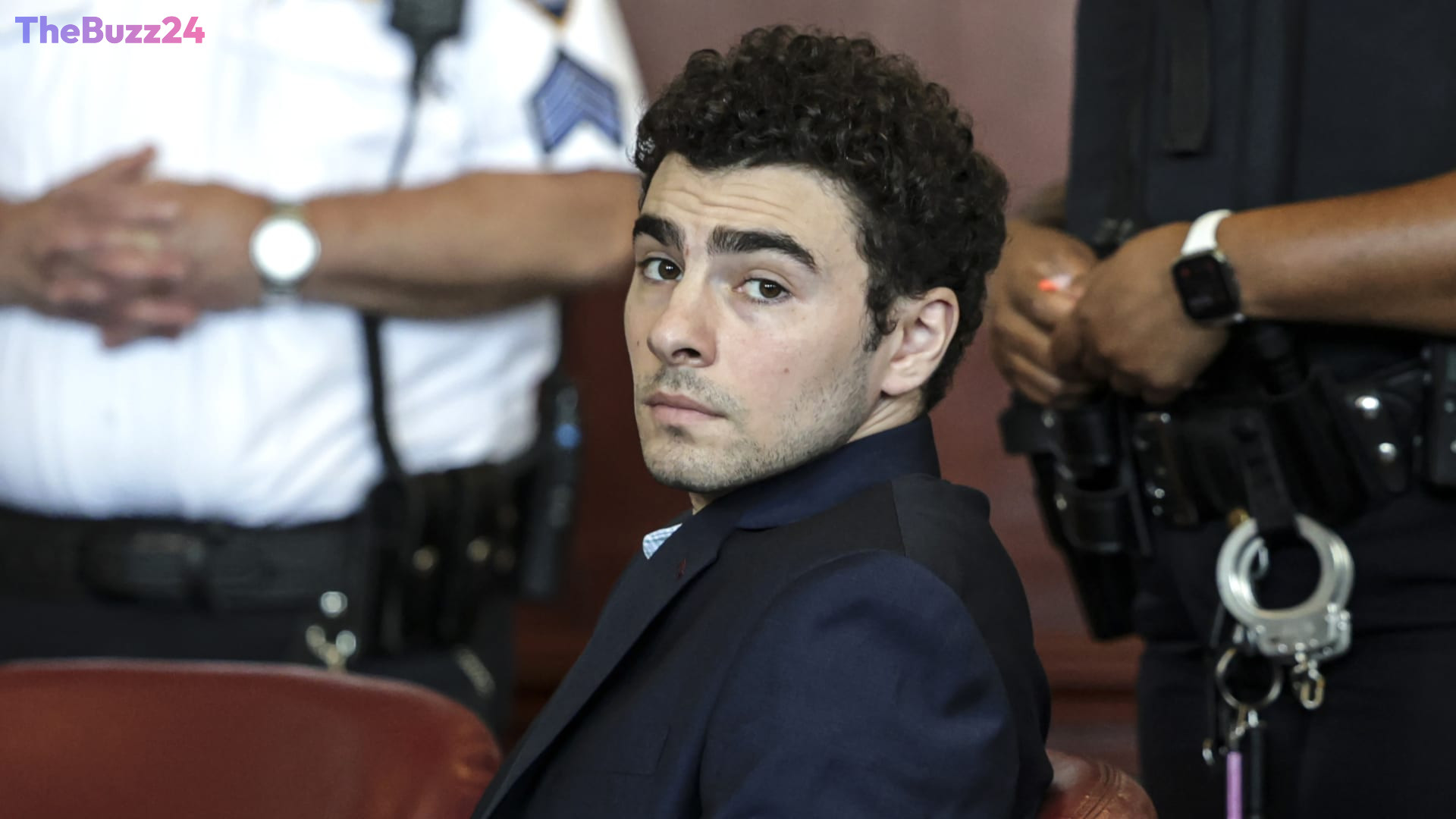
Judge Limits Evidence in High-Profile UnitedHealthcare CEO Murder Trial
A Manhattan Supreme Court judge has issued a significant ruling in the ongoing murder trial of Luigi Mangione, who is accused of the December 2024 killing of UnitedHealthcare CEO Brian Thompson. Judge Gregory Carro has ordered the suppression of several items seized from a backpack in Mangione’s possession at the time of his arrest in Altoona, Pennsylvania. The court determined that because Mangione did not have sufficient control over the bag when officers initially detained him, the items found inside—including a loaded magazine, a cellphone, a passport, a wallet, and a computer chip—cannot be presented as evidence by the prosecution.
Despite this setback for the state, the ruling does not entirely exclude the contents of the backpack. Judge Carro permitted the inclusion of a 3D-printed firearm, which investigators believe was the weapon used in the fatal shooting of Thompson outside an investor event in midtown Manhattan. Additionally, a journal recovered during the subsequent police inventory of the suspect’s belongings remains admissible for the upcoming trial.
The decision highlights the complex legal standards surrounding search and seizure protocols under New York law. While the prosecution maintains its case, the exclusion of specific items underscores the procedural challenges inherent in high-stakes criminal litigation. The trial continues to draw intense public and legal scrutiny as both sides prepare to present their arguments regarding the tragic death of the UnitedHealth Group executive.
Key Takeaways
- A New York judge suppressed several items found in Luigi Mangione's backpack, citing a lack of control over the bag during his arrest.
- The 3D-printed firearm allegedly used in the murder of Brian Thompson remains admissible evidence.
- The ruling limits the scope of the prosecution's evidence but does not dismiss the underlying murder charges.
Editor’s Analysis & Impact
The court’s decision to suppress evidence in the Mangione case serves as a critical reminder of the Fourth Amendment protections and the strict procedural requirements for evidence collection. By ruling that the defendant lacked sufficient control over the backpack at the time of the stop, the judge has set a high bar for the prosecution, potentially complicating their narrative regarding the suspect’s intent and preparation. From an industry perspective, this case underscores the vulnerability of high-profile corporate executives and the subsequent legal complexities that arise when such violence occurs. Moving forward, the trial will likely hinge on the admissibility of the remaining physical evidence and the forensic link between the 3D-printed weapon and the crime scene. The outcome will likely influence future debates regarding the regulation of 3D-printed firearms and the standards for evidence handling in high-profile criminal proceedings.
Frequently Asked Questions
Q: Why was some of the evidence from the backpack suppressed?
A: The judge ruled that the evidence was inadmissible because the defendant did not have sufficient control over the backpack at the time he was detained by police.
Q: Is the murder weapon still being used in the trial?
A: Yes, the judge ruled that the 3D-printed firearm, which is believed to be the weapon used in the shooting, remains admissible as evidence.
AI Disclosure: This article is based on verified data and official reports. Our Team and AI have cross-referenced every financial detail with primary sources to ensure total accuracy.
More from this Category