The Blue-Collar Boom: How the AI Revolution is Redefining the American Dream
The rapid proliferation of artificial intelligence across the corporate landscape is fundamentally reshaping the traditional pathway to middle-class prosperity. For decades, a four-year university degree was viewed as the gold standard for upward mobility. However, as generative AI increasingly automates entry-level white-collar responsibilities, recent college graduates are encountering a highly competitive and shrinking job market. In contrast, the physical demands of the expanding digital economy are fueling an unprecedented surge in demand for skilled blue-collar professionals.
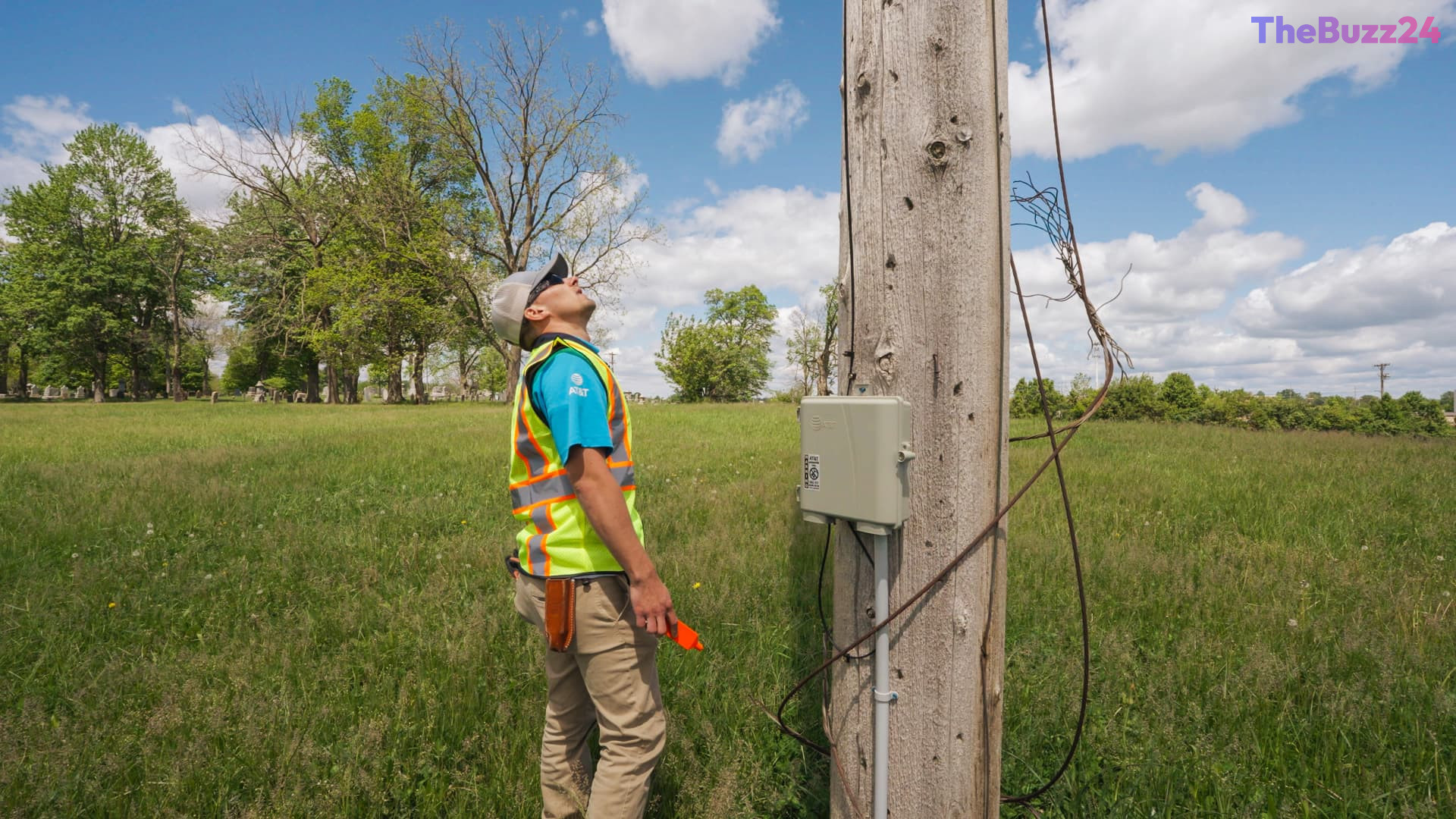
Major industry giants, including Nvidia, Ford, and AT&T, are actively adjusting their recruitment strategies to focus on the skilled trades. These companies require a massive workforce of technicians, electricians, and construction specialists to build and maintain the physical infrastructure—such as advanced data centers and fiber-optic networks—that powers modern AI systems. Consequently, early-career professionals in traditionally stable fields like software development, marketing, and accounting are experiencing slower employment growth, raising concerns among economists about long-term career disruption for younger office workers.
This shifting dynamic highlights a growing realization that the societal push toward higher education may have overlooked the critical importance of vocational training. Today, specialized technical roles offer a level of job security that is increasingly difficult to find in corporate offices. Because hands-on, physical labor cannot be easily replicated by algorithms, tradespeople are enjoying robust wage growth, comprehensive benefits, and near-immunity to near-term automation. As a result, the modern definition of career success is returning to its practical roots, emphasizing essential, tangible labor.
Key Takeaways
- AI automation is reducing entry-level white-collar opportunities in fields like marketing, accounting, and software development.
- Tech and industrial giants like Nvidia, AT&T, and Ford are heavily recruiting skilled tradespeople to build the physical infrastructure required for AI.
- Vocational careers, such as electrical work and fiber-optic installation, are seeing historic demand, offering high job security and competitive pay.
Editor’s Analysis & Impact
The shift in demand from white-collar to blue-collar labor represents a structural realignment of the global economy. For years, educational institutions and policymakers pushed the narrative that a college degree was the sole path to financial security. However, the AI boom has exposed a critical vulnerability in this model: cognitive tasks are far easier to automate than physical ones. As tech giants pour billions into physical infrastructure like data centers, the shortage of skilled tradespeople will likely drive up wages in vocational sectors even further. This trend could prompt a massive overhaul of the education system, with high schools and community colleges reinvesting heavily in trade programs. Ultimately, this realignment may help rebuild a resilient middle class, though it poses a significant challenge for universities that must now redefine their value proposition in an AI-driven world.
Frequently Asked Questions
Q: Why is AI impacting white-collar jobs more than blue-collar jobs?
A: AI excels at processing data, writing code, and generating content, which are core components of entry-level office work. Conversely, blue-collar jobs require complex physical manipulation, spatial awareness, and real-world problem-solving that current robotic technology cannot easily or affordably replicate.
Q: Which companies are leading the hiring push for skilled trades?
A: Major corporations like AT&T, Ford, and Nvidia are leading the charge, investing heavily in the technicians, electricians, and infrastructure workers needed to build out the fiber networks and data centers that support AI technologies.
Q: Is a college degree still worth it?
A: While a college degree still holds value for specialized professions, the return on investment is being re-evaluated. Many students are now weighing the high cost of university tuition against the immediate, high-paying opportunities and job security offered by vocational training and the skilled trades.
AI Disclosure: This article is based on verified data and official reports. Our Team and AI have cross-referenced every financial detail with primary sources to ensure total accuracy.
More from this Category