NASA’s Psyche Probe Captures Unprecedented Geological Data During Mars Flyby
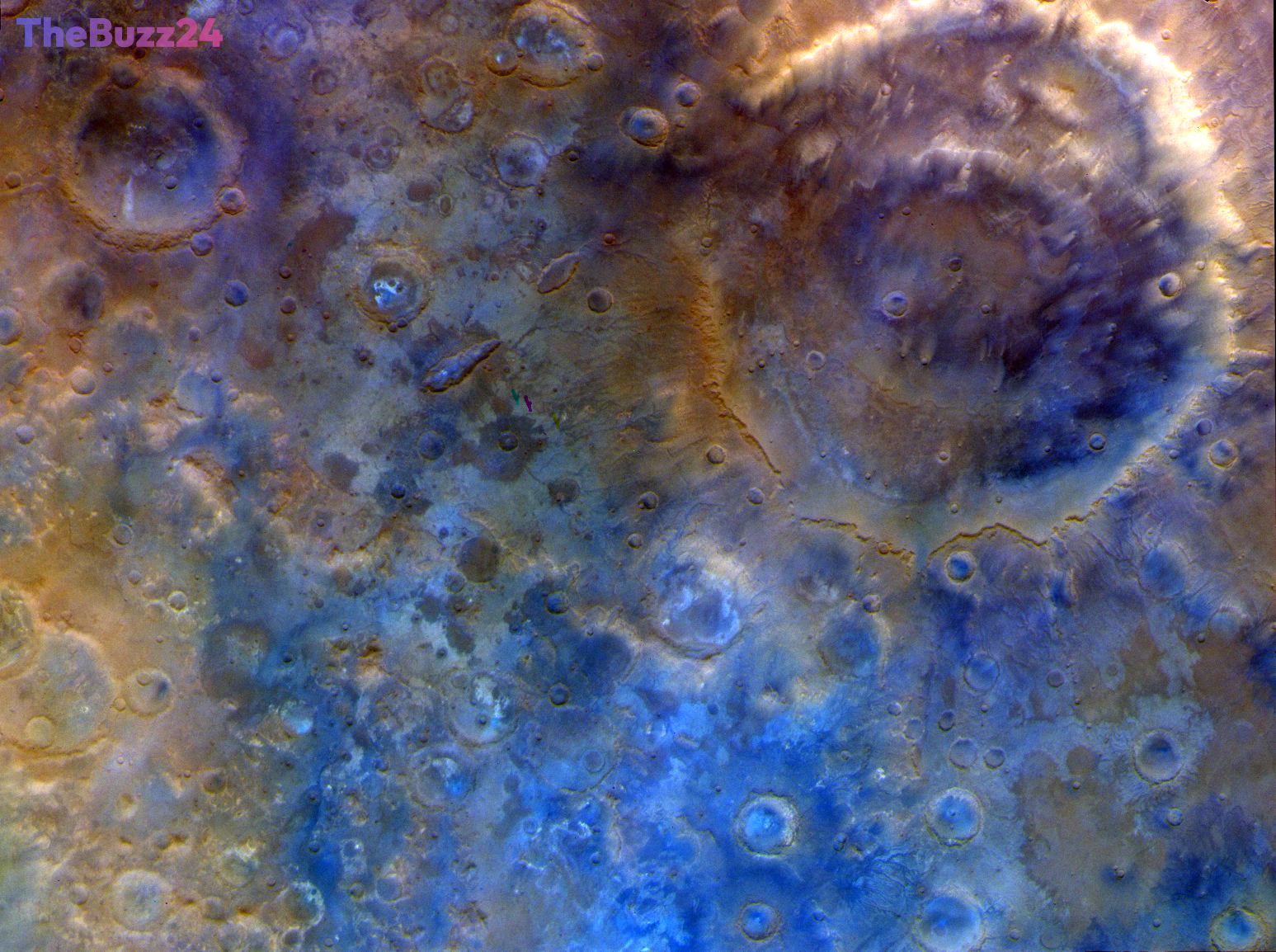
The Psyche spacecraft has reached a major milestone in deep space exploration by successfully capturing high-resolution, multispectral imagery of the massive Huygens Crater on Mars. Measuring roughly 290 miles in diameter, the crater serves as a geological archive, providing researchers with a rare window into the ancient history of the Red Planet. During a strategic flyby, the mission utilized its advanced onboard imaging suites to document the Martian surface with exceptional clarity, effectively repurposing the asteroid-focused probe into a sophisticated planetary observation tool.
By applying complex color-processing techniques, the research team was able to map the crater’s surface, successfully differentiating between fine dust, shifting sand dunes, and exposed bedrock. These distinct color variations provide essential mineralogical data, enabling scientists to reconstruct the environmental conditions that existed on Mars billions of years ago. This analysis is vital for understanding the geological forces that have shaped the Martian landscape over vast periods of time.
While the Psyche mission was originally engineered to investigate metal-rich asteroids, this successful detour underscores the remarkable versatility and robustness of its instrumentation. The ability to pivot from deep-space asteroid research to detailed planetary observation represents a significant advancement in mission flexibility. As experts continue to analyze the incoming data, these findings are expected to refine existing models of solar system formation and provide a more comprehensive understanding of planetary evolution throughout the inner solar system.
Key Takeaways
- The Psyche mission successfully captured high-resolution, multispectral images of the 290-mile-wide Huygens Crater on Mars.
- Advanced color-processing allows scientists to differentiate between Martian surface materials like dust, sand, and bedrock to understand mineral composition.
- The mission's ability to pivot from asteroid research to planetary observation demonstrates the high versatility of modern deep-space instrumentation.
Editor’s Analysis & Impact
The successful imaging of the Huygens Crater by the Psyche mission underscores the immense value of multi-purpose deep space exploration. While the mission’s primary objective remains the study of metallic asteroids, the ability to pivot and capture high-fidelity planetary data highlights the technological robustness of modern spacecraft. From an industry perspective, this success validates the investment in multispectral imaging technology, which is becoming increasingly vital for planetary science. Looking ahead, the data retrieved from this flyby will likely influence future mission planning, particularly regarding how we map and analyze extraterrestrial surfaces. As we continue to uncover the geological secrets of Mars, these findings serve as a foundational step toward broader exploration goals, potentially informing future landing site selections and resource identification strategies for long-term space missions.
Frequently Asked Questions
Q: What is the primary goal of the Psyche mission?
A: While the mission is currently capturing data on Mars, its primary scientific objective is to explore and study a unique metal-rich asteroid also named Psyche.
Q: Why is the Huygens Crater significant to scientists?
A: The crater is significant because its diverse geological features, including varied dust and bedrock compositions, offer a historical record of the processes that shaped the Martian surface.
AI Disclosure: This article is based on verified data and official reports. Our Team and AI have cross-referenced every financial detail with primary sources to ensure total accuracy.
More from this Category