Fashion’s Green Shift: From Marketing Ploy to Financial Mandate
The global fashion industry finds itself at a critical juncture, grappling with a fundamental paradox: while brands frequently champion environmental initiatives, consumer purchasing habits remain predominantly dictated by price, a trend exacerbated by the ongoing cost-of-living crisis. Despite the sector’s substantial environmental footprint, contributing approximately 10% of global carbon emissions, shoppers often show reluctance to pay a premium for ethically produced goods. Consequently, industry leaders are recalibrating their strategies, moving away from purely altruistic marketing to embedding sustainability as a crucial instrument for long-term risk management and operational resilience.
Industry executives increasingly assert that the traditional retail model of escalating production without adequate consideration for environmental impact is no longer viable. Macroeconomic volatility, including sharp increases in energy prices spurred by geopolitical events and the subsequent rise in costs for synthetic fibers like polyester, has necessitated a profound re-evaluation of boardroom priorities. For companies, integrating sustainable practices is now perceived less as a philanthropic endeavor and more as a strategic imperative to shield their businesses from unpredictable raw material markets and potential supply chain disruptions. By lessening dependence on finite resources, brands aim to cultivate more stable and robust financial frameworks.
Both high-end luxury houses and mass-market retailers are acknowledging that climate change poses a direct and quantifiable threat to their profitability. Environmental degradation manifests as tangible financial risks, ranging from extreme weather events impacting the production of valuable materials such such as cashmere, to water scarcity impeding essential tannery operations. As a result, sustainability metrics are now subjected to the same rigorous scrutiny by institutional investors as traditional profit and loss statements. Protecting brand equity against potential labor or environmental controversies has become paramount for maintaining market valuation.
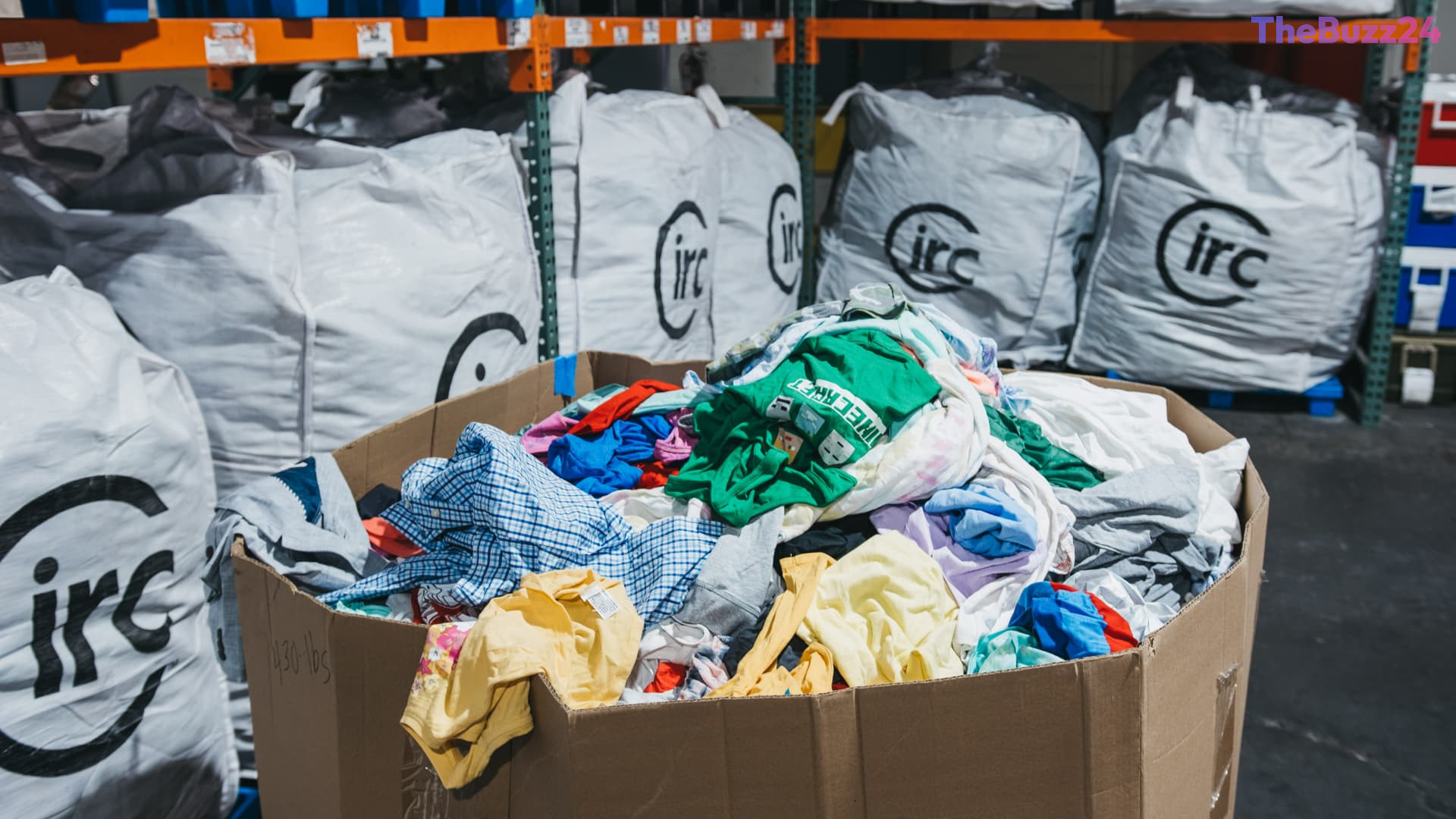
As the industry transitions towards a circular economy model—emphasizing repair, resale, and advanced textile recycling—firms are proactively preparing for an increasingly stringent regulatory environment. With the European Union poised to introduce rigorous compliance laws designed to curb greenwashing and inventory waste, companies that fail to adopt genuinely sustainable practices face the prospect of significant financial penalties. While consumer demand for eco-friendly products remains somewhat inconsistent, fashion executives view their current strategic pivot as an indispensable long-term commitment, ensuring their businesses remain adaptable and resilient in an ever-unpredictable global economy.
Key Takeaways
- The global fashion sector is reorienting its sustainability efforts from public relations to essential risk management, driven by economic instability and climate change concerns.
- Escalating raw material expenses, vulnerabilities in supply chains, and increased investor demand for ESG performance are pushing fashion companies towards more sustainable and robust operational frameworks.
- Anticipated stringent regulations, especially from the European Union, are set to mandate greater compliance, accelerating the industry's shift towards a circular economy and imposing penalties for non-adherence.
Editor’s Analysis & Impact
The fashion industry’s strategic shift towards integrating sustainability into core operations marks a significant evolution, moving beyond superficial greenwashing to fundamental business resilience. This transformation is expected to spur substantial investments in material innovation, bolster supply chain transparency, and develop the necessary infrastructure for a circular economy. While larger entities may leverage this shift for competitive advantage, smaller brands could encounter significant hurdles in adaptation, potentially leading to industry consolidation. Looking ahead, regulatory frameworks, particularly those from the EU, are poised to set global standards, compelling non-compliant businesses to either innovate or face market exclusion. This trend underscores sustainability as an indispensable business imperative, influencing how investors evaluate environmental, social, and governance (ESG) factors across various sectors.
Frequently Asked Questions
Q: What factors are driving the fashion industry's current focus on sustainability?
A: The primary drivers for fashion companies prioritizing sustainability are escalating financial risks. These include the economic consequences of climate change, unpredictable raw material costs, vulnerabilities within supply chains, and the anticipation of stricter regulatory mandates, rather than solely consumer demand or philanthropic considerations.
Q: How does embracing sustainable practices financially benefit fashion businesses?
A: Adopting sustainable practices can significantly bolster a fashion company's financial health by mitigating risks like production disruptions from extreme weather, water shortages, and volatile energy prices. It also safeguards brand reputation against potential ethical or environmental controversies and satisfies increasing investor expectations for strong Environmental, Social, and Governance (ESG) performance, leading to more stable and predictable financial outcomes.
Q: Could you explain the 'circular economy model' as it applies to the fashion industry?
A: In the fashion context, the circular economy model represents an economic framework aimed at eradicating waste and maximizing the continuous utilization of resources. This approach encompasses designing garments for longevity, enabling easy repairs, fostering robust resale markets, and implementing advanced textile recycling processes to ensure materials remain in circulation for extended periods, thereby drastically reducing the need for new resource extraction.
AI Disclosure: This article is based on verified data and official reports. Our Team and AI have cross-referenced every financial detail with primary sources to ensure total accuracy.
More from this Category