UK Forges Historic Trade Deal with Gulf Cooperation Council, Boosting Economy
The United Kingdom has finalized a significant trade agreement with the Gulf Cooperation Council (GCC), a bloc comprising Bahrain, Kuwait, Oman, Qatar, Saudi Arabia, and the United Arab Emirates. This landmark pact positions the UK as the first G7 nation to establish such a comprehensive trade arrangement with the GCC. Projections indicate the deal will deliver a substantial long-term economic uplift for Britain, with an estimated annual increase of £3.7 billion in economic value and a £1.9 billion rise in overall wages.
The agreement is designed to dismantle trade barriers, which is expected to save British exporters around £580 million in annual duties once fully enacted. A substantial portion of these savings, approximately £360 million, will be realized immediately upon the agreement’s commencement. Key British agricultural products, such as cheddar cheese, butter, cereals, and chocolate, are anticipated to see significant benefits from the elimination of tariffs, thereby unlocking new growth opportunities within the lucrative Gulf market.
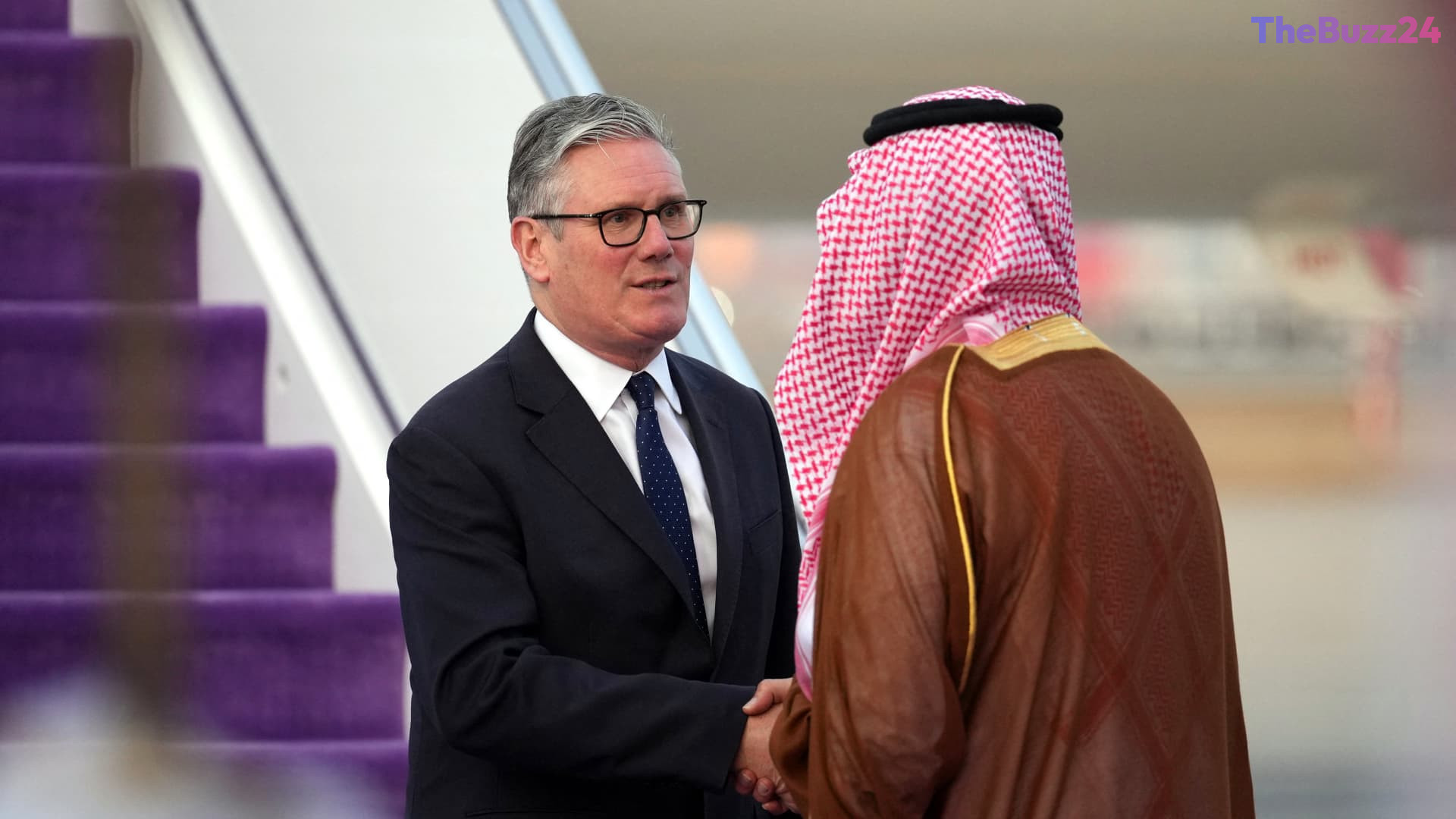
Prime Minister Keir Starmer hailed the agreement as a significant achievement for the UK’s workforce and business community, underscoring its role in fortifying the nation’s strategic economic relationships with the Gulf region. This accord marks the fifth major trade agreement secured by the current government, building on previous pacts with the European Union, the United States, India, and South Korea. Authorities are optimistic that this initiative will enhance domestic economic resilience and foster sustained job creation, providing a crucial economic stimulus amidst prevailing global geopolitical uncertainties.
Key Takeaways
- The UK has signed its first major trade deal with the Gulf Cooperation Council (GCC), a bloc of six Middle Eastern nations.
- The agreement is projected to boost the UK economy by £3.7 billion annually and save exporters £580 million in duties.
- Key British exports like dairy, cereals, and chocolate will benefit from reduced tariffs in the Gulf market.
Editor’s Analysis & Impact
This trade agreement represents a significant strategic move for the UK, aiming to diversify its economic partnerships beyond traditional allies. By securing a deal with the GCC, the UK taps into a wealthy and growing market, potentially offsetting economic challenges elsewhere. The emphasis on reducing tariffs for key British exports, particularly in the agricultural sector, suggests a targeted approach to maximizing immediate benefits. As the fifth major trade deal post-Brexit, it signals a continued commitment to global trade engagement, though its long-term success will depend on effective implementation and navigating the complex geopolitical landscape of the Middle East.
Frequently Asked Questions
Q: What is the Gulf Cooperation Council (GCC)?
A: The Gulf Cooperation Council (GCC) is a regional intergovernmental political and economic union comprising Bahrain, Kuwait, Oman, Qatar, Saudi Arabia, and the United Arab Emirates. It was established in 1981.
Q: What are the main benefits of this trade agreement for the UK?
A: The agreement is expected to increase the UK's economic value by an estimated £3.7 billion annually, raise total wages by £1.9 billion, and save British exporters approximately £580 million in duties each year. It also opens up new market access for key British products like dairy, cereals, and chocolate.
Q: Is this the first trade agreement of its kind for the UK?
A: This is the first major trade agreement the UK has finalized with the GCC bloc. It is also noted as the first such pact between a G7 nation and the GCC.
AI Disclosure: This article is based on verified data and official reports. Our Team and AI have cross-referenced every financial detail with primary sources to ensure total accuracy.
More from this Category