AI Revolutionizes Aluminum Recycling Amid Global Supply Constraints
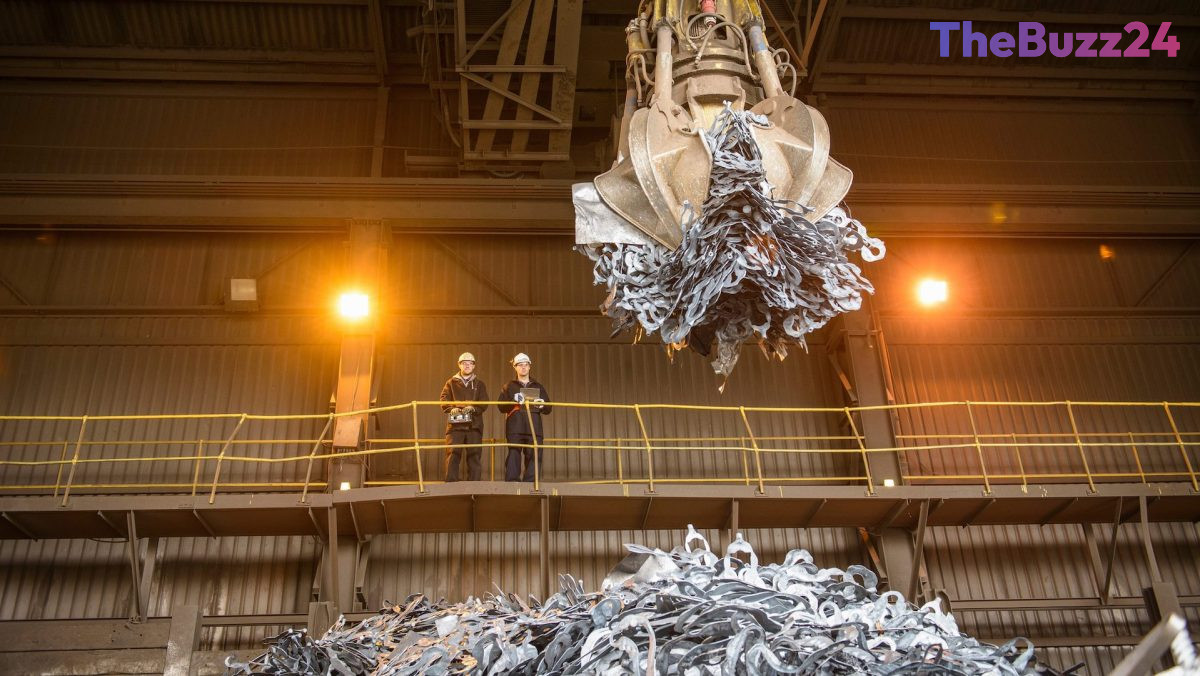
As global aluminum prices reach multi-decade highs, the domestic recycling industry is undergoing a significant technological transformation. Driven by supply chain volatility and the metal’s status as a critical industrial resource, companies are increasingly turning to artificial intelligence to bridge the gap between waste and high-value raw materials. By moving away from traditional, imprecise sorting methods, the sector is effectively turning discarded scrap into a premium commodity.
Leading the charge, Sortera has recently expanded its infrastructure with a new facility in Tennessee. This site effectively doubles the company’s processing capacity to 240 million pounds per year. The facility leverages a sophisticated array of sensors, including high-resolution cameras, lasers, and X-ray fluorescence, to achieve granular classification of scrap metal. This level of precision allows for the identification of specific aluminum grades, which significantly enhances the market value of the recycled output compared to conventional processing techniques.
Beyond specialized metal facilities, broader waste management systems are also benefiting from AI integration. Innovators like Amp are deploying robotic arms paired with infrared camera systems to extract aluminum directly from general waste streams. Historically, a substantial portion of recyclable metal was lost in mixed waste, but these automated systems now boast recovery accuracy rates exceeding 90%. By modernizing the circular economy through advanced automation, these startups are not only improving profitability but also strengthening the domestic supply chain for essential industrial materials.
Key Takeaways
- Rising aluminum prices are fueling a surge in investment for AI-driven recycling technologies.
- Companies like Sortera are using advanced sensor arrays to classify scrap metal with unprecedented precision.
- Robotic systems from firms like Amp are achieving over 90% recovery rates by extracting aluminum from general waste streams.
Editor’s Analysis & Impact
The integration of AI into the recycling sector represents a pivotal shift in the circular economy. As aluminum remains a critical component in everything from automotive manufacturing to aerospace, the ability to reclaim high-purity material domestically is a strategic economic advantage. By reducing reliance on imported raw materials, these startups are insulating the manufacturing sector from global supply chain shocks. The high recovery rates achieved by robotic sorting suggest that the ‘waste’ industry is rapidly evolving into a high-tech resource extraction sector. Looking ahead, we expect to see further consolidation and scaling of these technologies as manufacturers prioritize sustainable, locally sourced inputs to meet ESG goals and mitigate price volatility. This trend marks the beginning of a more efficient, data-driven approach to industrial material management.
Frequently Asked Questions
Q: How does AI improve the recycling of aluminum?
A: AI improves recycling by using advanced sensors, such as X-ray fluorescence and infrared cameras, to identify and sort specific grades of aluminum with high precision, which was previously difficult or impossible with manual or basic mechanical sorting.
Q: Why is domestic aluminum recycling becoming more important?
A: With aluminum prices at multi-decade highs and global supply chains facing frequent disruptions, domestic recycling provides a more reliable and cost-effective source of raw materials for local manufacturers.
AI Disclosure: This article is based on verified data and official reports. Our Team and AI have cross-referenced every financial detail with primary sources to ensure total accuracy.
More from this Category