Walmart Faces Market Headwinds as Inflationary Pressures Weigh on Future Outlook
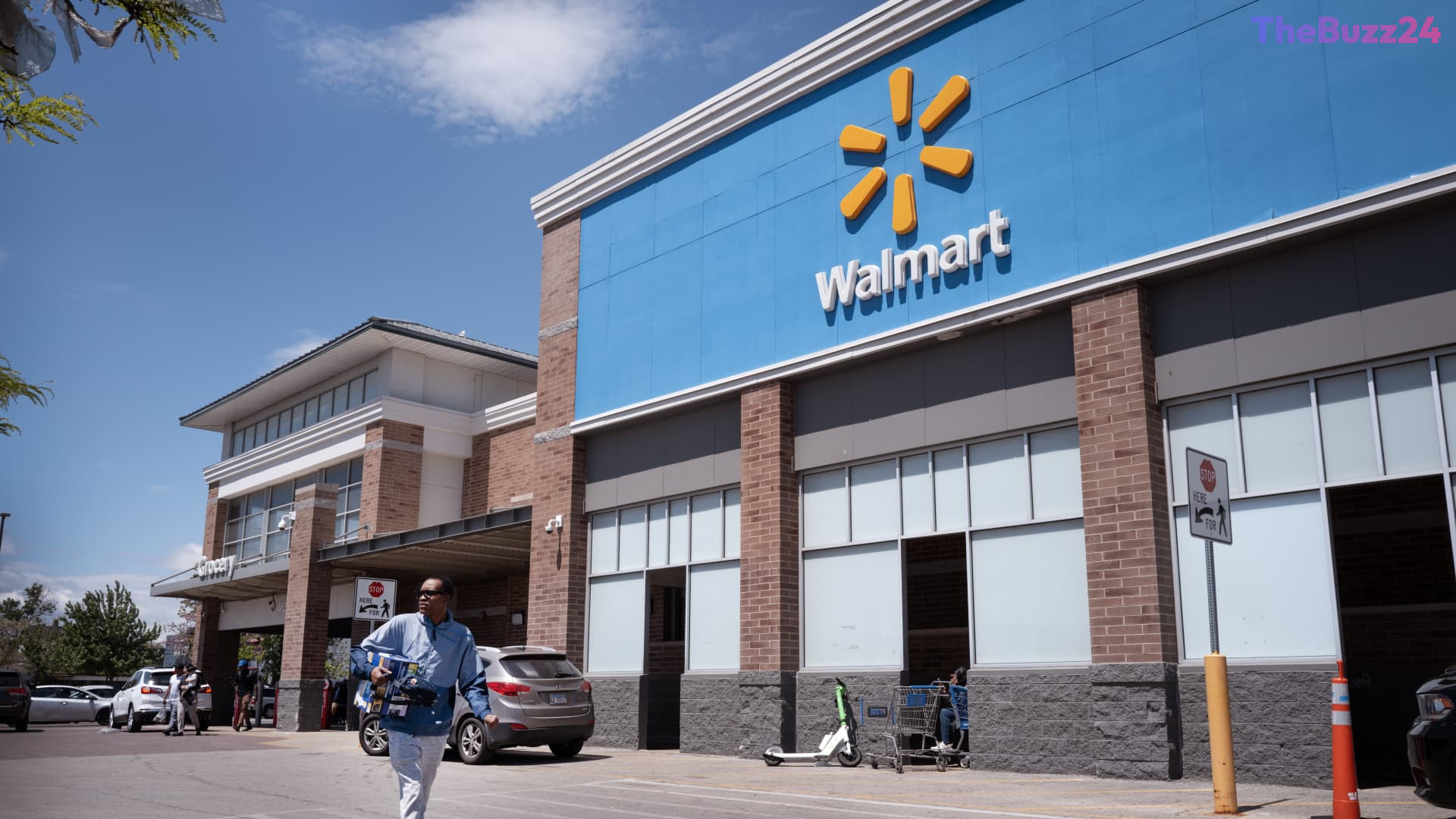
Walmart shares experienced a decline following the release of its fiscal first-quarter results, as the retail giant issued a cautious forecast that failed to meet Wall Street expectations. Although the company reported a strong 7% revenue increase to $177.8 billion, surpassing initial estimates, its forward-looking guidance signaled potential turbulence ahead. Management now projects adjusted earnings per share for the year to fall between $2.75 and $2.85, notably lower than the $2.91 target previously anticipated by analysts.
Company leadership attributed the tempered outlook to shifting consumer behavior and persistent macroeconomic challenges. Finance chief John David Rainey indicated that while early-year performance was bolstered by tax refunds, that temporary boost has since faded. Furthermore, elevated fuel costs are placing significant strain on household budgets. Data from the company shows that the average volume of fuel purchased per visit has hit its lowest point since 2022, serving as a clear indicator of tightening consumer spending habits.
Despite these obstacles, Walmart is attempting to pivot by leveraging its high-margin business segments. The company reported a 26% increase in global e-commerce sales and a 37% surge in its advertising division. These areas are becoming increasingly vital as the retailer works to balance the needs of a bifurcated customer base. While higher-income shoppers continue to frequent the stores, lower-income households are showing clear signs of financial distress, forcing the company to navigate a complex landscape of rising operational costs and price-sensitive demand.
Key Takeaways
- Walmart's full-year earnings guidance of $2.75 to $2.85 per share fell short of the $2.91 analyst consensus.
- Rising fuel costs and the depletion of tax refunds are causing a noticeable decline in consumer spending power.
- Growth in e-commerce and advertising revenue is being used to offset operational costs and maintain competitive pricing.
Editor’s Analysis & Impact
Walmart’s recent earnings report serves as a bellwether for the broader retail sector, highlighting the growing divide in consumer financial health. The company’s struggle to meet earnings expectations despite strong top-line revenue growth underscores the impact of persistent inflation on profit margins. By shifting focus toward high-margin advertising and e-commerce, Walmart is attempting to insulate itself from the volatility of traditional brick-and-mortar retail. However, the reliance on these segments suggests that the company is bracing for a prolonged period of consumer belt-tightening. Investors should monitor how effectively the retailer can maintain its ‘value’ proposition while absorbing rising logistics and fuel costs. If the current trend of lower-income financial distress continues, the company may face further pressure to sacrifice margins to keep prices low, potentially impacting long-term stock performance.
Frequently Asked Questions
Q: Why did Walmart's stock price drop despite beating revenue estimates?
A: The stock declined because the company's forward-looking earnings guidance was lower than what market analysts had projected, signaling potential future challenges.
Q: How is Walmart attempting to offset rising operational costs?
A: Walmart is focusing on high-margin growth areas, specifically its global e-commerce business and its rapidly growing advertising division, to help absorb costs like rising fuel prices.
AI Disclosure: This article is based on verified data and official reports. Our Team and AI have cross-referenced every financial detail with primary sources to ensure total accuracy.
More from this Category