SpaceX’s Starship V3 Achieves Key Milestones Amidst Engine Hiccups in Latest Test
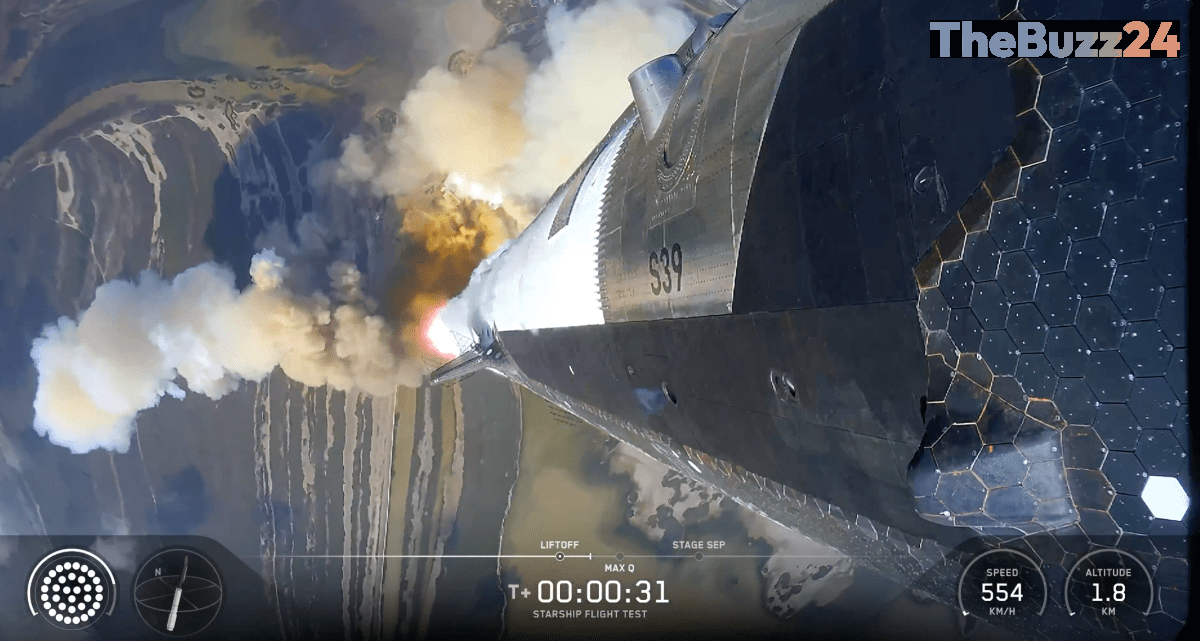
SpaceX has marked a significant step forward in its ambitious Starship program with the initial test flight of its V3 rocket. The massive 407-foot vehicle, launched from the company’s Starbase facility in Texas, showcased its advanced architecture by successfully completing the critical separation of its upper stage from the Super Heavy booster. This mission was designed to rigorously test the third-generation Raptor engines, which are engineered for enhanced thrust and greater mechanical efficiency, crucial for future heavy-lift missions.
Despite achieving several primary objectives, the flight also highlighted the inherent challenges in developing cutting-edge space technology. During the ascent phase, the Starship upper stage encountered an issue when one of its six Raptor engines malfunctioned. Nevertheless, the vehicle managed to stay on its intended course and successfully deployed its payload, which included 20 Starlink satellite simulators and two specialized filming satellites. The mission concluded with a controlled descent into the Indian Ocean, where the craft performed a simulated landing before its planned structural termination.
The Super Heavy booster experienced its own difficulties during the return journey, failing to reignite its engines for the planned landing burn. As a result, the booster descended into the Gulf of Mexico. However, SpaceX views the data gathered from this flight as exceptionally valuable for the ongoing refinement of the Starship program. By subjecting the new launchpad infrastructure and hardware to real-world operational stresses, SpaceX continues its rapid iterative development process, moving closer to its long-term objectives of lunar exploration and eventual human settlement on Mars.
Key Takeaways
- The Starship V3 successfully separated its stages and deployed its payload, even with an engine failure during ascent.
- The Super Heavy booster was lost in the Gulf of Mexico following a failure to execute its final landing burn.
- The test provided crucial performance data for the new generation of Raptor engines and the launchpad systems.
Editor’s Analysis & Impact
This latest Starship V3 test flight exemplifies SpaceX’s characteristic ‘fail-fast’ approach to development, prioritizing the acquisition of critical data over achieving a perfect mission outcome. By pushing its hardware to its operational limits, the company is accelerating its timeline for achieving heavy-lift capabilities. The integration of the third-generation Raptor engines represents a strategic move to reduce launch costs, potentially reinforcing SpaceX’s leading position in the commercial satellite deployment sector. The vehicle’s resilience in maintaining its trajectory despite engine issues points to a robust design. As SpaceX refines its rapid reusability technology, the broader aerospace industry faces potential disruption, with the economics of space exploration poised for a significant shift, making ambitious deep-space endeavors more feasible.
Frequently Asked Questions
Q: What was the main goal of the Starship V3 test flight?
A: The primary objectives were to test the performance of the third-generation Raptor engines, evaluate the upgraded V3 hardware, and confirm the readiness of the new launchpad infrastructure.
Q: Did the mission successfully deliver its payload?
A: Yes, the mission successfully deployed its payload of 20 Starlink satellite simulators and two filming satellites, despite experiencing an engine failure during the ascent.
Q: What happened to the Super Heavy booster?
A: The Super Heavy booster failed to reignite its engines for the landing burn and was lost in the Gulf of Mexico.
AI Disclosure: This article is based on verified data and official reports. Our Team and AI have cross-referenced every financial detail with primary sources to ensure total accuracy.
More from this Category