Ebola Outbreak Escalates in DR Congo as Regional Health Risks Mount
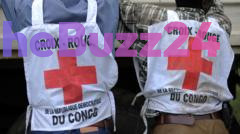
The Ebola crisis in the Democratic Republic of Congo has reached a critical juncture following the deaths of three humanitarian volunteers in the Ituri region. The individuals, who were assisting with burial protocols in the town of Mongwalu, are believed to have been exposed to the virus while handling remains, underscoring the extreme danger posed by the disease even after a patient has passed away.
This surge is particularly concerning due to the involvement of the Bundibugyo strain, a rare variant for which there is currently no proven vaccine. With a fatality rate hovering around 33%, the outbreak has already accounted for over 750 suspected cases and 170 deaths. Consequently, the public health risk assessment for the region has been elevated to ‘very high,’ signaling a significant threat not only to the Democratic Republic of Congo but to neighboring nations as well.
In an attempt to contain the spread, officials have implemented a total suspension of commercial and private air travel to and from Bunia. Despite these measures, the situation remains precarious. Uganda has already reported new cases, and health authorities have identified ten additional countries—including Rwanda, Kenya, and Angola—as being at elevated risk of cross-border transmission.
Containment efforts are being severely hindered by ongoing instability in the region. Humanitarian operations are frequently disrupted by civil unrest, including the destruction of medical facilities and aid stations. Furthermore, the persistent presence of the M23 rebel group in eastern provinces continues to obstruct the delivery of life-saving medical supplies and personnel, creating a complex environment where the virus can thrive unchecked.
Key Takeaways
- Three humanitarian volunteers have died from Ebola in the Ituri region, highlighting the extreme risks faced by frontline workers.
- The outbreak involves the rare Bundibugyo strain, which lacks a proven vaccine and has a high fatality rate.
- Regional security challenges, including rebel activity and civil unrest, are significantly impeding containment and medical aid efforts.
Editor’s Analysis & Impact
The current Ebola outbreak in the Democratic Republic of Congo represents a multifaceted crisis where biological threats intersect with geopolitical instability. The emergence of the Bundibugyo strain, combined with the lack of a vaccine, creates a high-stakes environment for global health security. The primary concern for the international community is the potential for the virus to cross borders into densely populated neighboring nations, which could trigger a much larger regional epidemic. Furthermore, the inability of aid organizations to operate safely due to the M23 insurgency and local civil unrest suggests that traditional containment strategies—such as contact tracing and safe burials—will remain ineffective without a significant improvement in regional security. Future outlooks remain grim unless humanitarian corridors can be secured and international health resources are mobilized to address both the medical and security dimensions of this emergency.
Frequently Asked Questions
Q: Why is the Bundibugyo strain of Ebola considered particularly dangerous?
A: The Bundibugyo strain is considered dangerous because it is a rare variant for which there is currently no proven vaccine, and it carries a significant fatality rate of approximately one-third.
Q: How is the security situation in the DR Congo affecting the Ebola response?
A: Ongoing conflict involving the M23 rebel group and general civil unrest have led to the destruction of medical facilities and aid tents, making it extremely difficult for health workers to provide essential care and contain the spread of the virus.
AI Disclosure: This article is based on verified data and official reports. Our Team and AI have cross-referenced every financial detail with primary sources to ensure total accuracy.
More from this Category