Oil Tanker Traffic Halves in Strait of Hormuz as Iran-U.S. Conflict Intensifies
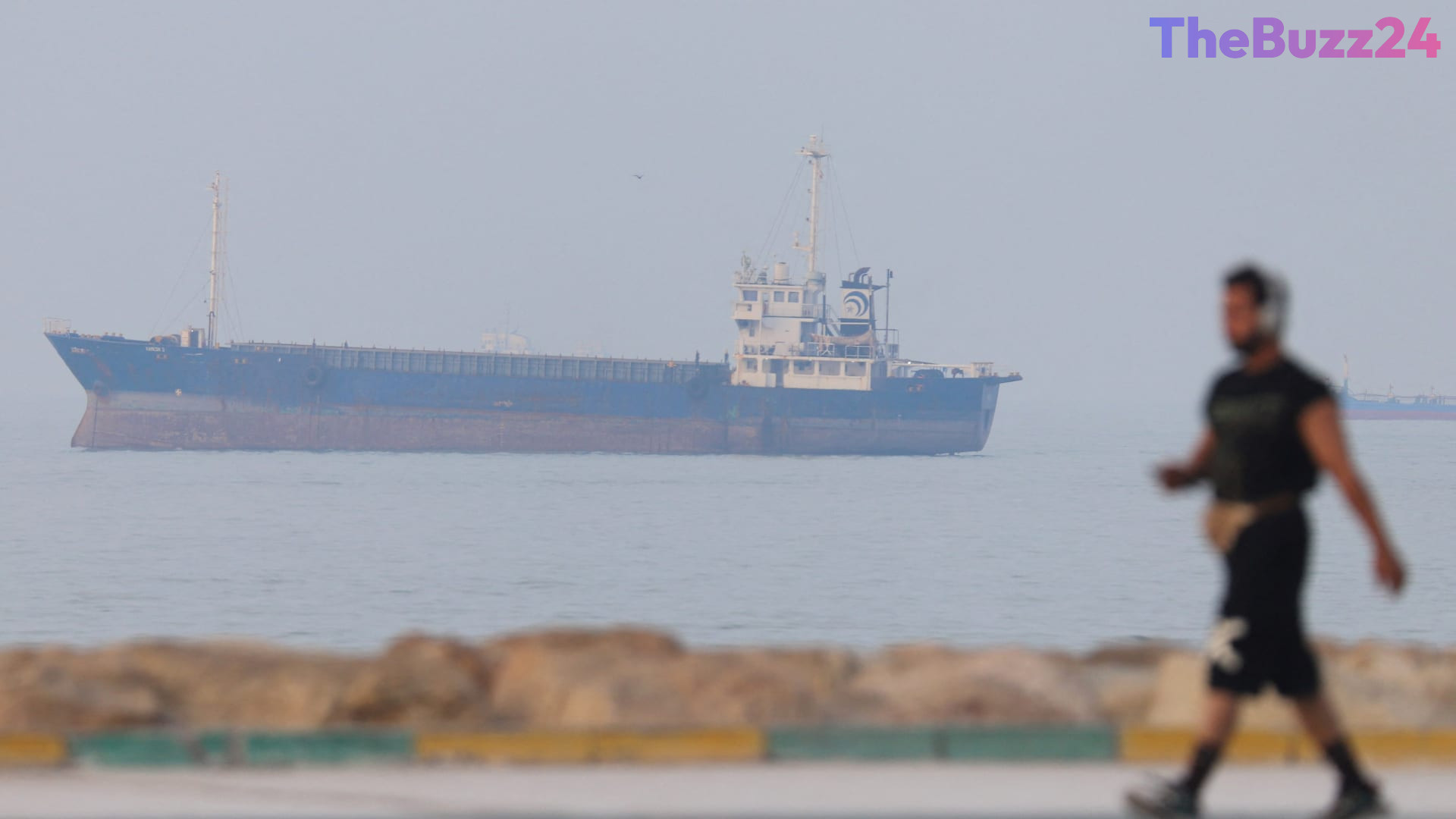
Oil tanker traffic through the Strait of Hormuz has seen a drastic reduction, with daily crossings plummeting following recent Iranian attacks on commercial vessels and a subsequent escalation of tensions with the United States. Data from trade intelligence firm Kpler indicates that only thirteen tankers traversed the vital waterway on Wednesday, a significant drop from the average of thirty-three per day observed over the preceding week.
This slowdown is a direct consequence of renewed hostilities, which have seen Iran target ships and the U.S. respond with airstrikes and the reimposition of oil sanctions. President Donald Trump has stated his belief that the ceasefire with Iran is over. The heightened geopolitical risk has sent shockwaves through the oil market, with prices rallying over 6% this week as investors express concern about potential disruptions to crude exports from the strategically critical strait. However, industry analysts, such as Andy Lipow of Lipow Oil Associates, suggest the market is not anticipating a complete closure but rather pricing in a “new normal” characterized by intermittent periods of conflict.
Adding to the complexity, Iran has reportedly demanded that ships utilize a northern route under its control for safe passage, contrasting with the southern corridor along Oman’s coast, which is protected by the U.S. Navy. Maritime intelligence analysts, including Michelle Wiese Bockmann from Windward, interpret this as a deliberate campaign by Iran to destabilize the southern route and send a message to Gulf State producers. This current situation echoes a previous, prolonged closure of Hormuz that occurred after the death of Ayatollah Ali Khamenei, which resulted in one of history’s most significant oil supply disruptions, underscoring the potential severity of ongoing tensions.
Key Takeaways
- Oil tanker traffic through the Strait of Hormuz has significantly decreased, with daily crossings dropping from an average of 33 to 13, following recent Iranian attacks on commercial ships.
- The slowdown is a direct result of escalating tensions between Iran and the U.S., marked by Iranian attacks, U.S. retaliatory airstrikes, and renewed oil sanctions.
- While oil prices have rallied over 6% due to supply disruption fears, market analysts suggest the industry is adapting to a "new normal" of intermittent conflict rather than pricing in a complete closure of the vital strait.
Editor’s Analysis & Impact
The immediate impact of the escalating tensions in the Strait of Hormuz is a significant spike in global oil prices, reflecting heightened risk premiums and investor anxiety over supply disruptions. This instability in such a crucial chokepoint creates substantial volatility for energy markets, with traders closely monitoring geopolitical developments for any further escalation. The ‘new normal’ described by analysts suggests a prolonged period of unease and sporadic confrontations rather than a swift resolution. This implies sustained higher shipping costs, increased insurance premiums, and potential rerouting challenges for oil companies. The broader implications include a renewed focus on the fragility of global supply chains reliant on key maritime passages, potentially accelerating efforts by nations to diversify energy sources and transport routes, influencing long-term investment in alternative energy and infrastructure projects.
Frequently Asked Questions
Q: What is the Strait of Hormuz and why is it important?
A: The Strait of Hormuz is a narrow, strategically vital waterway connecting the Persian Gulf to the Arabian Sea and the open ocean. It is the world's most important oil transit chokepoint, with a significant portion of the world's seaborne oil passing through it daily, making it crucial for global energy supplies.
Q: What caused the recent slowdown in tanker traffic through the Strait of Hormuz?
A: The slowdown was triggered by recent Iranian attacks on commercial ships in the strait, which led to a renewed escalation of conflict with the United States. This included U.S. retaliatory airstrikes and the reimposition of oil sanctions, creating an environment of heightened risk for maritime shipping.
Q: How has the oil market reacted to the tensions in the Strait of Hormuz?
A: Oil prices have rallied significantly, rising over 6% as investors worry about potential disruptions to crude exports. However, market analysts suggest that while the risk premium has increased, the market is not currently pricing in a complete closure of the strait, but rather anticipating periods of conflict interspersed with relative calm.
AI Disclosure: This article is based on verified data and official reports. Our Team and AI have cross-referenced every financial detail with primary sources to ensure total accuracy.
More from this Category