Trump’s Trade Leverage Over Spain: Legal Authority vs. Diplomatic Thaw
President Donald Trump retains the legal authority to potentially sever trade ties with Spain, utilizing the International Emergency Economic Powers Act (IEEPA). While the Supreme Court previously limited the use of this statute regarding reciprocal tariffs, U.S. Trade Representative Jamieson Greer clarified that the law still grants the executive branch broad powers to prohibit trade under specific national emergency declarations. This mechanism is historically reserved for adversarial nations, such as North Korea, but remains a tool within the administration’s arsenal.
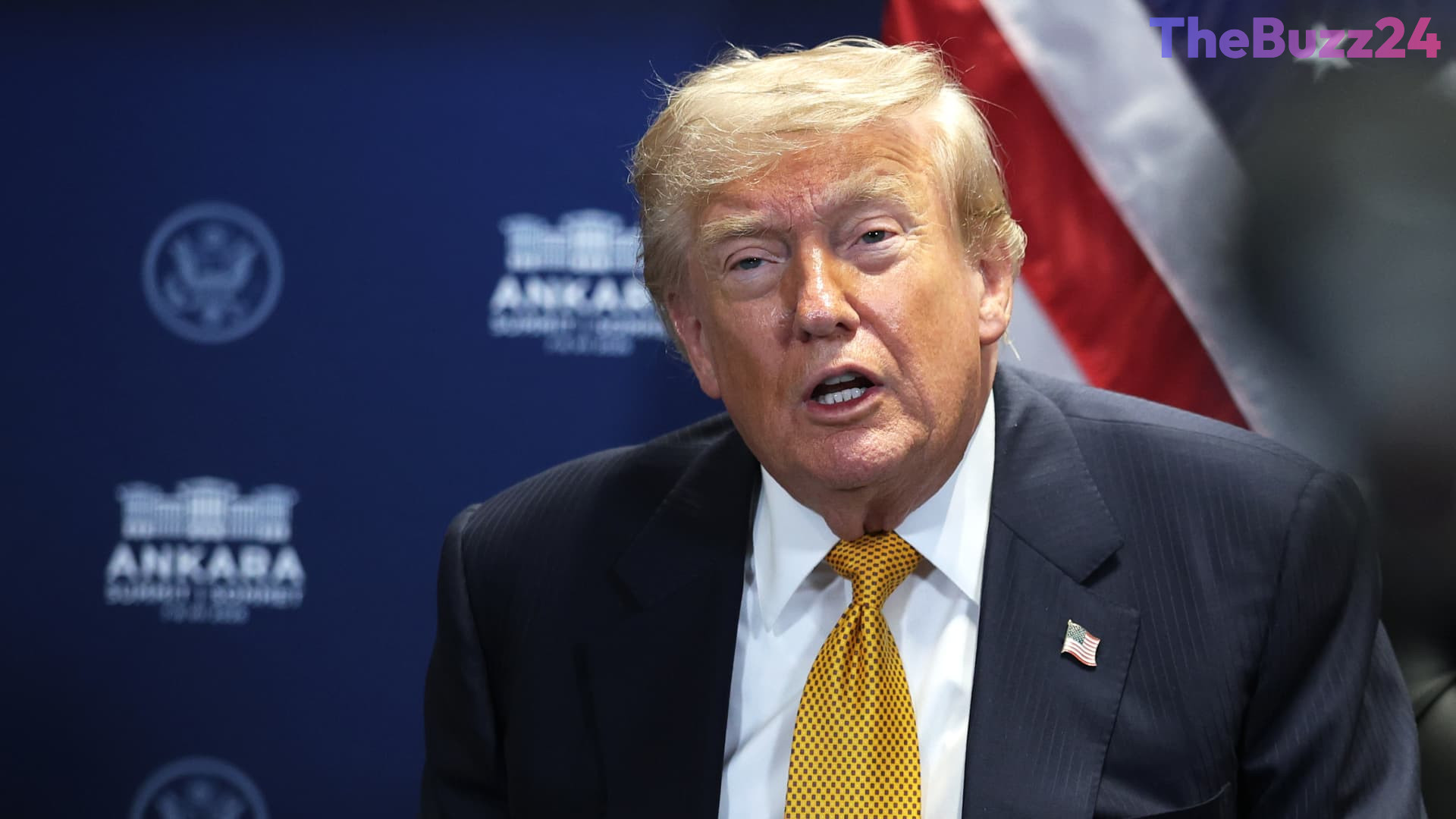
The threat of a trade embargo emerged following intense friction between the U.S. and Spain regarding NATO defense spending. President Trump had publicly criticized Spain for its refusal to meet his demand that all alliance members contribute 5% of their gross domestic product toward defense. During a recent NATO summit in Ankara, the President expressed deep frustration, suggesting a complete cessation of economic and diplomatic relations with the country.
However, the situation appears to have de-escalated following a productive meeting between President Trump and Spanish Prime Minister Pedro Sánchez. While the President initially demanded a total trade divorce, he later signaled a shift in tone, noting that Spain had become more cooperative regarding financial commitments. Administration officials have indicated that while the legal option to restrict trade remains on the table, there is currently no imminent plan to pursue such drastic measures, as diplomatic channels continue to yield positive developments.
Key Takeaways
- President Trump holds the legal authority under IEEPA to potentially halt trade with Spain, despite previous Supreme Court limitations on the law.
- The threat of a trade embargo was primarily driven by disputes over Spain's NATO defense spending contributions.
- Diplomatic tensions have eased following a 'good meeting' between President Trump and Prime Minister Pedro Sánchez, making an immediate trade cutoff unlikely.
Editor’s Analysis & Impact
The situation highlights the volatile intersection of national security policy and international trade. By leveraging economic tools like IEEPA to enforce defense spending targets, the administration is signaling a departure from traditional diplomatic norms toward a more transactional ‘America First’ approach. The market impact of such threats is significant, as Spain is a key exporter of pharmaceuticals, refined petroleum, and electrical components to the U.S. While the current thaw suggests a temporary reprieve, the precedent of using trade policy as a cudgel for military spending compliance creates long-term uncertainty for global supply chains. Investors should monitor how these bilateral negotiations influence broader EU-U.S. trade relations, as any move to isolate a member state could trigger retaliatory measures from the European Union, potentially escalating into a wider transatlantic trade dispute.
Frequently Asked Questions
Q: What is the IEEPA and how does it relate to trade with Spain?
A: The International Emergency Economic Powers Act (IEEPA) is a law that allows the U.S. President to regulate commerce after declaring a national emergency. It is the legal framework that could theoretically be used to restrict trade with Spain.
Q: Why was President Trump threatening to cut off trade with Spain?
A: The threat was a response to Spain's resistance to increasing its NATO defense spending to 5% of its GDP, a target President Trump has set for all alliance members.
AI Disclosure: This article is based on verified data and official reports. Our Team and AI have cross-referenced every financial detail with primary sources to ensure total accuracy.
More from this Category