Autonomous Transit Hurdles and the Growing Integration of the Musk Corporate Empire
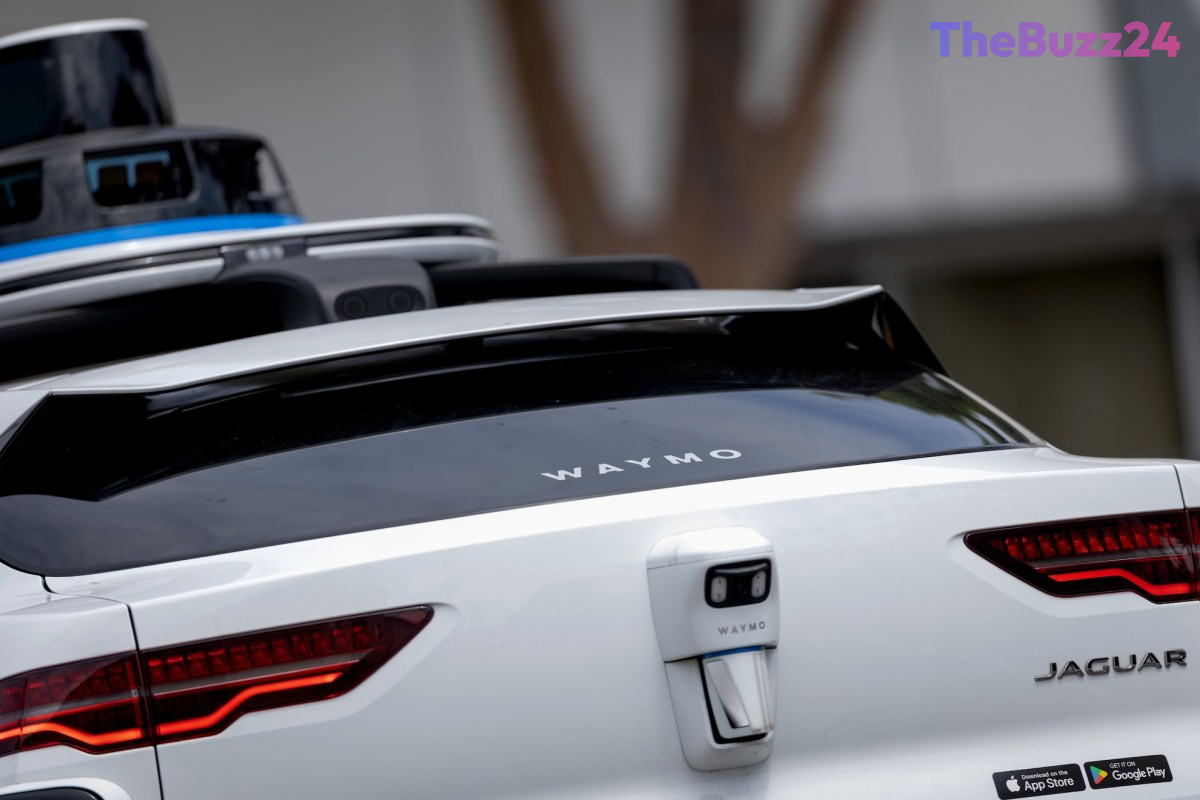
The path toward widespread autonomous public transportation is facing significant technical and environmental hurdles, forcing industry leaders to recalibrate their deployment strategies. Waymo, a prominent player in the self-driving sector, has recently paused operations in several major U.S. cities, including Atlanta, Dallas, Houston, San Antonio, Austin, and Nashville. These suspensions are largely due to the current inability of autonomous systems to reliably navigate severe weather conditions like heavy rain and flooding. Furthermore, the company has scaled back freeway operations in cities such as San Francisco, Los Angeles, Phoenix, and Miami to refine system performance in complex construction zones, highlighting the ongoing challenges of achieving full-scale commercial viability.
Parallel to these developments, the corporate ecosystem surrounding Elon Musk’s ventures is showing signs of deeper integration. Financial reports indicate a growing synergy between Tesla, SpaceX, and The Boring Company, marked by increased cross-procurement of energy storage and specialized vehicle technology. The integration of xAI into the SpaceX infrastructure has intensified market speculation regarding a potential future consolidation of these entities. Initiatives such as the Terafab chip-manufacturing facility and the Macrohard AI platform point toward a long-term strategy aimed at centralizing technological infrastructure across Musk’s diverse business interests.
Meanwhile, the broader transportation sector is witnessing a flurry of venture capital activity and strategic partnerships. Startups like Aboard and Quartermaster are attracting significant investment to advance electric travel and maritime sensing technologies. Established automotive players are also pivoting; May Mobility has announced plans to deploy thousands of robotaxis by 2028 in partnership with Ecarx, while Stellantis is working with Wayve to incorporate advanced driving software. As ride-hailing platforms like Uber and Lyft continue to integrate autonomous fleets, the industry remains focused on navigating the delicate balance between rapid technological scaling and the rigorous demands of safety and regulatory compliance.
Key Takeaways
- Waymo has suspended operations in several U.S. cities due to technical limitations regarding adverse weather and complex road construction.
- Elon Musk’s companies are increasingly sharing resources and technology, fueling speculation about potential future corporate consolidation.
- The autonomous vehicle industry is shifting toward strategic partnerships and vertical integration to overcome high R&D costs and regulatory barriers.
Editor’s Analysis & Impact
The autonomous vehicle sector is currently navigating a critical maturation phase, moving from experimental hype to the practical realities of environmental and infrastructure limitations. Waymo’s operational pauses underscore that AI-driven transit is not yet a universal solution, necessitating a more cautious approach to deployment. Simultaneously, the deepening integration within the Musk-led corporate web suggests a strategic shift toward vertical integration. By controlling the entire stack—from hardware and energy storage to AI compute power—these companies are building a significant competitive moat. The broader market impact will likely result in a ‘survival of the fittest’ scenario, where only firms with substantial capital reserves and the ability to form strategic alliances with legacy automakers will successfully navigate the high costs of R&D and the stringent regulatory landscape.
Frequently Asked Questions
Q: Why has Waymo suspended operations in several U.S. cities?
A: Waymo paused operations in several cities because their autonomous vehicles struggled to safely navigate adverse weather conditions, such as heavy rain and flooding, as well as complex road construction zones.
Q: Is there an official merger planned between Tesla and SpaceX?
A: While there is significant industry speculation regarding a potential merger due to their deepening financial and operational ties, no official merger between Tesla and SpaceX has been announced.
AI Disclosure: This article is based on verified data and official reports. Our Team and AI have cross-referenced every financial detail with primary sources to ensure total accuracy.
More from this Category