Curiosity Rover Achieves Breakthrough Martian Drilling at Campo Marte
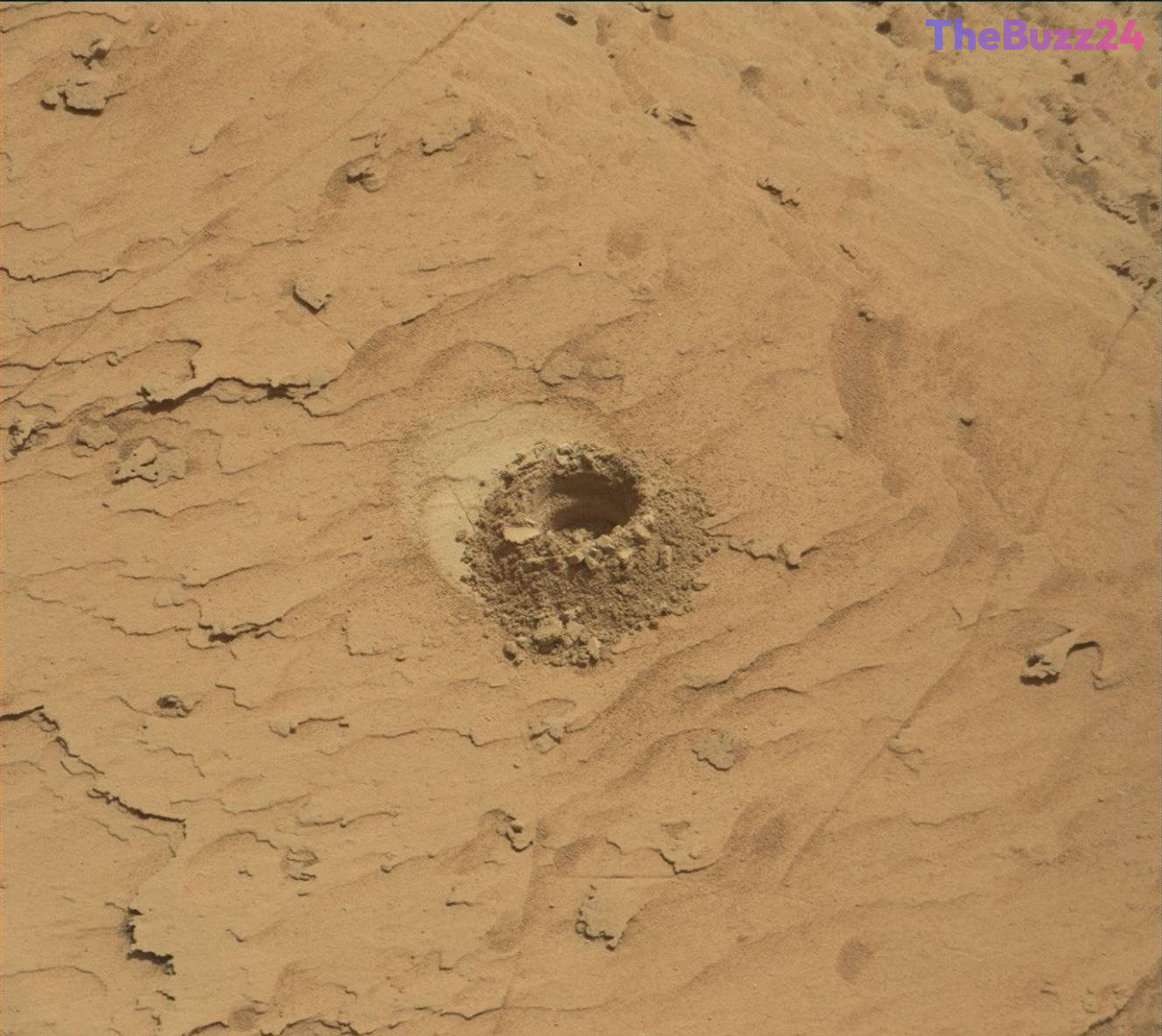
The Curiosity rover has reached a significant milestone in its ongoing exploration of the Martian surface by successfully extracting a rock sample from the geological site known as Campo Marte. This achievement follows a period of heightened operational caution, during which mission controllers paused drilling activities after a rock fragment was dislodged at a nearby site called Atacama. The incident prompted a comprehensive review of telemetry and imaging data to ensure the safety of the rover’s hardware before resuming operations.
Following the successful extraction, high-resolution imagery confirmed that the rover secured a viable quantity of rock powder. To maintain the integrity of the specimen, the team conducted a series of rigorous drop-off tests. These procedures were critical to verifying that the rover’s internal delivery mechanisms were functioning correctly before the material was transferred to the onboard CheMin and SAM laboratory instruments for detailed chemical analysis.
Although the drill reached a depth of 28 millimeters—slightly shy of the standard 35-millimeter target—scientists have expressed confidence in the quality of the collected material. Initial data from the CheMin instrument is currently being used to calibrate the SAM laboratory for further testing. The mission team plans to conduct additional assessments to determine the exact volume of the sample, which is expected to provide valuable insights into the geological history of the Martian landscape and the rover’s ongoing mechanical performance.
Key Takeaways
- Curiosity successfully resumed drilling operations at the Campo Marte site after a precautionary pause.
- Engineers performed essential drop-off tests to ensure the rock sample remained uncontaminated before laboratory processing.
- The collected material is undergoing chemical analysis to reveal new details about the geological evolution of Mars.
Editor’s Analysis & Impact
The successful drilling operation at Campo Marte underscores the remarkable endurance and adaptability of the Curiosity mission, which continues to provide high-value scientific data long after its initial operational goals were met. By overcoming technical hurdles through remote hardware recalibration, the mission team has demonstrated the viability of long-term robotic maintenance in extreme, inaccessible environments. This achievement is pivotal for planetary science, as the data extracted from these samples directly informs our understanding of Martian mineralogy and environmental history. Looking ahead, the ability to perform precise, in-situ chemical analysis remains the gold standard for planetary exploration. These findings not only refine our current knowledge of the Red Planet but also serve as a critical blueprint for the strategic planning of future robotic missions and the eventual goal of human-led exploration.
Frequently Asked Questions
Q: Why was the previous drilling attempt at the Atacama site aborted?
A: The attempt was halted because a rock fragment was accidentally dislodged during the process, leading engineers to pause operations to review telemetry and ensure the rover's hardware remained safe.
Q: Which instruments are used to analyze the Martian rock samples?
A: The collected rock powder is analyzed by the rover's internal CheMin and SAM laboratory instruments, which are designed to perform complex chemical and mineralogical assessments.
AI Disclosure: This article is based on verified data and official reports. Our Team and AI have cross-referenced every financial detail with primary sources to ensure total accuracy.
More from this Category