The Evolving Role of Medical Transparency in Presidential Politics
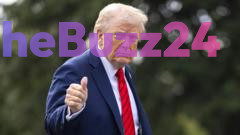
Former President Donald Trump has been cleared by his medical team following a recent annual examination, with his physician reporting strong cardiac, pulmonary, and neurological health. The assessment confirms that the former president maintains the physical capacity required for the rigors of the presidency. While the overall findings were positive, medical staff recommended a continued emphasis on weight management and consistent physical activity to support long-term health.
The disclosure of medical information for high-ranking officials has undergone a significant transformation, shifting from a traditionally private matter to a strategic element of political communication. In previous decades, leaders often kept health issues confidential to maintain an image of absolute strength. Today, however, medical summaries are frequently utilized as a tool to reassure the public of a candidate’s executive stability and fitness for office.
As the age of political candidates becomes a focal point of national debate, these medical reports are increasingly subject to intense partisan scrutiny. Voters are placing a higher premium on the cognitive and physical acuity of their leaders, turning personal health data into a high-stakes component of modern campaigning. Even minor health updates are now frequently analyzed to challenge or defend a candidate’s suitability for the presidency.
Despite the public nature of these summary memos, the full scope of a president’s medical history remains largely shielded from public view. Current regulations do not mandate the release of comprehensive medical records, leaving the level of detail to the discretion of the administration. This regulatory gap continues to fuel ongoing debates regarding whether the information provided to the public offers a truly transparent view of a leader’s health or a carefully curated narrative designed to satisfy political optics.
Key Takeaways
- Donald Trump's recent medical evaluation indicates good overall health, with professional advice to maintain fitness and weight management.
- Presidential health disclosures have evolved into a strategic political tool used to demonstrate executive fitness to the electorate.
- There is no legal requirement for presidents to disclose full medical records, leading to ongoing questions about the depth and transparency of the information provided.
Editor’s Analysis & Impact
The intersection of presidential health and public policy has become an increasingly volatile area of political discourse. As the average age of political leaders rises, the demand for transparency regarding physical and cognitive health is likely to intensify. This trend suggests that future campaigns will face unprecedented pressure to provide more granular medical data, potentially shifting the standard for what constitutes ‘fit for office.’ From an institutional perspective, the health of a head of state is a critical variable in geopolitical stability; therefore, the lack of standardized, comprehensive reporting creates a vacuum often filled by speculation. Moving forward, we can expect medical transparency to become a permanent fixture of political vetting, with voters increasingly prioritizing health disclosures alongside policy platforms, ultimately forcing a reevaluation of privacy norms for the nation’s highest office.
Frequently Asked Questions
Q: Are U.S. presidents legally required to release their full medical records?
A: No, there is no legal mandate under current U.S. law that requires a sitting president or a candidate to release comprehensive medical records to the public.
Q: Why has presidential health become a more prominent political issue recently?
A: Increased public interest in the age and physical acuity of recent leaders, combined with the use of medical data as a tool in partisan debates, has made health reports a central point of scrutiny in modern political campaigns.
AI Disclosure: This article is based on verified data and official reports. Our Team and AI have cross-referenced every financial detail with primary sources to ensure total accuracy.
More from this Category