European Defense Sector Faces Market Correction Amid Shift Toward Fundamental Scrutiny
The European defense sector, which experienced a period of explosive growth throughout 2025, is currently undergoing a significant cooling phase. After years of rapid expansion driven by heightened geopolitical tensions and increased state military spending, the Stoxx Europe Aerospace & Defence index has seen a 1.2% decline year-to-date. This performance stands in contrast to the broader Stoxx 600 index, which has posted a 4.8% return, signaling a shift in investor sentiment from broad-based optimism to cautious selectivity.
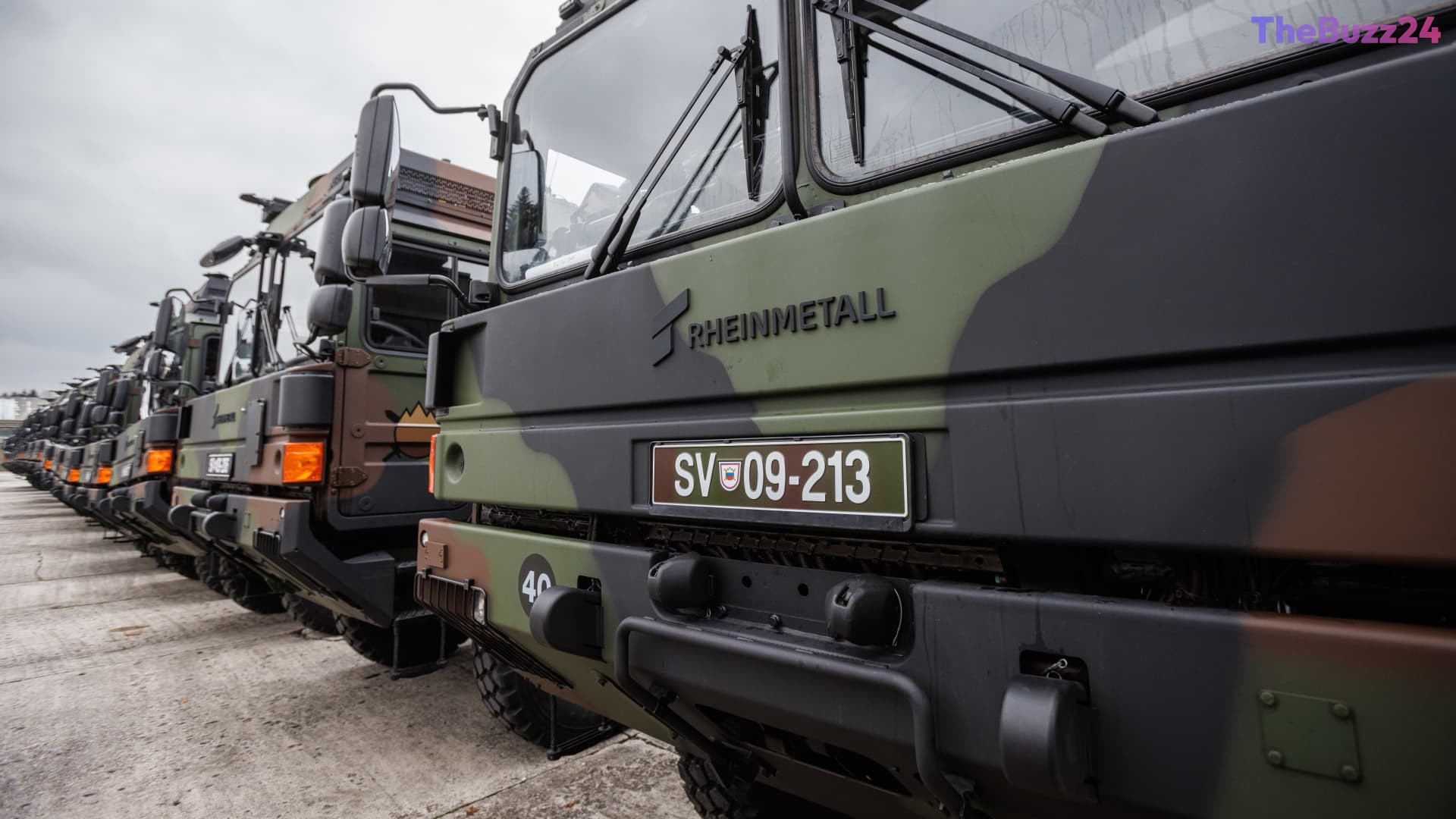
Market analysts suggest that 2026 represents a period of consolidation for the industry. While the initial surge in defense spending was fueled by urgent geopolitical necessity, investors are now pivoting their focus toward concrete earnings, cash flows, and operational delivery. The high valuations of major industry players, such as Rheinmetall, have come under intense scrutiny following underwhelming first-quarter earnings reports. With many stocks trading at high multiples that already account for years of sustained growth, the market is struggling to justify further price appreciation without clear evidence of sustained profitability.
Beyond financial metrics, the industry faces structural questions regarding the future of modern warfare. The evolving nature of conflict, characterized by the rise of drone technology and counter-drone systems, has led some experts to question the long-term demand for traditional land-based equipment like heavy tanks and artillery. Companies that offer diversified product suites, particularly those specializing in electronic components, are expected to demonstrate greater resilience than those tethered to legacy hardware.
Despite the current plateau, pockets of volatility and growth remain. Recent developments, including a significant loan agreement for Ukraine and potential deals involving Saab’s Gripen fighter jets, have provided short-term boosts to specific stocks. As the sector matures, the focus will likely remain on which firms can successfully adapt their product pipelines to meet the changing demands of global defense requirements while maintaining the margins expected by shareholders.
Key Takeaways
- European defense stocks are shifting from a phase of rapid, speculative growth to a period of consolidation focused on fundamental earnings and cash flow.
- Investors are becoming increasingly selective, favoring companies with diversified product portfolios and advanced electronic capabilities over those reliant on traditional land-based hardware.
- The industry faces long-term uncertainty regarding the future of warfare, as the effectiveness of traditional tanks and artillery is being challenged by the rise of drone-centric combat.
Editor’s Analysis & Impact
The European defense sector is currently navigating a ‘valuation hangover’ following the massive capital inflows of 2025. The market is transitioning from a macro-driven trade—where any defense-related asset was a buy—to a micro-driven environment where operational execution is paramount. The primary risk for the industry is the disconnect between current high valuations and the reality of long-term procurement cycles. Furthermore, the shift in warfare dynamics toward low-cost, high-tech drone solutions poses an existential threat to manufacturers of heavy, expensive legacy platforms. Looking ahead, we expect continued volatility as the market separates ‘winners’—those with strong order backlogs and technological agility—from ‘losers’ that may struggle to pivot their manufacturing focus. Investors should anticipate a period of sideways movement until the next wave of government contracts translates into tangible revenue growth.
Frequently Asked Questions
Q: Why are European defense stocks underperforming compared to the broader market in 2026?
A: The sector is undergoing a consolidation phase where investors are moving away from speculative growth and demanding proof of earnings, cash flow, and delivery on government contracts.
Q: How is the nature of modern warfare affecting defense company valuations?
A: The rise of drone and counter-drone warfare has led analysts to question the long-term demand for traditional land-based equipment like tanks, favoring companies that are diversified into electronic components and modern technology.
AI Disclosure: This article is based on verified data and official reports. Our Team and AI have cross-referenced every financial detail with primary sources to ensure total accuracy.
More from this Category