Amazon Extends Prime Day to Four Days Amid Shifting Consumer Spending Habits
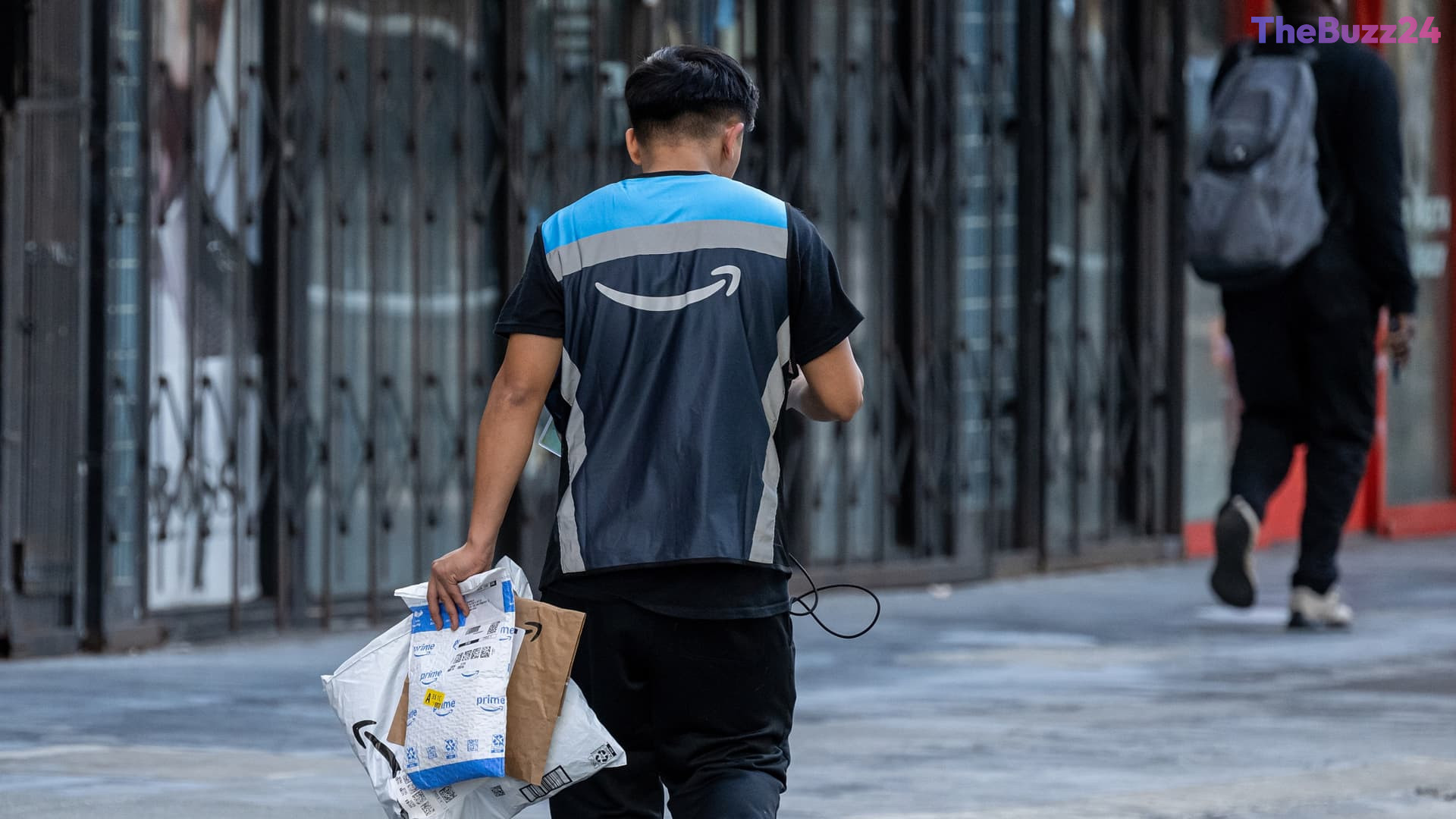
Amazon has officially announced that its annual Prime Day shopping event will span four days this year, running from June 23 through June 26. This marks the second consecutive year the retail giant has opted for an extended timeframe, a strategy designed to capitalize on sustained consumer engagement throughout the duration of the sale.
Originally launched in 2015, Prime Day has evolved into a mid-year retail phenomenon intended to drive subscriptions to Amazon’s $139-a-year loyalty program while boosting sales of the company’s proprietary hardware and services. By rolling out new, limited-time discounts daily, the company aims to encourage repeat visits and sustained browsing from its member base.
This year’s event arrives against a backdrop of significant economic pressure, as recent data indicates that U.S. consumer sentiment has reached record lows. In response to rising costs and inflationary concerns, Amazon is shifting its promotional focus toward essential goods. Shoppers can expect deep discounts on groceries, including produce and meats, as well as household staples like personal care products, signaling a pivot away from discretionary spending toward utility-focused purchases.
Company leadership acknowledges the current financial climate, noting that consumers are increasingly prioritizing value and budget management. By emphasizing everyday necessities alongside traditional tech favorites like Echo smart speakers, Amazon hopes to remain a vital resource for households looking to stretch their budgets further during a period of widespread economic uncertainty.
Key Takeaways
- Amazon's Prime Day will run for four days, from June 23 to June 26, to maximize member engagement.
- The event is shifting its promotional strategy to focus heavily on groceries and household essentials rather than just luxury or tech items.
- The extension reflects a strategic response to record-low consumer sentiment and the need to provide value during a period of high inflation.
Editor’s Analysis & Impact
The decision to extend Prime Day to four days is a calculated move by Amazon to maintain market dominance during a period of cooling consumer confidence. By pivoting toward essential goods like groceries and household supplies, Amazon is effectively positioning itself as a deflationary hedge for the average household. This strategy not only protects their market share against discount-focused competitors but also reinforces the value proposition of the Prime subscription model. Looking ahead, the success of this event will serve as a bellwether for broader retail health. If Amazon can successfully capture wallet share through essential goods, it may force other major retailers to accelerate their own mid-year promotional calendars, potentially leading to a more aggressive and prolonged summer discount season across the entire e-commerce landscape.
Frequently Asked Questions
Q: When is Prime Day taking place this year?
A: Prime Day is scheduled to run for four days, starting on June 23 and concluding on June 26.
Q: Why is Amazon focusing on groceries and household items this year?
A: Due to record-low consumer sentiment and inflationary pressures, Amazon is prioritizing essential goods to help shoppers manage their budgets and provide more value during the sale.
AI Disclosure: This article is based on verified data and official reports. Our Team and AI have cross-referenced every financial detail with primary sources to ensure total accuracy.
More from this Category