U.S. Leadership Reaffirms Ongoing Iran Negotiations Amid Conflicting Reports
President Donald Trump and Secretary of State Marco Rubio have publicly dismissed reports suggesting that diplomatic channels between the United States and Iran have been severed. Despite claims from Iranian state-affiliated outlets that communication had ceased, the administration maintains that dialogue remains active and continuous. Trump emphasized on social media that discussions have persisted daily, urging the Iranian leadership to reach a formal agreement to resolve long-standing tensions.
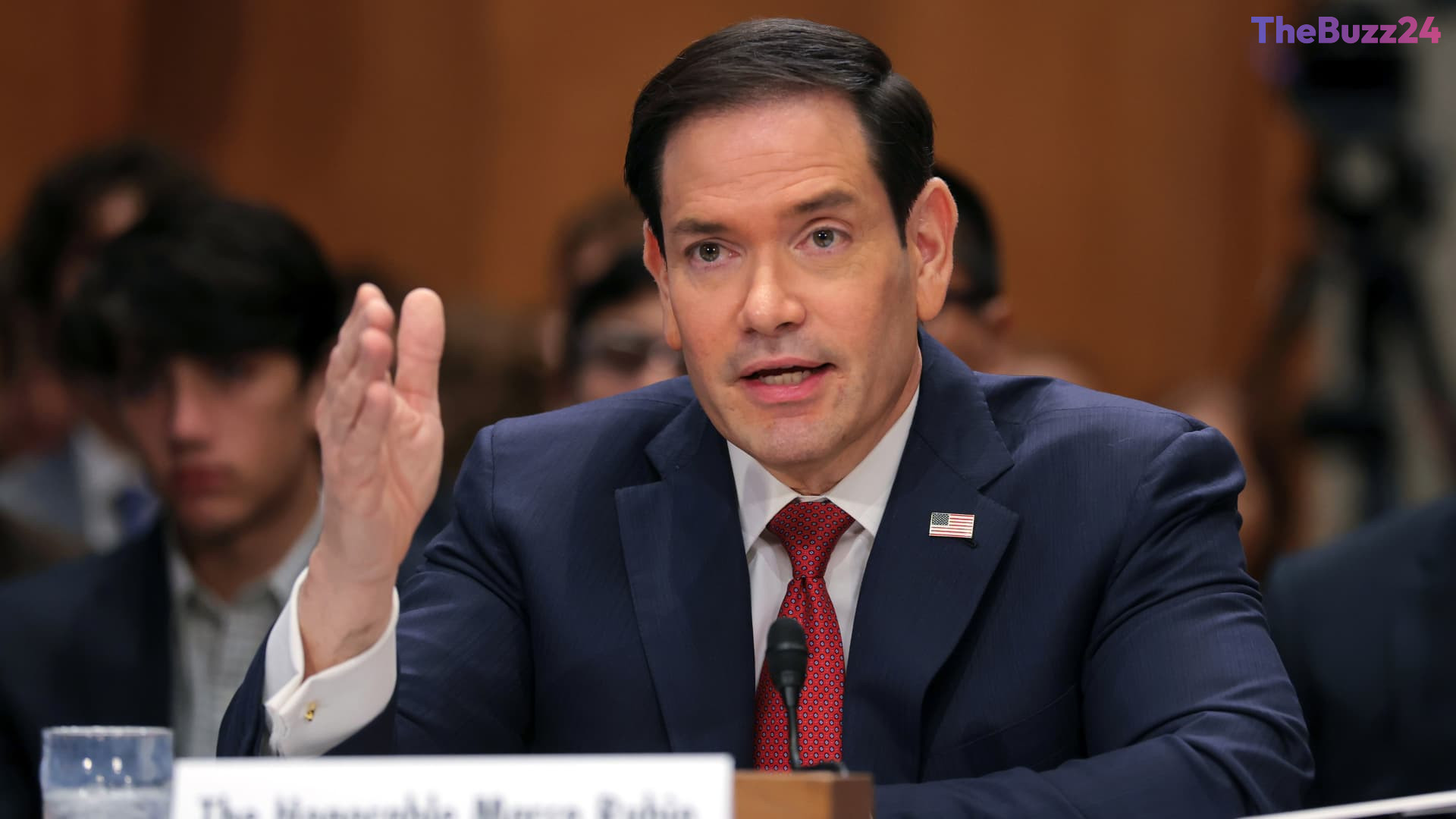
During testimony before the Senate Foreign Relations Committee, Secretary of State Marco Rubio provided further insight into the nature of these delicate negotiations. Rubio noted that while the process relies heavily on intermediaries, there is a genuine prospect that Iran may be willing to discuss aspects of its nuclear program that were previously considered off-limits. He cautioned, however, that these talks do not guarantee a final agreement acceptable to the American public or Congress, but rather serve as a necessary mechanism to test the limits of Tehran’s willingness to de-escalate.
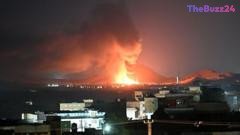
Central to the administration’s diplomatic strategy is the status of the Strait of Hormuz. Rubio stressed that any meaningful de-escalation requires Iran to guarantee the safety of commercial shipping, cease threats against vessels, and remove maritime mines. The administration continues to defend its military actions, including Operation Epic Fury, as a strategic necessity to dismantle Iran’s conventional military shield of drones and missiles, even as lawmakers express growing concern regarding the economic impact of the conflict and the scope of executive war powers.
Key Takeaways
- President Trump and Secretary Rubio confirm that diplomatic negotiations with Iran are ongoing, contradicting reports from Iranian state media.
- The administration is pursuing potential discussions regarding Iran's nuclear program, a development previously avoided by Tehran.
- Reopening the Strait of Hormuz to safe commercial shipping remains a non-negotiable requirement for the U.S. in any de-escalation process.
Editor’s Analysis & Impact
The ongoing diplomatic friction between the U.S. and Iran highlights the volatility of current Middle Eastern policy. By publicly confirming that talks are active, the administration is attempting to manage both domestic political pressure and international perception. The shift toward potentially negotiating nuclear program components suggests a strategic pivot, though the success of these efforts remains highly uncertain given the deep-seated mistrust between the two nations. The administration’s focus on the Strait of Hormuz underscores the economic stakes, as global oil markets remain sensitive to any disruption in this critical maritime corridor. Moving forward, the administration faces a dual challenge: maintaining a credible military deterrent while simultaneously navigating a complex, intermediary-dependent diplomatic path that must also satisfy a skeptical and increasingly vocal Congress.
Frequently Asked Questions
Q: Are the U.S. and Iran still talking?
A: Yes, both President Trump and Secretary of State Marco Rubio have confirmed that diplomatic communications are ongoing, despite reports from Iranian state media claiming that talks had stopped.
Q: What is the U.S. demanding regarding the Strait of Hormuz?
A: The U.S. is demanding that Iran declare the strait open, stop threatening commercial vessels, cease charging tolls, and assist in the removal of maritime mines.
AI Disclosure: This article is based on verified data and official reports. Our Team and AI have cross-referenced every financial detail with primary sources to ensure total accuracy.
More from this Category