NASA Opens Doors for Researchers to Test Robotics in Low Earth Orbit
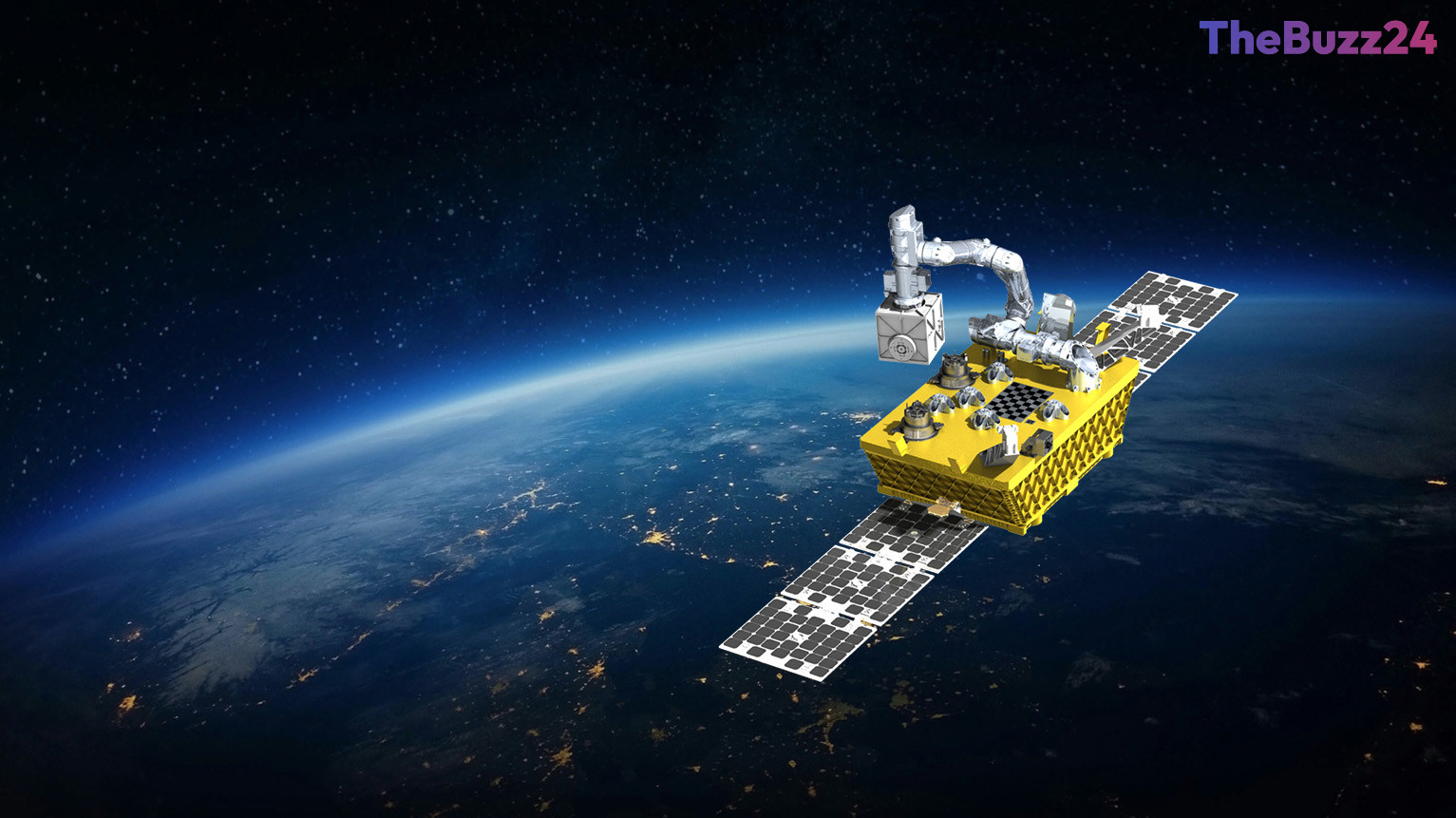
NASA has officially launched the Fly Foundational Robots (FFR) mission, an ambitious initiative designed to bring advanced robotic experimentation to low Earth orbit. At the heart of the mission is a sophisticated robotic arm featuring seven degrees of freedom, which will serve as a testbed for cutting-edge research. The space agency is inviting a select group of U.S.-based academics, including principal investigators, professors, post-doctoral researchers, and advanced graduate students, to propose experiments that leverage this unique hardware.
The selection process is structured into several rigorous phases to ensure that only the most viable and impactful projects reach orbit. Interested teams must first navigate an eligibility registration process, which is mandatory for compliance with federal competition standards. Following registration, participants will submit white papers detailing their proposed experiments. From these submissions, up to 15 teams will be selected to advance to the simulation and validation stage, which includes hands-on testing at the Goddard Space Flight Center in Maryland.
Successful teams that clear the validation hurdles will be granted the ultimate prize: dedicated on-orbit experiment time using the FFR robotic arm. This opportunity represents a significant milestone for academic researchers looking to transition their work from theoretical models to real-world space applications. Registration for the challenge is currently open and will remain available until September 23, 2026, providing a window for researchers to finalize their proposals and secure their place in this orbital mission.
Key Takeaways
- NASA is offering researchers access to a seven-degree-of-freedom robotic arm currently orbiting in low Earth orbit.
- The competition is open to U.S.-based academics, including professors and graduate students, with a deadline for registration on September 23, 2026.
- Selected teams will undergo a multi-phase process, including white paper submissions and simulation testing at the Goddard Space Flight Center, to earn flight time.
Editor’s Analysis & Impact
The FFR mission marks a pivotal shift in how NASA engages with the academic community, moving toward a more collaborative model for orbital research. By providing access to high-fidelity robotic hardware, the agency is effectively lowering the barrier to entry for space-based experimentation. This initiative is likely to accelerate advancements in autonomous systems, remote manipulation, and orbital maintenance—technologies that are critical for the future of long-term space exploration and the burgeoning commercial space economy. The focus on academic participation suggests that NASA is prioritizing the development of a new generation of space roboticists, ensuring that the next wave of orbital infrastructure is built upon a foundation of diverse, peer-reviewed research. As private and public sectors continue to converge in low Earth orbit, such challenges will become essential for testing the limits of robotic capabilities in microgravity environments.
Frequently Asked Questions
Q: Who is eligible to participate in the Fly Foundational Robots mission?
A: The challenge is open to U.S.-based principal investigators, post-doctoral researchers, professors, and highly qualified graduate students who have a compelling experiment proposal.
Q: What is the primary prize for winning the challenge?
A: Teams that successfully pass the simulation and validation phases will be awarded dedicated on-orbit experiment time using the FFR robotic arm.
AI Disclosure: This article is based on verified data and official reports. Our Team and AI have cross-referenced every financial detail with primary sources to ensure total accuracy.
More from this Category