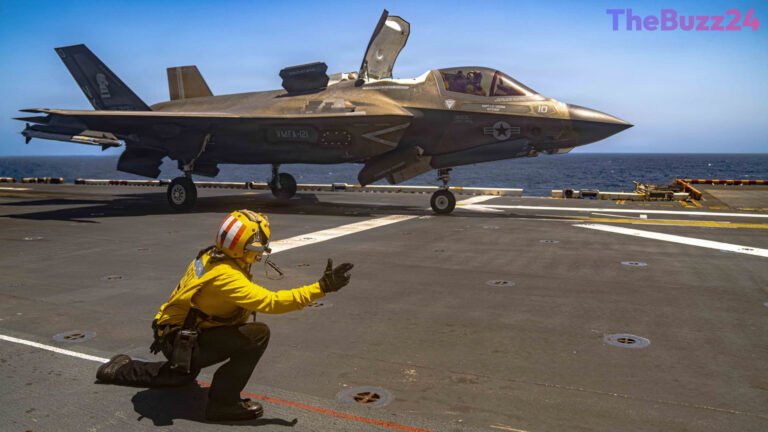
Tensions Escalate in Strait of Hormuz as US and Iran Exchange Strikes
Military tensions in the Middle East have intensified following a series of direct engagements between US forces and Iranian assets. The US military confirmed it conducted defensive strikes against a ground control station on Qeshm Island, located in the Strait of Hormuz. This action was described as a direct response to Iranian attempts to target civilian mariners and regional infrastructure using drones and ballistic missiles.
According to US Central Command, Iranian forces launched multiple missiles toward Kuwait and Bahrain, though these were either intercepted by air defense systems or failed to reach their intended targets. In a separate operation, US naval forces disabled a Botswana-flagged oil tanker, the M/T Lexie, after the vessel reportedly ignored repeated warnings while attempting to transit toward Iranian ports. This incident is part of an ongoing naval blockade enforced by the US since mid-April, which has already impacted over 100 commercial vessels.
Diplomatic efforts to secure a ceasefire remain at a standstill as both nations trade accusations. While US leadership has expressed optimism regarding a potential deal, Iranian officials have criticized the US for shifting demands and contradictory negotiating stances. Secretary of State Marco Rubio recently testified before Congress, clarifying that any potential sanctions relief for Iran remains strictly tied to the dismantling of its nuclear program, further complicating the path toward a de-escalation of the current conflict.
Key Takeaways
- US forces conducted strikes on Iranian military infrastructure on Qeshm Island following attempted attacks on regional shipping and neighboring countries.
- A naval blockade in the Strait of Hormuz has resulted in the disabling of six commercial vessels and the redirection of over 120 others.
- Ceasefire negotiations are currently stalled, with the US maintaining that sanctions relief is contingent upon Iran's nuclear program compliance.
Editor’s Analysis & Impact
The current escalation in the Strait of Hormuz represents a critical juncture in US-Iran relations, with significant implications for global energy markets and regional stability. By enforcing a naval blockade and engaging in direct military strikes, the US is attempting to exert maximum pressure to force a favorable diplomatic outcome. However, the hardening of positions—specifically regarding nuclear program concessions—suggests that a peaceful resolution remains elusive. The market impact is twofold: increased volatility in oil shipping routes and a heightened risk premium on energy commodities. If the blockade continues to disrupt commercial traffic, global supply chains may face further inflationary pressure. The future outlook remains precarious, as any miscalculation in these direct military exchanges could trigger a broader, more uncontrollable regional conflict, further distancing the possibility of a sustainable ceasefire.
Frequently Asked Questions
Q: Why is the US enforcing a naval blockade in the Strait of Hormuz?
A: The blockade is part of a strategic effort to pressure Iran by restricting its ability to export oil and limiting its military reach in the region, specifically in response to ongoing regional hostilities.
Q: What is the current status of the ceasefire negotiations?
A: Negotiations are currently stalled. The US maintains that any sanctions relief is conditional on Iran addressing its nuclear program, while Iran has accused the US of constantly changing its demands.
AI Disclosure: This article is based on verified data and official reports. Our Team and AI have cross-referenced every financial detail with primary sources to ensure total accuracy.
More from this Category