Kyiv Residents Grapple with Trauma Following Latest Wave of Russian Strikes
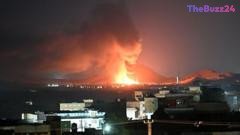
A massive wave of Russian missile and drone strikes has left a trail of destruction across Ukraine, claiming at least 22 lives and injuring scores of others. The coordinated assault targeted major population centers, including Kyiv, Dnipro, and Kharkiv, shattering the relative calm of residential neighborhoods and forcing tens of thousands of citizens into underground shelters. In Kyiv alone, over 41,000 people sought refuge in the metro system, marking a record number of residents seeking safety during an overnight bombardment.
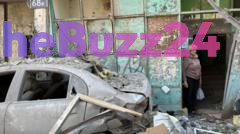
In the Vynohradar district of Kyiv, the aftermath was particularly harrowing. High-rise apartment buildings were left with blown-out windows, and streets were littered with the charred remains of civilian vehicles. While emergency responders and government psychologists worked to assist the wounded and traumatized, local residents expressed a profound sense of grief that extended far beyond the physical damage to their property. For many, the psychological toll of living under constant threat has become an inescapable reality of the ongoing conflict.
Despite the severity of the attacks, a resilient, if surreal, atmosphere persists in the capital. Just blocks away from the scenes of total devastation, municipal workers continued road repairs and public transportation remained operational. This juxtaposition of normalcy and catastrophe has become a defining characteristic of life in Ukraine, where citizens attempt to maintain their daily routines even as the threat of aerial bombardment looms over their homes and families.
Casualty reports continue to rise as rescue operations conclude in the hardest-hit areas. In Dnipro, two residential buildings were struck, resulting in 16 fatalities, while Kharkiv reported damage to critical energy infrastructure and civilian facilities. As the nation mourns the loss of life, the focus remains on the long-term emotional and physical recovery of communities that have been repeatedly targeted by military strikes.
Key Takeaways
- At least 22 people were killed and over 90 injured in a widespread series of Russian missile and drone strikes across Ukraine.
- A record 41,000 people sought shelter in the Kyiv metro system as the capital faced intense overnight bombardment.
- Despite the destruction of civilian infrastructure, Ukrainian cities are attempting to maintain daily operations and public services.
Editor’s Analysis & Impact
The latest escalation in aerial strikes against Ukrainian urban centers signals a shift toward sustained pressure on civilian morale and critical infrastructure. By targeting residential areas alongside energy facilities, the strategy appears designed to exhaust the population’s psychological resilience and strain the nation’s emergency response capabilities. Economically, the constant need for reconstruction and the disruption of daily life pose significant challenges to Ukraine’s long-term stability. Looking ahead, the international community will likely face increased pressure to bolster Ukraine’s air defense systems to protect population centers. The persistent ability of Ukrainian cities to return to ‘normal’ routines despite such trauma is a testament to social cohesion, yet the cumulative impact of these strikes will inevitably necessitate greater focus on mental health support and infrastructure hardening in the coming months.
Frequently Asked Questions
Q: How many people sought shelter in the Kyiv metro during the recent attacks?
A: More than 41,000 people, including approximately 4,500 children, took shelter in the Kyiv metro system overnight.
Q: Which cities were most affected by the recent wave of strikes?
A: The strikes caused significant casualties and damage in Kyiv, Dnipro, and Kharkiv, with other regions across Ukraine also being targeted.
AI Disclosure: This article is based on verified data and official reports. Our Team and AI have cross-referenced every financial detail with primary sources to ensure total accuracy.
More from this Category