Crude Prices Surge as U.S. and Iran Exchange Strikes Amid Diplomatic Uncertainty
Global energy markets saw a notable uptick on Wednesday as crude oil prices climbed in response to escalating military activity between the United States and Iran. West Texas Intermediate (WTI) futures for July delivery rose by more than 1.3% to reach $94.99, while Brent crude, the international benchmark, advanced 1.1% to settle at $97.07 per barrel. This price movement reflects growing investor anxiety over the stability of Middle Eastern supply chains following a series of direct military engagements.
U.S. Central Command confirmed that it successfully intercepted several Iranian ballistic missiles and drones on Tuesday. In response to what were described as attempted attacks, American forces conducted defensive strikes against Iranian targets. Despite this military escalation, President Donald Trump and Secretary of State Marco Rubio maintained that diplomatic channels remain open. Rubio suggested that negotiations could potentially expand to cover aspects of Iran’s nuclear program, though these claims of ongoing dialogue have been met with skepticism from various regional reports suggesting a breakdown in communication.
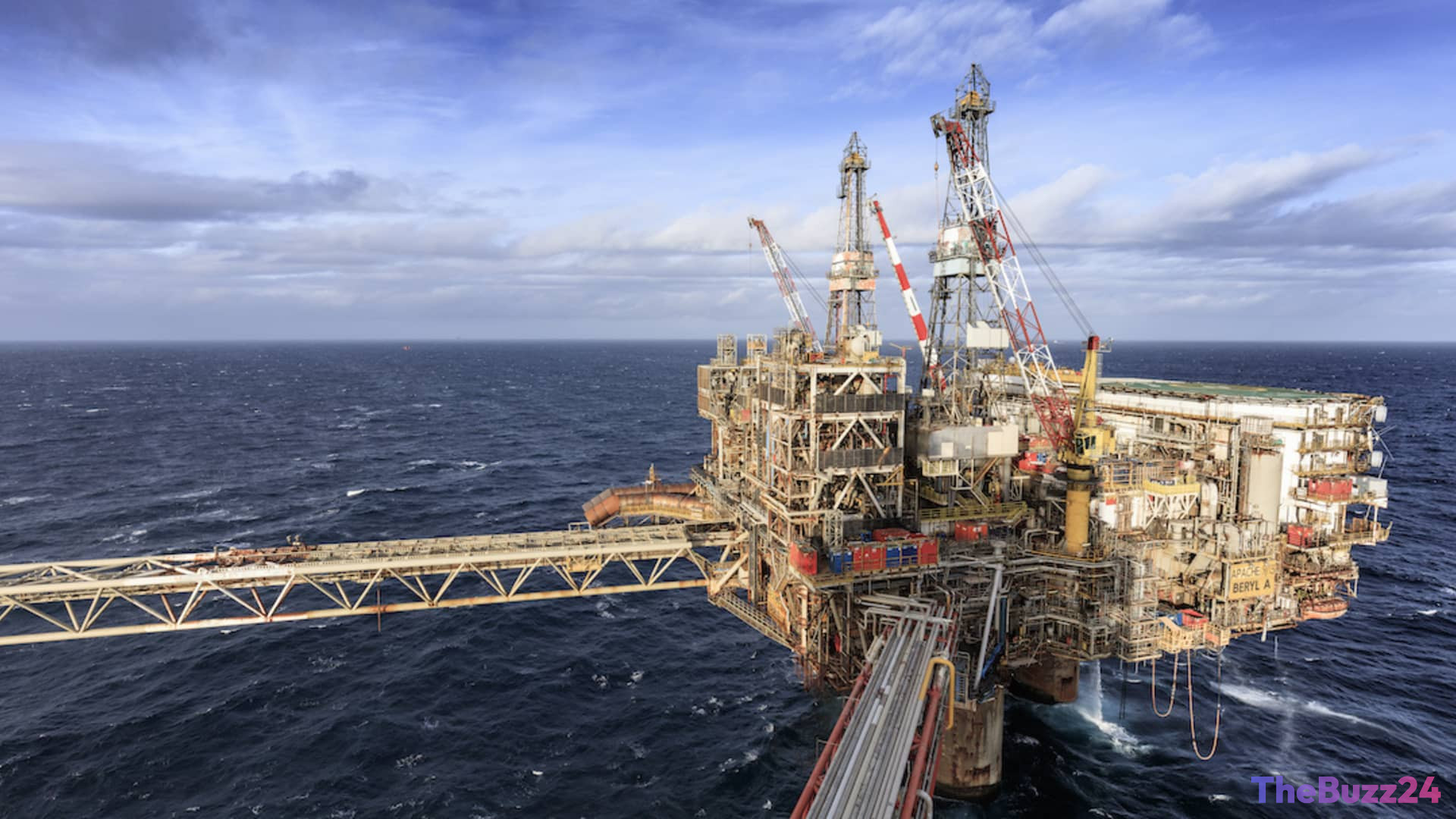
The situation is further complicated by conflicting narratives regarding the status of the conflict. While Washington signals a willingness to talk, some regional reports indicate that negotiators may cease indirect communications and have even threatened to block the Strait of Hormuz, a vital maritime corridor for global oil shipments. Meanwhile, industry analysts have highlighted the severe toll the conflict has already taken on the region’s energy sector. Nations such as Qatar, Bahrain, and Iraq have faced significant infrastructure damage, leading to collapsed exports and shuttered production fields that may take years to fully recover.
Key Takeaways
- Oil prices rose over 1% following military exchanges between U.S. forces and Iran.
- Conflicting reports exist regarding the status of diplomatic negotiations, with the U.S. claiming talks are active while regional sources suggest a freeze.
- Significant damage to oil infrastructure in Qatar, Bahrain, and Iraq is expected to delay production recovery for years.
Editor’s Analysis & Impact
The current surge in oil prices underscores the market’s extreme sensitivity to geopolitical instability in the Persian Gulf. While a ‘risk premium’ is currently driving prices, the conflicting narratives regarding diplomacy create a high-volatility environment for traders. If the threat to close the Strait of Hormuz transitions from rhetoric to reality, we could see crude prices break into triple digits, as roughly a fifth of the world’s oil consumption passes through that narrow waterway. Furthermore, the reported damage to infrastructure in Iraq and Qatar suggests a medium-term supply constraint that won’t be easily resolved by a simple peace treaty. Investors should prepare for sustained price pressure as the physical capacity to export remains compromised by the ongoing strikes and infrastructure degradation.
Frequently Asked Questions
Q: Why are oil prices currently rising?
A: Prices are climbing due to increased military tensions in the Middle East, specifically following missile exchanges between the U.S. and Iran, which raise fears of supply disruptions.
Q: What is the significance of the Strait of Hormuz?
A: The Strait of Hormuz is a critical global shipping lane; any closure would block a significant portion of the world's oil supply, leading to potential global energy shortages.
Q: Which countries' oil sectors have been most affected by the conflict?
A: According to industry analysis, Qatar, Bahrain, and Iraq have faced the heaviest exposure, suffering billions of dollars in damage to their energy infrastructure.
AI Disclosure: This article is based on verified data and official reports. Our Team and AI have cross-referenced every financial detail with primary sources to ensure total accuracy.
More from this Category