Eli Lilly Shifts Strategy: Leveraging GLP-1 Success to Fuel Aggressive Expansion
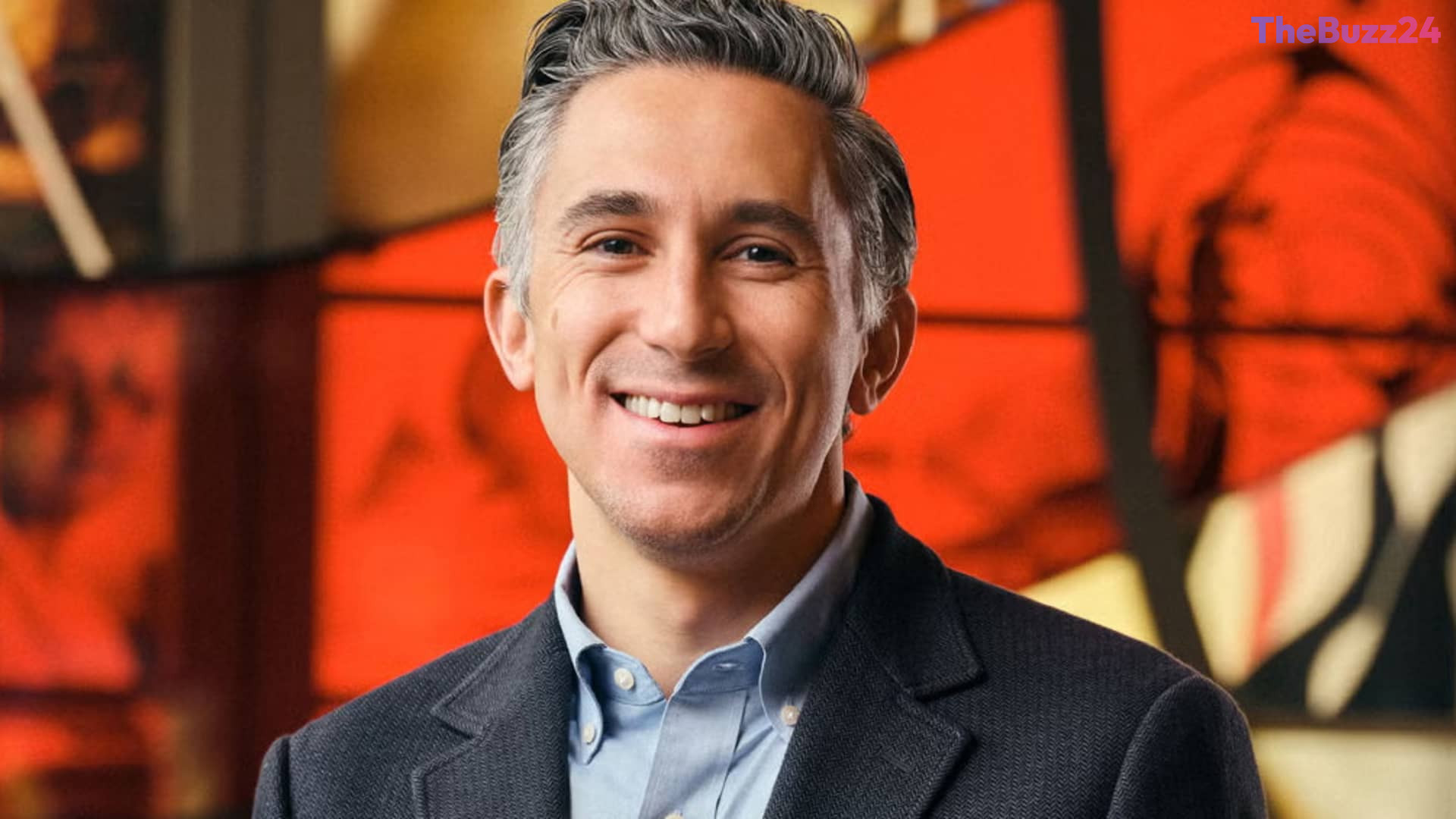
Eli Lilly is entering a new era of corporate expansion, utilizing the massive financial windfall from its blockbuster GLP-1 weight-loss medications, Mounjaro and Zepbound, to aggressively pursue a broader range of acquisitions. Jacob Van Naarden, who now leads both the company’s oncology division and its corporate development efforts, indicated that the pharmaceutical giant is no longer content with its traditional focus on early-stage, high-risk assets. Instead, the company is deploying its capital to secure more mature, promising experimental drugs that offer a clearer path to clinical success.
The scale of this shift is evident in the company’s recent spending. Less than halfway through the year, Eli Lilly has already committed over $10 billion in upfront payments for acquisitions, significantly outpacing its total dealmaking expenditure from the previous year. This surge in activity has propelled the company into the trillion-dollar market capitalization club, a milestone rarely achieved by firms outside the technology sector. By moving beyond its historical comfort zones, the company aims to solidify its market dominance for decades to come.
Under the direction of CEO Dave Ricks, the company is widening its aperture to explore opportunities that fall outside its traditional pillars of oncology, neuroscience, cardiometabolic health, and immunology. Recent moves, such as the acquisition of vaccine-focused companies and a partnership with Ascidian Therapeutics for kidney disease research, signal a willingness to enter entirely new therapeutic areas. Van Naarden emphasized that the company is not setting arbitrary limits on deal sizes, focusing instead on the scientific potential and the ability to deliver meaningful impact to patients across a diverse spectrum of medical needs.
As Eli Lilly continues to evaluate potential targets, the message from leadership is clear: no area of medicine is strictly off the table. By prioritizing high-conviction science over rigid historical boundaries, the company is positioning itself to remain at the forefront of pharmaceutical innovation, leveraging its current financial strength to build a diversified and robust pipeline for the future.
Key Takeaways
- Eli Lilly is using profits from its GLP-1 drugs to fund a significantly more aggressive and diverse acquisition strategy.
- The company has already surpassed its total annual deal spending from last year, focusing on more mature, lower-risk experimental assets.
- Leadership is expanding the company's scope beyond its traditional four therapeutic pillars, signaling potential entries into new medical fields like vaccines and beyond.
Editor’s Analysis & Impact
Eli Lilly’s pivot represents a classic ‘flywheel’ effect in the pharmaceutical industry, where a singular, massive commercial success provides the liquidity to transform a company’s entire R&D footprint. By transitioning from a venture-style model of high-risk, early-stage bets to acquiring more validated, late-stage assets, Lilly is effectively de-risking its long-term growth. This strategy not only protects its trillion-dollar valuation but also creates a formidable barrier to entry for competitors. The broader implication is a shift in the M&A landscape, where cash-rich incumbents are increasingly willing to pay premiums for ‘de-risked’ science. As Lilly continues to diversify into new therapeutic areas, it is likely to exert significant pressure on other large-cap pharma firms to either consolidate or risk losing their competitive edge in the race for next-generation medical breakthroughs.
Frequently Asked Questions
Q: Why is Eli Lilly changing its acquisition strategy?
A: The company is leveraging the massive financial success of its GLP-1 drugs, Mounjaro and Zepbound, to move away from high-risk, early-stage investments toward more mature, promising experimental drugs that have a higher probability of success.
Q: Is Eli Lilly limiting its acquisitions to its current specialties?
A: No. While the company remains active in its core areas of oncology, neuroscience, cardiometabolic health, and immunology, leadership has stated that they are looking at opportunities outside these buckets and are open to exploring any medical field where they believe they can make a significant impact.
AI Disclosure: This article is based on verified data and official reports. Our Team and AI have cross-referenced every financial detail with primary sources to ensure total accuracy.
More from this Category