Sam Altman-Backed Helion Secures $465M to Power Microsoft with Fusion Energy by 2028
Fusion energy pioneer Helion has successfully secured $465 million in its latest Series G funding round, propelling the company’s valuation to an impressive $15.5 billion. This massive capital injection is earmarked for the construction of Orion, Helion’s inaugural fusion power plant. The startup is working under an ambitious timeline to deliver commercial fusion power to the grid as early as 2028, fulfilling a landmark power purchase agreement with tech giant Microsoft.
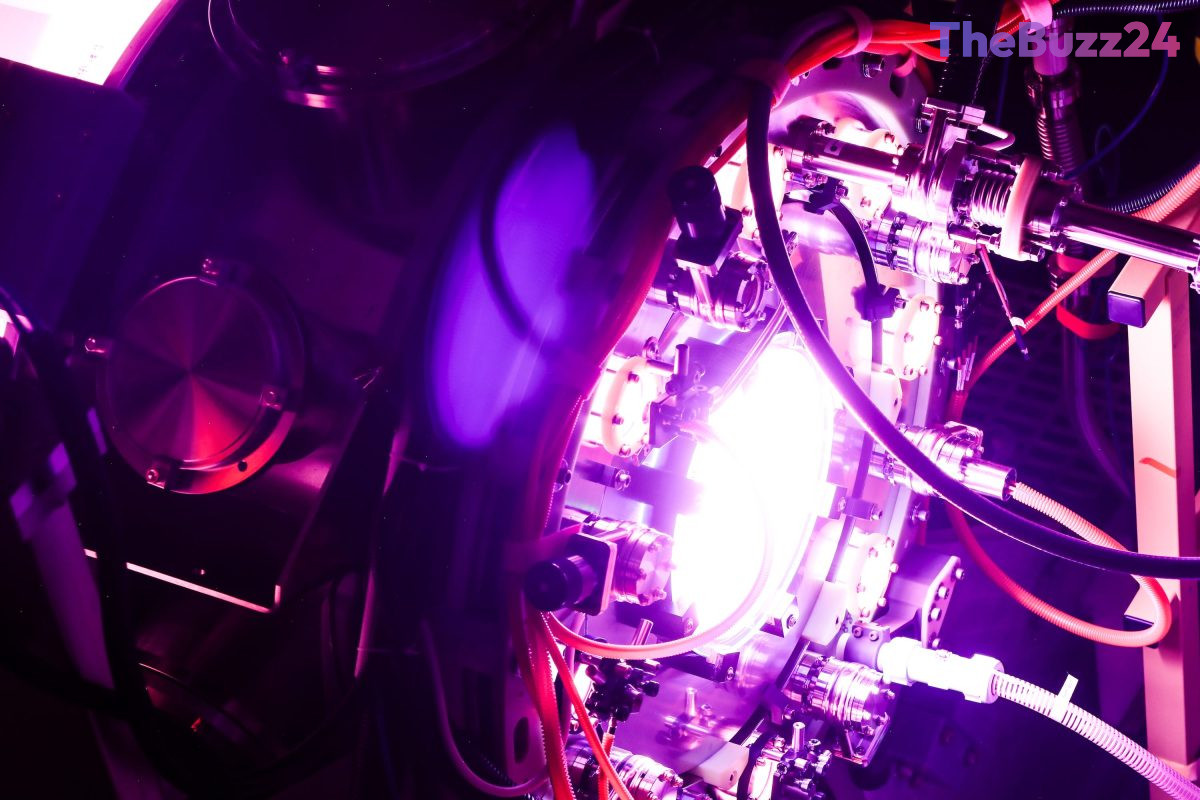
Led by Thrive Capital, the funding round attracted a diverse group of new and returning investors, including Alta Park Capital, Lux Capital, SoftBank Vision Fund 2, and Dustin Moskovitz’s Good Ventures Foundation. This latest round brings Helion’s total funding to $1.5 billion. Unlike traditional fusion concepts that rely on steam turbines to convert heat into electricity, Helion’s proprietary technology utilizes magnetic fields to compress fuel and directly capture electricity from the resulting plasma expansion. This direct-energy conversion method promises significantly higher efficiency, though it has drawn some skepticism from industry experts due to a lack of peer-reviewed publications.
Helion’s massive raise comes amid a broader surge of venture capital flowing into the nuclear fusion sector. Competitors like Focused Energy, Inertia Energy, and Type One Energy have also secured hundreds of millions of dollars recently. While most industry players do not expect commercial-scale operations until the mid-2030s, the promise of virtually limitless, clean, and always-on energy continues to attract massive investments, particularly from tech companies seeking to power energy-intensive artificial intelligence infrastructure.
Key Takeaways
- Helion raised $465 million in Series G funding, valuing the fusion startup at $15.5 billion and bringing its total funding to $1.5 billion.
- The capital will fund 'Orion,' a fusion power plant aimed at delivering electricity to the grid by 2028 under a contract with Microsoft.
- Helion's unique technology captures electricity directly from magnetic fields rather than using steam turbines, aiming for unprecedented efficiency.
Editor’s Analysis & Impact
The massive influx of capital into Helion and the broader fusion sector highlights a critical intersection between the future of clean energy and the exponential growth of artificial intelligence. As tech giants like Microsoft rapidly expand their AI data centers, their demand for reliable, 24/7 clean energy has skyrocketed. Helion’s aggressive 2028 timeline is highly ambitious compared to the rest of the industry, which generally targets the mid-2030s. If Helion succeeds in its direct-energy magnetic capture approach, it could fundamentally disrupt the global energy landscape, driving down electricity costs to near zero. However, the company’s preference for rapid engineering over peer-reviewed academic validation remains a high-risk, high-reward gamble that investors seem increasingly willing to back.
Frequently Asked Questions
Q: How does Helion's fusion technology differ from other startups?
A: While most fusion startups plan to use steam turbines to convert heat into electricity, Helion uses magnetic fields to compress fuel and directly harvests electricity from the expanding plasma, bypassing the need for steam conversion.
Q: When does Helion plan to deliver electricity to the grid?
A: Helion has set an ambitious target to deploy fusion power to the grid as early as 2028, driven by its power purchase agreement with Microsoft.
Q: Who are the major investors in Helion's latest funding round?
A: The $465 million Series G round was led by Thrive Capital, with participation from Lux Capital, SoftBank Vision Fund 2, Alta Park Capital, and existing backers like Sam Altman.
AI Disclosure: This article is based on verified data and official reports. Our Team and AI have cross-referenced every financial detail with primary sources to ensure total accuracy.
More from this Category