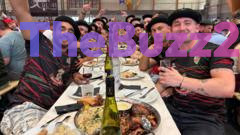
Giant French Feasts Spark Political Firestorm Amid Accusations of Right-Wing Agendas
Massive communal dining events, known as ‘banquets géants,’ are rapidly gaining popularity across provincial France, but have ignited a fierce political debate. These large-scale banquets, organized by the company Le Canon Français, offer attendees a multi-course meal of local cuisine, unlimited wine, and hours of communal singing for a set price. While drawing large crowds eager for traditional fare and camaraderie, the events have drawn sharp criticism from the radical left party La France Insoumise (LFI).
LFI has voiced serious concerns, alleging evidence of racist chants and insults directed at immigrant staff during these gatherings. The party further contends that the frequent inclusion of pork on the menu is a deliberate attempt to exclude Muslim and vegetarian attendees. Adding to their apprehension is the financial backing from ultra-conservative entrepreneur Pierre-Edouard Stérin, a billionaire known for promoting right-wing ideologies such as stricter immigration controls, anti-abortion stances, and the preservation of France’s Christian heritage. LFI representatives argue that Stérin’s investment signals a hidden agenda to advance the far-right’s political objectives.
Organizers of the banquets, however, strongly refute these accusations. They describe the events as a revival of historical French traditions of large-scale communal dining, emphasizing the goal of fostering social connection in an increasingly isolated world. Le Canon Français founders state that their intention is purely to bring people together over good food and wine, and they deny any political motivation. While acknowledging that some attendees may hold right-leaning views, they maintain that the banquets are open to all and that strict codes of conduct are enforced to ensure respectful behavior. The controversy has intensified as LFI attempts to halt future events, with some local authorities already investigating allegations of provocation.
Key Takeaways
- Large communal banquets in France are facing political backlash from the radical left, citing concerns over racism and exclusionary practices.
- The events are funded in part by a prominent conservative entrepreneur, leading to accusations of a hidden far-right agenda.
- Organizers defend the banquets as a revival of French tradition aimed at social connection, denying political motivations and enforcing codes of conduct.
Editor’s Analysis & Impact
The ‘banquets géants’ controversy highlights a growing cultural and political divide within France. While organizers frame these events as a harmless revival of tradition and community spirit, critics see them as a platform for exclusionary practices and the promotion of far-right ideologies, particularly given the involvement of conservative financiers. This clash underscores broader societal tensions surrounding national identity, immigration, and secularism. The success of such events, even amidst controversy, suggests a segment of the population is receptive to traditionalist appeals, potentially influencing future political discourse and electoral outcomes, especially in rural areas.
Frequently Asked Questions
Q: What are the 'banquets géants'?
A: Banquets géants are large, communal dining events organized in France, offering attendees a multi-course meal, unlimited wine, and entertainment, often featuring sing-alongs. They are presented by organizers as a revival of traditional French communal feasts.
Q: What are the main criticisms leveled against these banquets?
A: The primary criticisms come from the radical left party La France Insoumise (LFI), which alleges racist chanting, insults towards immigrant staff, and the use of pork on menus to exclude Muslims and vegetarians. They also point to the financial backing from a conservative entrepreneur as evidence of a far-right agenda.
Q: How do the organizers respond to the accusations?
A: Organizers deny any political agenda, stating their goal is to foster social connection and revive French traditions. They assert that codes of conduct are in place to ensure respect, that pork is not the exclusive offering, and that they cannot control the private thoughts of every attendee.
AI Disclosure: This article is based on verified data and official reports. Our Team and AI have cross-referenced every financial detail with primary sources to ensure total accuracy.
More from this Category